New BTO floors often come with a hidden quirk — level variations of 3–5mm that can throw off the alignment of a sleek Scandinavian sideboard. These slight dips and rises aren’t immediately noticeable until you’re trying to place furniture flush against the wall, only to find gaps or wobbles. In older resale flats, particularly those built in the 1990s, sagging near walls is common, a result of decades of settling and wear. These imperfections can make even the most minimalist design feel uneven.
Condo flooring, on the other hand, tends to be smoother, but quality varies widely depending on the developer. Some luxury condos boast near-perfect screeding, while others cut corners, leaving floors with subtle undulations. Talking to previous owners or tenants can give a clearer picture of what to expect — it’s not uncommon to hear stories of rushed renovations or patchy finishes. For Scandinavian furniture lovers, this variability means extra attention to detail when measuring and levelling pieces like sideboards and buffets.
The choice between BTO and condo flooring often comes down to trade-offs. BTOs offer a blank slate but require patience to address construction quirks. Condos may feel more polished, but you’ll need to vet the developer’s track record. Either way, investing in a spirit level and adjustable furniture feet can save headaches down the line. It’s these small, practical adjustments that keep the Nordic aesthetic intact — clean lines, balanced proportions, and a sense of calm, even on uneven ground.
A spirit level bought from the neighbourhood hardware store — the 1.5m aluminium kind — is the quickest way to check floor paths before installing a sideboard. Lay it flat; gaps under the bubble tube mean unevenness. For tile floors, the marble test works just as well: drop a marble and watch its roll. It’s low-tech, but surprisingly accurate in most HDB flats and condos.
Laser levels, though pricier, show slopes that spirit levels might miss. They’re particularly useful for longer stretches — say, across a living room wall — where even slight dips can throw off sideboard alignment. Acceptable slope is under 2mm per meter; anything more risks wobbles, especially with lighter Scandinavian-style pieces made from ash or beech.
Some homeowners swear by digital inclinometers, which measure angles to a fraction of a degree. They’re precise, but overkill for most installations. Unless you’re working with a contractor on a full renovation, a spirit level and laser combo usually does the job. Just make sure to check multiple points along the floor — centre, edges, and corners — since unevenness often clusters in specific areas.
One quirk of Singapore’s newer BTOs: floors aren’t always as level as they look. Concrete settling, especially in flats near Tanah Merah or Bedok, can create subtle dips. It’s worth checking even in units that seem flawless at first glance. A sideboard that rocks on its legs isn’t just annoying; it’s a daily reminder of skipped prep work.
Solid wood reacts predictably to Singapore's humidity—it expands sideways by 8–12% in 80% humidity. Most homeowners don’t account for this until their sideboards start pushing against walls. Leaving a 5mm clearance gap is crucial; otherwise, you’ll see warping or cracking within months. Scandinavian designs, often using light woods like oak or ash, are particularly vulnerable. That clean, minimal look won’t last if the wood doesn’t have room to breathe.
Engineered wood fares better in Singapore’s climate, especially in HDB corridors with afternoon sun exposure. These materials are designed to resist warping, making them a practical choice for humid environments. They mimic the Scandinavian aesthetic well, offering light tones and clean lines without the maintenance headaches. For homeowners in newer BTO flats, engineered wood sideboards are often the smarter investment.
Dehumidifiers and air-conditioning units aren’t just for comfort—they’re essential for protecting Scandinavian furniture. In many homes, humidity levels spike during monsoon seasons, putting solid wood at risk. Keeping indoor humidity around 50–60% can prevent warping and maintain the integrity of your sideboard. It’s a small investment that saves you from costly repairs or replacements down the line.
That 5mm gap between your sideboard and the wall isn’t just a suggestion—it’s a necessity. Without it, the wood expands and contracts, leading to visible damage over time. Scandinavian designs emphasise clean lines, and warped furniture ruins that aesthetic. Measure carefully during installation; even a slight miscalculation can lead to problems in Singapore’s humid climate.
While solid wood is a hallmark of Scandinavian design, it’s not always the best fit for Singapore. Alternatives like laminated particleboard or MDF offer similar aesthetics with better humidity resistance. These materials are often cheaper, too, making them a practical choice for budget-conscious homeowners. If you’re set on solid wood, stick to treated options designed for tropical climates.
Use a spirit level or laser level to measure the floor slope across the area where the sideboard will be placed. Ensure the surface is free from debris or uneven patches that could affect stability. A slight slope may require shims for proper alignment.
Inspect the flooring for gaps, warping, or inconsistencies that could compromise the sideboard's stability. Smooth surfaces ensure even weight distribution and prevent wobbling during use.
Place a heavy object on the sideboard's intended location to simulate its weight. Observe if the floor shifts or sinks, indicating potential instability that needs addressing before installation.
Examine the subfloor for signs of damage or weakness, such as soft spots or cracks. A solid subfloor provides a stable foundation, ensuring the sideboard remains secure and level over time.
Sideboards are often the first piece buyers notice in Scandinavian-inspired living rooms — sleek, functional, and deceptively simple. Yet, in many HDB flats, uneven floors can turn that clean aesthetic into a wobbly headache. One showroom in Joo Seng tackles this head-on, displaying sideboards on simulated uneven surfaces tilted at a 3° slope. Staff demonstrate how adjustable feet can stabilise drawers, even when the floor isn’t perfectly level. It’s a practical touch that resonates with buyers navigating the quirks of older flats.
For design-conscious homeowners, this hands-on approach bridges the gap between aspiration and reality. A sideboard might look perfect in a Pinterest-worthy setup, but it’s the details — like drawer alignment and stability — that make it work in a 12 sqm HDB living room. The showroom’s focus on real-world testing underscores a broader truth: good design isn’t just about aesthetics; it’s about solving everyday problems.
The setup isn’t just about functionality — it’s a lesson in adaptability. Scandinavian designs often prioritise clean lines and light wood tones, but Singapore’s housing realities demand more. Adjustable feet, often overlooked in showrooms, become a necessity when dealing with HDB flooring inconsistencies. Here, they’re showcased as an integral part of the design, not an afterthought. Buyers can test drawer operation themselves, ensuring smooth glides even on uneven surfaces.
Staff also highlight how adjustable feet can compensate for minor floor shifts over time — a common issue in older flats. It’s a small feature, but one that can save hours of frustration during installation. For buyers investing in Scandinavian living room furniture, this attention to detail ensures their pieces aren’t just beautiful, but built to last in Singapore’s unique housing landscape.
Contractors often shim only the front legs of sideboards — a quick fix that leaves the back unsupported. In a 12 sqm HDB living room, this creates wobble every time someone walks past, especially on uneven tiles common in older estates. Demand full perimeter levelling; it’s the difference between a sideboard that lasts five years and one that needs replacing in 18 months.
Particle board bases crack under the weight of dinnerware or books if not perfectly levelled. They’re cheaper upfront, sure, but solid wood frames — oak or ash, preferably — handle the humidity of Singapore’s monsoon seasons better. That slight bow in the middle after six months? It’s not just annoying; it’s a sign the base wasn’t designed for daily use.
Some installers skip checking floor levelness altogether, assuming newer BTO flats are perfectly flat. They aren’t. Even in Tampines or Bedok condos, slight slopes are common — enough to make doors stick or drawers jam. Insist on a spirit level check before installation; it’s a five-minute job that saves hours of frustration later.
Cheap levelling feet — plastic ones, usually — wear out faster than you’d think. In many homes, they crack under the weight of a fully loaded sideboard, leaving it tilted like a sinking ship. Metal adjusters cost more upfront but stay stable even when you rearrange the room for Chinese New Year.
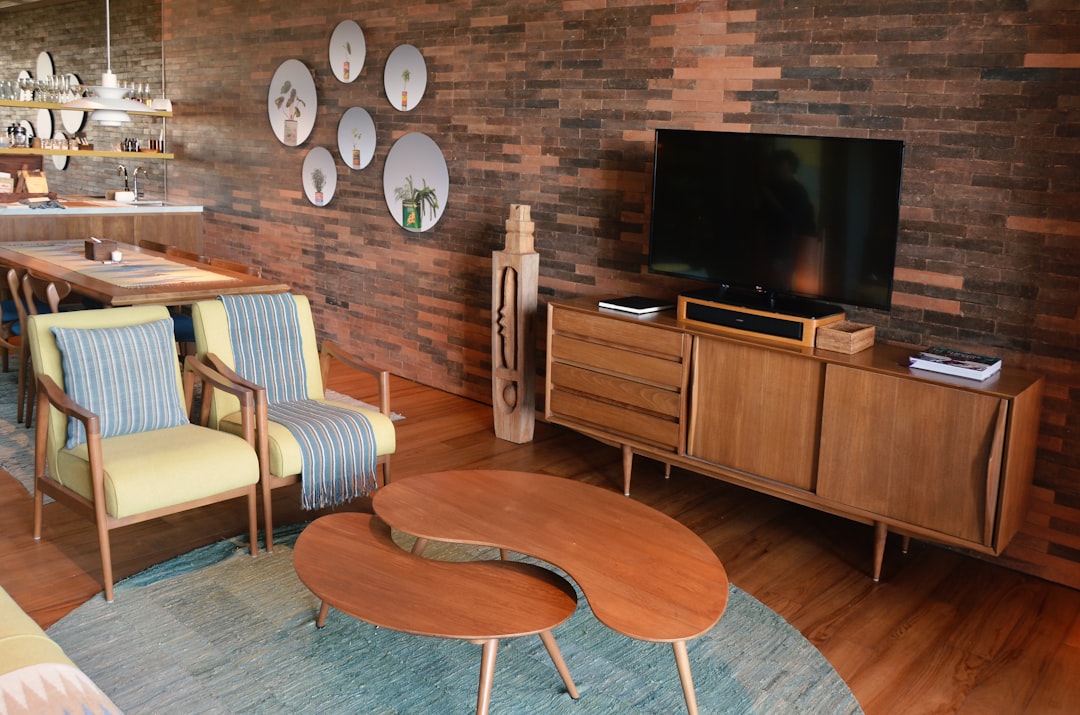
Most homeowners installing Scandinavian sideboards in HDB flats or condos don’t realise how uneven their floors can be — until the wobble starts. Temporary shims under furniture legs are HDB-approved for quick fixes, but permanent solutions like floor grinding require owner consent. This isn’t just bureaucracy; it’s about avoiding disputes over structural integrity.
For condo dwellers, the rules tighten. Self-leveling compounds, often used to smooth uneven floors, can void warranties on engineered wood or laminate flooring — a common choice for Scandinavian aesthetics. Check your strata’s bylaws before proceeding; some management committees require written approval even for minor modifications. Ignoring this can lead to fines or forced restoration at your expense.
In many homes, the issue isn’t just about aesthetics but practicality. A wobbling sideboard isn’t just an eyesore — it’s a hazard. Scandinavian furniture, with its clean lines and light wood tones, relies on stability to maintain its minimalist charm. A shaky piece disrupts the entire room’s harmony, turning your hygge haven into a frustration zone.
If you’re renting, tread carefully. Landlords often reject floor modifications outright, fearing devaluation or damage. Shims are your safest bet here, though they’re not foolproof — heavy use can still leave marks on polished concrete or vinyl flooring. Always document the original condition before making any changes; it’s your best defence against disputes when moving out.
For those in BTO flats, the challenge is different. New builds often settle unevenly, leaving floors with subtle slopes. While HDB allows minor adjustments, extensive levelling work might require a permit — and patience. The process can take weeks, delaying your Scandinavian dream setup.
Delivery day for Scandinavian sideboards can turn into a logistical puzzle — especially in HDB flats where every centimetre counts. Measure your door clearance twice, factoring in the packaging. Some Scandinavian designs, like those from IKEA or Castlery, add up to 8cm width during transit due to protective foam padding. If your BTO corridor is narrow, that extra bulk could mean a tight squeeze or, worse, a no-go.
Don’t assume the assembly team will bring the right tools. Confirm they’re equipped with laser levels, not just eyeballing it. A sideboard installed even slightly off-level can wobble or warp over time, especially on uneven HDB floors. It’s a common oversight, but one that’s easily avoided with a quick check before they start.
Scandinavian designs often prioritise clean lines and minimalism, but that doesn’t mean they’re forgiving of installation errors. A misaligned drawer or uneven surface can ruin the aesthetic. If you’re pairing the sideboard with other Scandinavian pieces, like a light oak coffee table or a muted blue sofa, precision matters even more — the whole look hinges on balance.
Finally, inspect the piece for transit damage before signing off. Scratches on light wood tones, like ash or beech, are harder to disguise than darker finishes. If you spot an issue, flag it immediately. Most retailers, including HipVan and FortyTwo, offer a grace period for reporting damage, but it’s better to catch it early.