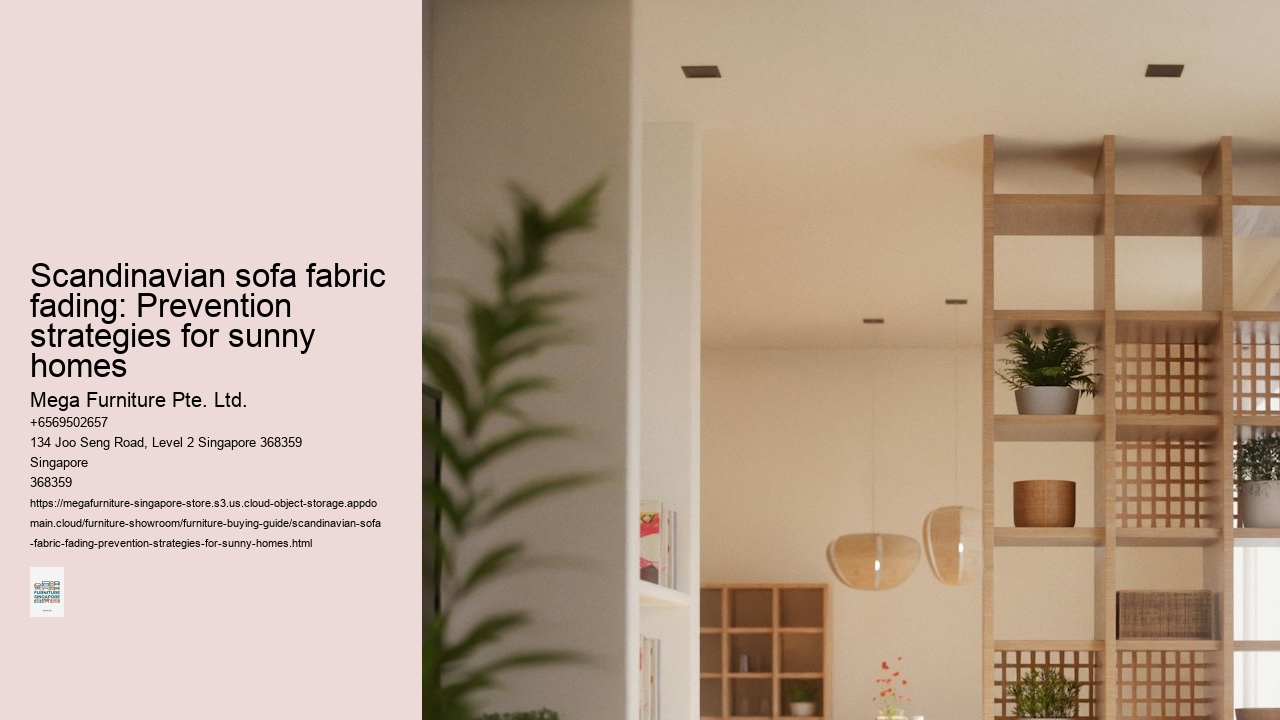
Singapore’s humidity doesn’t just frizz hair — it wreaks havoc on Scandinavian sofa fabrics. In many HDB flats, that light linen upholstery starts to feel damp within weeks, and untreated cotton develops a faint musty smell by the third monsoon season. It’s a common sight in Eunos or Bedok neighbourhoods: once-crisp sofa cushions sagging under the weight of moisture, their muted Nordic hues dulled by mildew.
Treated cotton is a practical solution, though it’s often overlooked in favour of trendier materials. Fabrics like performance linen blends, treated with moisture-resistant finishes, hold up better in 80% humidity — they’re less prone to warping or discolouration. Castlery and FortyTwo offer options in these blends, typically priced between $1,200 and $2,400 for a two-seater. The trade-off? These fabrics feel slightly denser than untreated linen, but they’re a small compromise for durability.
Linen-cotton blends strike a balance between breathability and resilience. They’re less likely to trap moisture, making them a solid choice for HDB living rooms where air circulation can be hit-or-miss. IKEA’s Ektorp series, for example, uses a blend that’s designed to withstand humidity — though it’s worth noting that lighter shades still show wear faster in Singapore’s climate.
One tip: avoid pure linen if you’re not prepared to baby your sofa. It’s beautiful but high-maintenance, requiring regular airing and occasional professional cleaning to prevent mildew. In a country where the humidity rarely dips below 75%, opting for treated or blended fabrics isn’t just practical — it’s essential for keeping your Scandinavian aesthetic intact.
In Singapore’s sun-drenched homes, even the most carefully chosen Scandinavian sofa can lose its charm in a matter of months. The harsh UV rays streaming through east-facing windows — common in BTO master bedrooms — bleach fabrics and fade wood tones, turning that muted sage green upholstery into a washed-out grey. It’s a problem many homeowners don’t notice until it’s too late.
Blackout curtains are a straightforward solution, especially for bedrooms where light control is essential. Look for options with thermal lining — they’re heavier, but they block both heat and UV rays effectively. For those who prefer natural light, UV-blocking window films are a subtler alternative. Brands like 3M offer films that cut up to 99% of UV rays while still letting light through, though installation can be tricky in older HDB flats with textured glass.
When it comes to fabrics, performance materials are worth the investment. Performance velvet, for instance, resists fading better than traditional cotton or linen — a practical choice for Scandinavian-style sofas in sunny living rooms. Neutral tones like soft greys and whites hide fading better than bold colours, though they’re still vulnerable to prolonged exposure. Some homeowners swear by rotating cushions seasonally to distribute wear evenly, though that’s more maintenance than most are willing to commit to.
It’s worth noting that even the best UV protection won’t completely eliminate fading — it just slows it down. In Singapore’s climate, that’s often the best you can hope for.
Optimal Scandinavian sofa depth for 12 sqm HDB living rooms hovers around 85cm—any deeper and traffic flow suffers. Armrests should stay under 15cm thick to preserve walkway space beside TV consoles. Look for models with tapered legs (7–10cm clearance) to create illusion of floor space. Standard 210cm lengths fit flush against most BTO feature walls without blocking switches. Modular units under 70cm per segment allow reconfiguration when guests visit.
Sun-faded upholstery plagues east-facing condos—performance velvet in slate grey resists UV better than linen blends. Removable cushion covers matter more in humid climates; look for OEKO-TEX certified zippered versions. Pet owners should skip bouclé despite its Pinterest appeal; tight-weave polyester survives claw tests. Darker hues disguise coffee stains but show lint, while mid-tone greiges strike the best balance. IKEA's Soderhamn series uses surprisingly durable recycled polyester.
L-shaped corner units waste space in narrow HDB layouts—straight sofas with movable chaises work smarter. Some Megafurniture models allow converting armrests into side tables when floor space gets tight. Look for back cushions that flip into bolsters for daytime seating adjustments. The best modular systems use tool-free connectors that won't scratch vinyl flooring. Avoid over-customization; most homeowners stick with one configuration after the novelty wears off.
Lift-up seats swallow bulky items like yoga mats but reduce seat comfort over time. Slim pull-out drawers underneath work better for board games and spare chargers. Some Scandinavian designs incorporate discreet shelving within armrests for magazines and TV remotes. Beware of deep storage compartments—they become black holes for expired vouchers and single socks. FortyTwo's Oslo series hides storage behind flush panels that maintain clean lines.
Brushed steel legs reflect too much light in compact spaces—oak or walnut finishes soften the effect. Tapered legs create visual lightness but lack stability for reclining users. Mid-century hairpin legs collect dust bunnies in hard-to-reach corners. Consider height-adjustable options (5cm range) to accommodate future robot vacuum models. The sweet spot for leg thickness is 4–5cm—anything chunkier dominates small rooms visually.
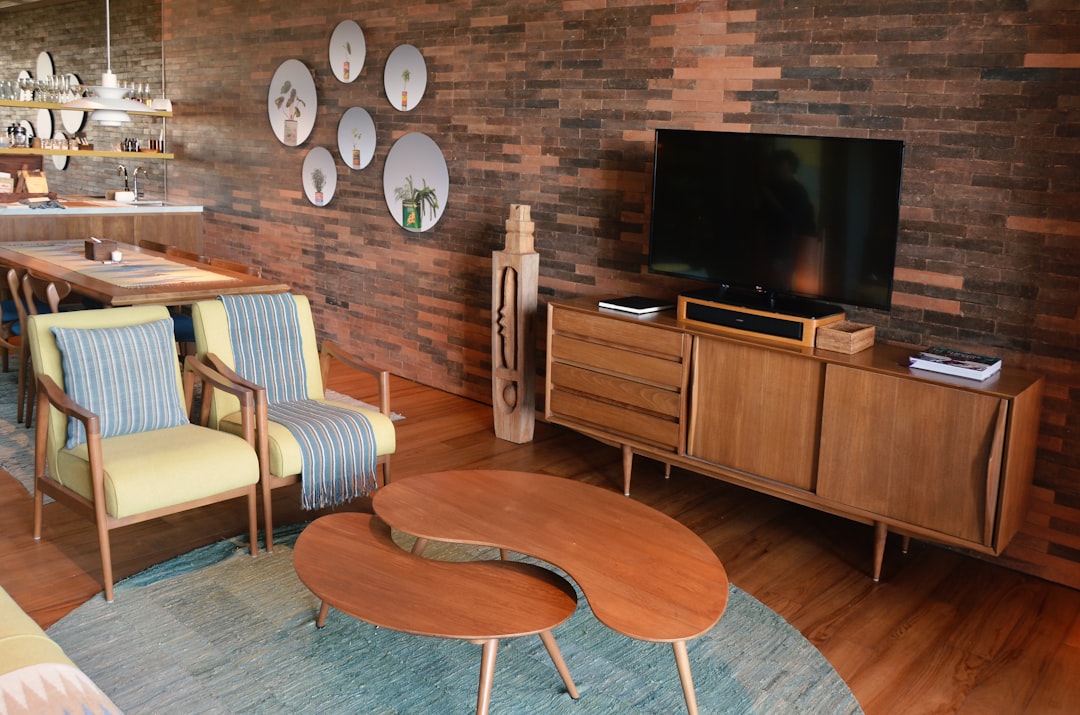
Scratch marks on leather sofas tell the story of Singapore’s pet owners—three parallel lines near the armrest, a single defiant gouge where the cat launched itself toward a gecko. Performance fabrics now dominate the mid-range market, with brands like Castlery and FortyTwo offering crypton or polyester blends that resist both claws and paw prints. The real test comes during shedding season, when lighter fabrics show every strand; taupe and grey bouclé hides it better than white linen, though nothing beats a weekly lint roller session.
Leather remains divisive. Full-grain develops character marks that some love, while others mourn the pristine surface. Bonded leather peels catastrophically after one determined scratching session—a lesson learned the hard way in multiple Bukit Timah bungalows. The compromise? Leather-accented designs with fabric seating panels, though that leaves the arms vulnerable. At Eunos’ FortyTwo showroom, sales staff keep a sample of perforated leather specifically to demonstrate how cat claws inevitably find the holes.
Landscaped terraces in landed homes mean more muddy paws indoors—a problem less common in HDBs, where pets typically traverse tiles before reaching the sofa. Stain-resistant treatments work until they don’t; one espresso spill on a treated cotton blend leaves a faint shadow no amount of baking soda can lift. Pet owners swear by removable, machine-washable covers from IKEA or Megafurniture’s collection, though the latter’s zippers tend to jam after six months of weekly washes.
The best-performing materials share two traits: tight weaves that claws can’t snag, and enough texture to disguise wear. Microfiber outperforms velvet for scratch resistance, while textured wool blends develop a patina that masks minor damage. One Tampines homeowner swears by her navy-blue chenille sofa—five years in, the occasional pulled thread blends into the fabric’s inherent irregularities. Meanwhile, hairless sphynx cat owners face the opposite problem: body oils stain untreated fabrics faster than any claw could.
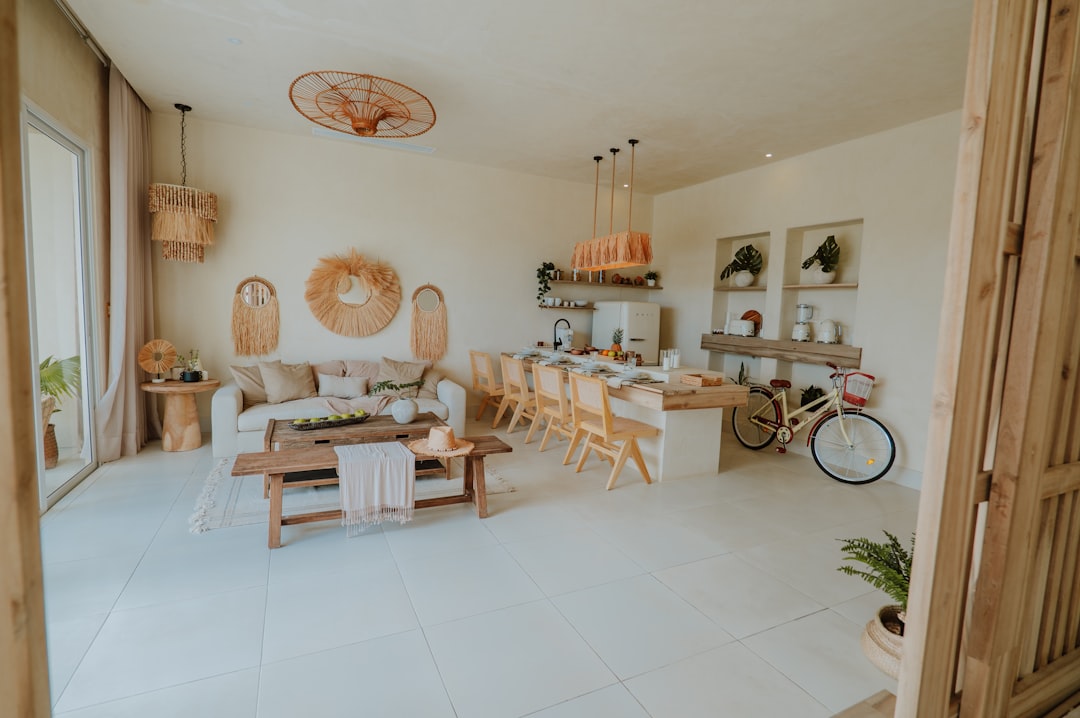
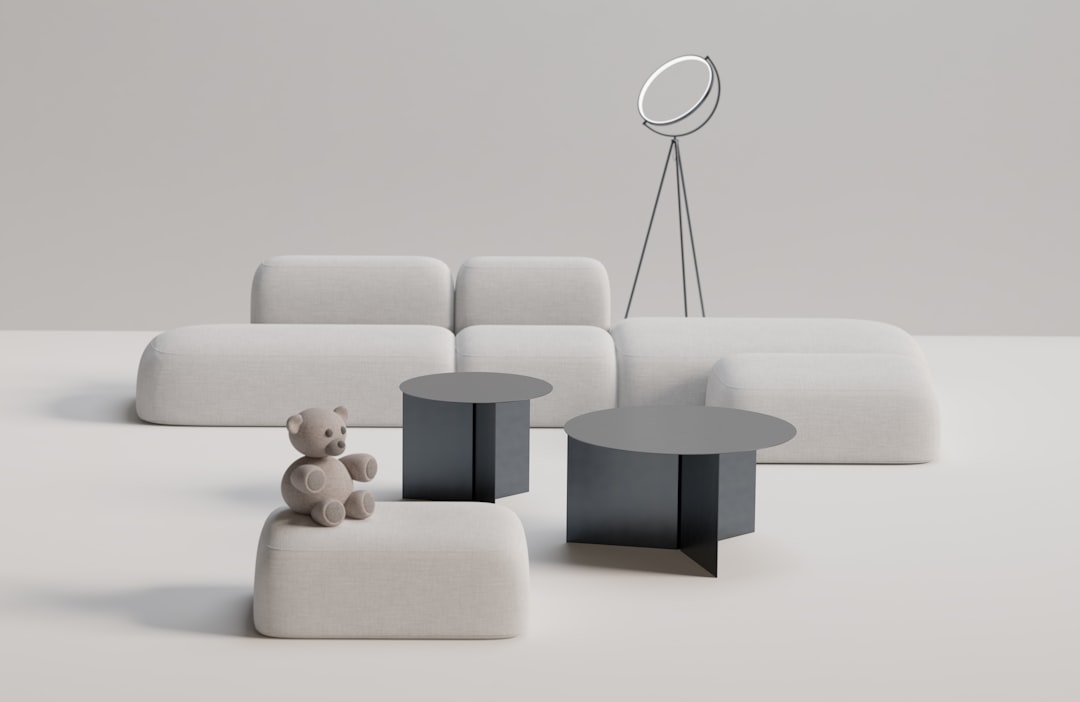
Walking into Megafurniture’s Joo Seng showroom, it’s hard not to notice the fabric swatches laid out on the Scandinavian-style sofas — a tactile invitation to test durability against Singapore’s humidity and sunlight. Unlike online purchases, where colours can look different on screen, here you can feel the texture of bouclé or performance velvet under your fingertips, ensuring it matches your vision for a light-filled HDB living room. Customisation options, like swapping out oak legs for ash or adjusting the sofa depth to fit a 12 sqm space, are easier to discuss in person than over email.
Over at Tampines, the showroom layout mimics real living spaces — a clever way to visualise how that modular sofa might look in your BTO flat. Staff are quick to point out practical details, like how certain fabrics resist fading better in east-facing condos with floor-to-ceiling windows. Delivery and assembly details are straightforward; most orders take 6–8 weeks, and the team handles everything from unboxing to fixing minor scratches on wooden frames.
One advantage often overlooked is the chance to test seating comfort for extended periods. That 2.4m sofa might look perfect on Pinterest, but sitting on it for 10 minutes reveals whether it’s truly suitable for movie nights or hosting relatives during Chinese New Year. Showroom visits also let you compare pieces side by side — something impossible when scrolling through online galleries.
For those furnishing on a budget, the showrooms occasionally display clearance items, offering discounts on floor models that still carry the same warranty. It’s a practical option for homeowners balancing Scandinavian aesthetics with HDB renovation costs.
" width="100%" height="480">Scandinavian sofa fabric fading: Prevention strategies for sunny homesA common sight in Singaporean living rooms: a three-seater Scandinavian sofa crammed against a BTO feature wall, its armrests grazing the TV console. That’s 220cm of sleek Danish design wedged into a 270cm floor plan — leaving just enough room for one person to sidle past. Buyers often fixate on the aesthetic (light oak legs! bouclé upholstery!) without accounting for walkways, especially in older flats where living areas average just 9–12 sqm. Humidity warps untreated solid wood within months, yet many still opt for untreated beech frames over rubberwood or kiln-dried oak. Condensation pools under sofas placed directly against HDB’s notorious “wet walls” — those concrete partitions hiding bathroom plumbing. Performance velvet holds up better than linen in our 85% humidity, but most buyers discover this only after their pale grey upholstery develops permanent watermark-like stains. Storage becomes an afterthought. A Malm bed frame might look pristine in the IKEA showroom, but in a 4-room BTO, that’s 1.6m of dead space where suitcases and CNY decorations could live. Same goes for sofas — the
Megafurniture Oslo serieshides three Ikea bags’ worth of clutter under its seat cushions, yet most buyers only consider depth and fabric swatches. Then there’s the sunlight issue. Floor-to-ceiling windows in Punggol Northshore units fade even UV-resistant fabrics within two years. Yet how many measure their balcony exposure before choosing that perfect oat-colored sectional? The Scandinavian ideal of “light-filled spaces” clashes with our equatorial reality — sheer curtains alone won’t save your investment. Measure twice, buy once applies doubly here. That 75cm coffee table leaves no legroom when paired with a 95cm-deep sofa. And nobody needs a Poäng chair if it blocks the bomb shelter door.
Scandinavian sofa delivery checklist: Ensuring a smooth process
A Scandinavian sofa might look perfect in your living room, but getting it there can be a challenge — especially if you’re on the 15th floor of an HDB block with a lift that’s barely wide enough for a bicycle. Many buyers underestimate the logistics of delivery, only to find their dream sofa stuck in the loading bay. In Singapore, most Scandinavian-style sofas come flat-packed for easier transport, but assembly can be another hurdle. Stores like FortyTwo and Castlery typically include basic assembly, while IKEA’s DIY approach might leave you wrestling with an Allen key for hours.
Narrow HDB lift access is a common issue, particularly in older estates like Bedok or Tampines. Some retailers offer a “lift assessment” service before delivery — worth considering if your lift measures less than 1.5 metres wide. For those in walk-up apartments, expect additional fees for manual carrying, often around $50 to $100 per floor. It’s not glamorous, but it’s better than discovering your sofa won’t fit through the door.
Warranty coverage is another key factor. A 5-year warranty is standard for most Scandinavian sofas, but it’s worth checking the fine print. Fabric fading, a common issue in sunny Singapore homes, might not be covered unless it’s explicitly stated. Brands like Commune and Cellini often exclude “normal wear and tear,” while others offer fabric protection plans for an extra $200 or so. If you’re placing your sofa near a window, that might be a smart investment.
Delivery timelines can vary widely — from same-day options at Courts to 6–8 weeks for custom orders from Commune. If you’re furnishing a new BTO flat, plan ahead. The last thing you want is to move in and realise you’ll be sitting on the floor for another month.
Opt for Scandinavian sofa fabrics treated with UV-resistant coatings to minimize fading in sunny homes. These fabrics are designed to withstand prolonged exposure to sunlight while maintaining their vibrant colors. Look for materials like polyester or acrylic blends, which are known for their durability and fade resistance. This ensures your Scandinavian-style sofa retains its aesthetic appeal over time.
Position your Scandinavian sofa away from direct sunlight to reduce fabric fading. Place it in shaded areas or use room layouts that limit sun exposure during peak hours. Consider rotating the sofa periodically to ensure even wear and prevent localized fading. This approach helps preserve the fabric’s integrity and color.
Install light-filtering or UV-blocking window treatments to shield your Scandinavian sofa from harmful rays. Options like blinds, curtains, or window films can significantly reduce sunlight intensity. These treatments not only protect your sofa but also enhance the room’s ambiance. Choose designs that complement Scandinavian decor for a cohesive look.
Clean and maintain your Scandinavian sofa fabric regularly to prolong its lifespan. Use gentle, non-abrasive cleaning products to remove dust and dirt that can accelerate fading. Avoid harsh chemicals that may weaken the fabric’s fibers. Consistent care ensures the sofa remains fresh and vibrant.
Rotate sofa cushions and accessories periodically to ensure even exposure to light. This practice prevents specific areas from fading more than others. Additionally, using removable covers allows for easy rotation and replacement if needed. This simple step helps maintain the sofa’s uniform appearance.
In Singapore’s humid climate, a Scandinavian sofa’s light fabric can fade faster than you’d expect — especially if it’s placed near a window in a sun-drenched HDB living room. Buyers often wonder if it’s worth the upkeep, but with the right choices, these pieces can stay fresh for years.
What’s the best fabric for humidity? Performance velvet and linen blends top the list; they’re breathable, resist mould, and don’t trap heat. Avoid heavy materials like wool or untreated cotton — they’ll absorb moisture and start to smell. For sunny homes, opt for fade-resistant fabrics in neutral tones like soft grey or muted blue; they hide wear better than stark whites.
How do I maintain a Scandinavian sofa? Vacuum weekly to prevent dust buildup, and rotate cushions every month to even out wear. For spills, blot immediately with a damp cloth — don’t rub, or you’ll push the stain deeper. Consider a fabric protector spray, especially if you’ve got kids or pets. In many flats, a dehumidifier helps keep the upholstery dry during monsoon season.
Are there cost-effective options for BTO flats? IKEA’s EKTORP series is a popular choice, priced around $600 to $900; it’s modular, so you can reconfigure it as your space evolves. Castlery’s Jasper sofa, at $1,200 to $1,500, offers a sleeker look with removable covers for easy washing. If you’re willing to compromise on size, two-seaters from FortyTwo or HipVan can fit snugly into compact living rooms without sacrificing style.
Buyers often overlook the legs — but in Scandinavian design, they’re key. Light oak or ash bases lift the sofa visually, making small spaces feel airier.
The Scandinavian sofa you’ve been eyeing online might look perfect in a showroom-lit photo, but it’s the details of your own living room that’ll decide if it’s a match. In Singapore’s compact condos, where living rooms average 12 to 16 sqm, a sofa’s footprint matters more than its aesthetic. A 2.1m-wide three-seater might overwhelm a Tampines BTO flat, while a modular design with a chaise could eat up walking space in a Bedok HDB. Measure twice, buy once — and don’t forget to account for doorways and lift dimensions.
Fabric choice isn’t just about colour; it’s about how it’ll hold up against daily wear. Performance velvet from brands like Castlery or Commune resists fading better than linen, especially in east-facing flats bathed in morning sun. For homes with kids or pets, stain-resistant finishes are a must — though they’ll add $300 to $500 to the price tag. Bouclé might be trendy, but it’s a magnet for crumbs and pet hair; stick to easier-to-clean options if practicality tops Pinterest appeal.
Budgeting for a Scandinavian sofa means planning for the long haul. Prices range from $1,200 for IKEA’s basic models to $4,000-plus for designer pieces from FortyTwo or Cellini. Factor in delivery fees, which can hit $200 for bulky items in neighbourhoods like Eunos or Aljunied. And remember, a sofa isn’t just a purchase — it’s an investment in your home’s centrepiece. You’ll sit on it daily, lean against it nightly, and probably spill coffee on it eventually. Choose one that’ll age as well as your favourite pair of jeans.