A 12 sqm HDB master bedroom leaves little room for error when it comes to rug placement. Too large, and it swallows the floor space; too small, and it looks like an afterthought. For these compact spaces, a rug around 160cm x 230cm typically works best — it’s big enough to anchor the bed but leaves enough bare floor to maintain a sense of openness. Stick to neutral tones like soft grey or muted blue to avoid overwhelming the room; sage green can work too, though it’s riskier in north-facing flats where natural light is scarce.
In narrow living rooms, where 4m widths are common, oversized rugs are a common misstep. A 200cm x 300cm rug often fits the bill — it defines the seating area without encroaching on the walkway. Avoid going wall-to-wall; leaving a 30cm border of exposed flooring helps maintain the illusion of space. For Scandinavian aesthetics, consider a flatweave rug in light beige or off-white; it’s easier to clean than plush options and complements light wood tones like oak or ash.
One common mistake? Choosing a rug purely for its design without considering the room’s proportions. A bold geometric pattern might look striking in a showroom but can make a small space feel cluttered. Instead, opt for subtle textures or tonal variations — they add depth without dominating the room. And while it’s tempting to go for a statement piece, remember that in compact HDB layouts, the rug’s job is to harmonise, not compete.
Finally, don’t forget the practicalities. In high-traffic areas like living rooms, durability matters. Wool blends are a solid choice — they’re hard-wearing and naturally stain-resistant, though they’ll set you back $1,200 to $2,400. For tighter budgets, polypropylene rugs offer a similar look at a fraction of the cost, though they’ll need replacing sooner. Either way, measure twice, buy once — there’s nothing worse than a rug that’s just a few centimetres off.
Singapore’s humidity hovers around 80% most of the year — a reality that wreaks havoc on untreated cotton rugs, especially in non-aircon spaces like balconies or utility rooms. Within months, mould creeps in, leaving that unmistakable damp smell. Wool blends, on the other hand, fare better. Their natural fibres resist moisture absorption, making them a practical choice for homes here. Scandinavian wool rugs, treated for humidity resistance, are particularly suited to Singapore’s climate. They’re lightweight yet durable, with a texture that feels soft underfoot without trapping moisture. In many HDB flats, these rugs work well in living rooms or bedrooms, where airflow is decent but humidity still lingers. Their neutral tones — think soft greys or muted blues — also align with the Scandinavian aesthetic, blending seamlessly into modern interiors. For those prioritising longevity, wool blends outperform pure cotton hands down. Cotton absorbs moisture like a sponge, which is fine in drier climates but a disaster here. Wool, by contrast, repels water naturally, and treated varieties add an extra layer of protection. It’s not just about durability, though; wool’s natural resilience means it bounces back from foot traffic, making it a practical choice for high-use areas. Design-conscious homeowners often overlook material when choosing rugs, focusing instead on colour or pattern. But in Singapore, material matters — especially if you’re furnishing a space without aircon. Wool blends strike the right balance between aesthetics and practicality, offering a solution that’s both stylish and functional. For those exploring options, treated Scandinavian wool rugs are worth considering, available at local showrooms like
Megafurniture’s collection.
" width="100%" height="480">Choosing the right Scandinavian rug size: a room-by-room guideLow-pile Nordic weaves are ideal for pet owners, particularly those with cats. The shorter fibres resist clawing better than thicker rugs, reducing visible damage over time. In Singapore’s humid climate, low-pile designs also prevent dust accumulation, making them easier to maintain. They’re practical for high-traffic areas like living rooms or hallways, where pets often roam. Pairing them with light wood furniture enhances the Scandinavian aesthetic without compromising functionality.
Stain-resistant finishes are a must for dog owners, especially in homes with young pets or active breeds. These finishes repel spills and accidents, ensuring the rug stays clean even in busy households. Modern treatments are invisible, preserving the rug’s natural texture and colour. For Singaporean homes, this feature minimises the need for frequent deep cleaning, saving time and effort. It’s a practical choice for maintaining both style and hygiene.
Shaggy rugs might look cosy, but they’re a nightmare in Singapore’s tropical climate. The long fibres trap pet hair, dust, and moisture, making them difficult to clean. In 35°C weather, these rugs can feel uncomfortably warm underfoot, especially in smaller flats. Opting for flat weaves or short-pile designs ensures better airflow and easier maintenance. It’s a smarter choice for pet-friendly, climate-appropriate interiors.
Neutral tones like soft greys and muted blues are perfect for hiding pet hair and minor stains. These shades align with Scandinavian design principles, creating a calm and cohesive look. In Singapore’s bright interiors, lighter colours reflect natural light, making spaces feel larger. Avoid pure white, as it’s harder to maintain with pets around. Instead, opt for off-whites or subtle patterns that mask wear and tear.
Wool blends and synthetic fibres like polypropylene are popular choices for pet-friendly Nordic rugs. Wool offers natural resilience, while synthetics provide added durability and stain resistance. Both materials are soft underfoot yet tough enough to withstand daily pet activity. In Singapore’s humid environment, these fibres resist mould and mildew, ensuring longevity. They strike a balance between comfort and practicality for modern, pet-inclusive homes.
In HDB corridors, vertical stripes work wonders — they stretch the space visually, making a 3.6m passage feel less like a shoebox. It’s a trick borrowed from Scandinavian design, where clean lines and functional minimalism dominate. Pairing these stripes with a round rug softens the angularity of BTO layouts; the contrast between straight lines and curves creates balance, especially in tighter spaces.
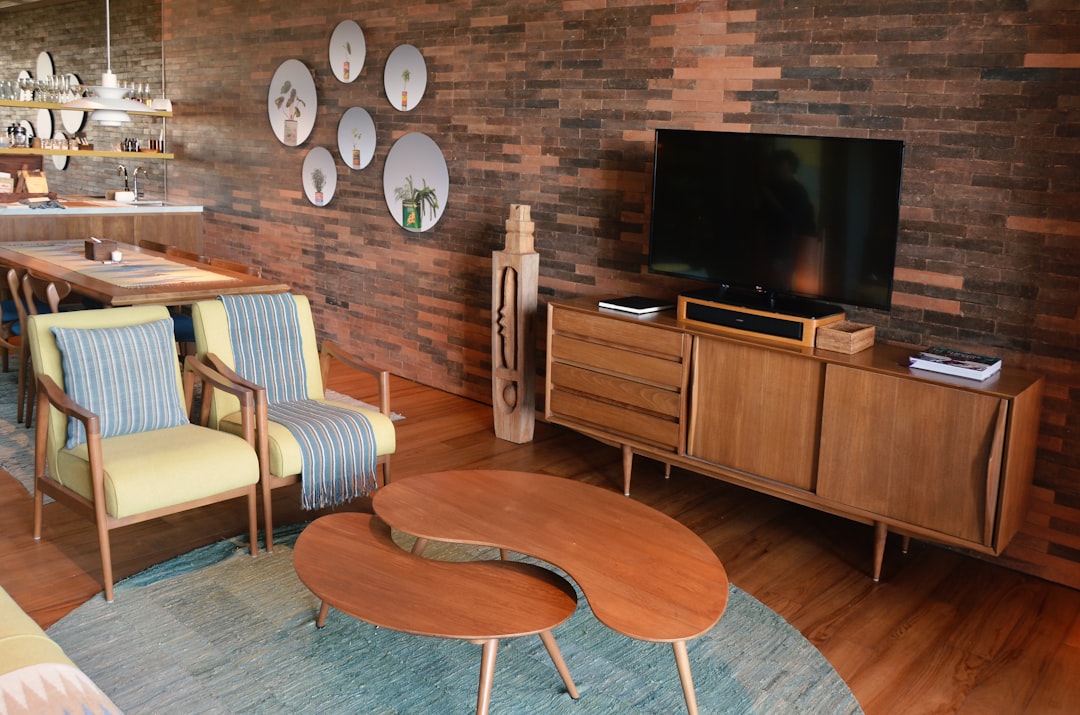
Scandinavian rugs, with their muted blues and sage greens, add warmth without overwhelming the room. They’re also practical; lighter tones reflect natural light, making narrow spaces feel airier. In many homes, these rugs anchor the room’s aesthetic, tying together light wood tones and neutral upholstery. Just avoid going too large — a rug that spills into walkways can make the space feel cluttered.
Round rugs, often overlooked in favour of rectangular ones, are particularly effective in softening sharp corners of living rooms or bedrooms. A 1.5m diameter rug, for instance, fits neatly beside a Queen bed while leaving enough clearance for movement — crucial in HDB master bedrooms typically around 12 sqm. The key is to measure twice; buyers often underestimate how much space a bed and its accompanying furniture take up.
One common mistake is assuming all rugs work equally well in small spaces. A rectangular rug in a narrow corridor only emphasises its length, while a round one draws the eye inward, creating a focal point. For BTO flats, where every square metre counts, these visual tricks can make the difference between a cramped and a cohesive layout.
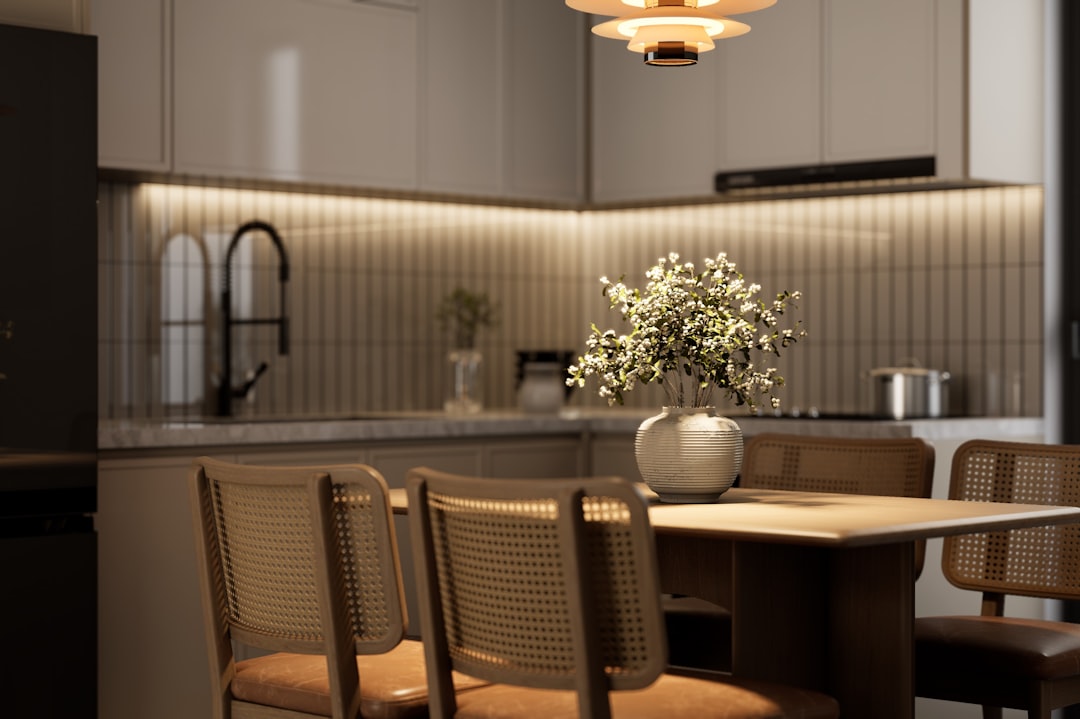
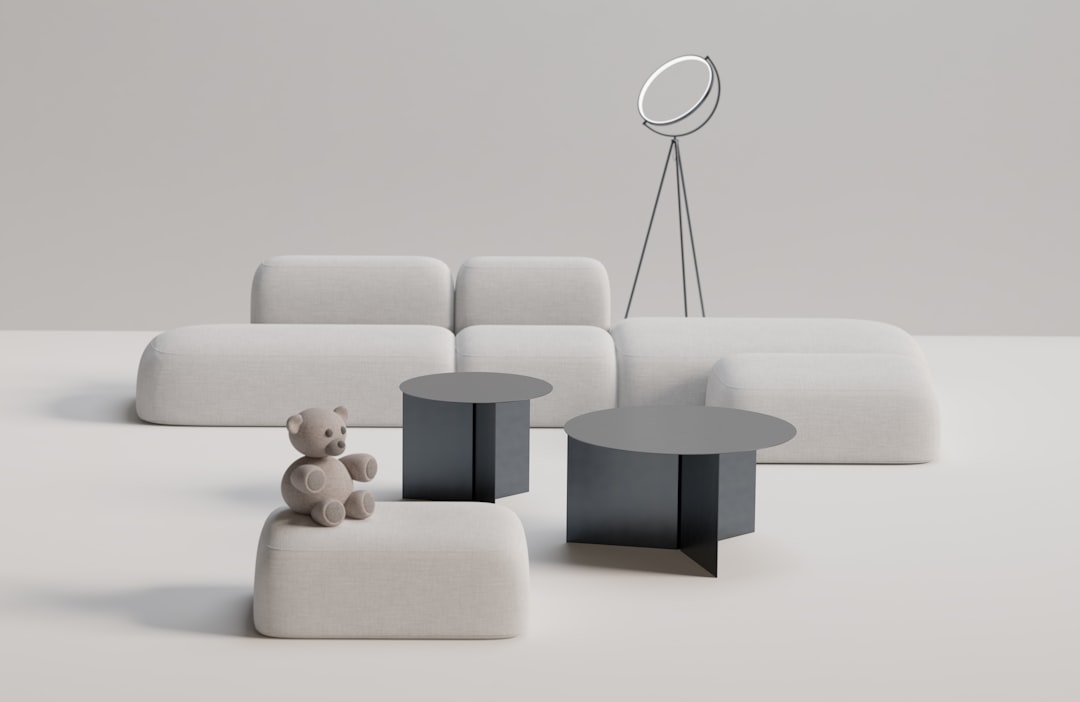
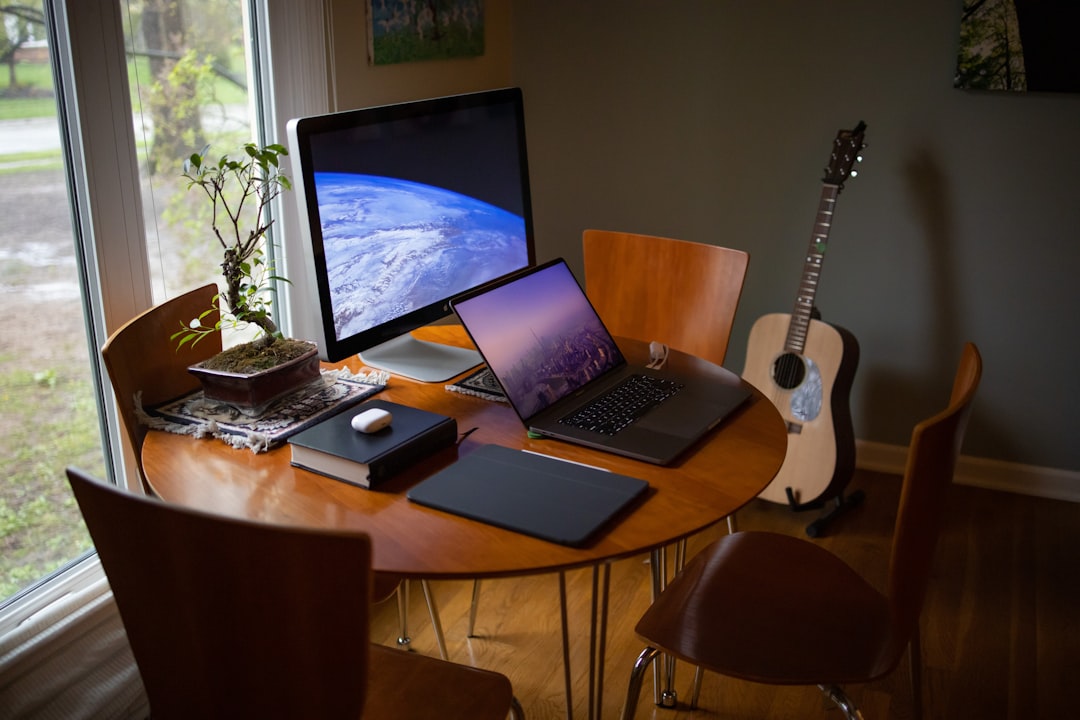
The first test of any rug happens before you unroll it—press bare feet into the pile right there on the showroom floor. Singapore’s ubiquitous tile amplifies texture differences; a 12mm wool feels like cloudwalking compared to 8mm jute’s monastic austerity. Megafurniture’s Tampines outlet nails this with mock HDB bedroom setups—their 8x10 rugs displayed under real bed frames, not pinned to walls like art pieces. Sales associates will tell you to measure twice—ignore them. Bring your existing furniture photos instead. That 240cm sofa you’re pairing with a 160cm rug? The showroom’s 220cm version will distort proportions. Some stores keep blue painter’s tape for marking actual dimensions on their floors—ask. Lighting matters more than you’d think. Scandinavian rugs under showroom spotlights (3000K, 90 CRI) reveal undertones that vanish in HDB fluorescent glare. Check the rug’s reverse side—if the backing fabric looks cheap, the edges will curl within six months of AC drafts. The best test? Drop your keys from waist height. A good rug muffles the clatter; thin synthetics let metal ping against tiles like a dinner bell. Don’t bother with spill demonstrations—every rug rep carries a water bottle for staged coffee-stain theatrics. Natural fibre rugs need breaking in. If the showroom sample feels stiff, that’s normal—the one delivered to your Punggol BTO will soften after three weeks of foot traffic. Synthetic blends look pristine longer but trap heat against Singapore’s tiles—fine for bedrooms, torture for living rooms. Browse Megafurniture’s
Scandinavian collectionand you’ll notice their displays account for this, pairing low-pile wool with open-leg sofas to encourage airflow. Showrooms rarely mention it, but rug pads are non-negotiable here. The 3mm felt ones sold as add-ons? They’ll disintegrate during your first deep clean. Go for natural rubber—it costs twice as much but grips tiles through monsoon humidity.

Moving bulky rugs into high-rise flats often becomes an impromptu workout session—especially when lift doors barely clear 150cm. Older HDB blocks near Eunos and Bedok frequently have narrower lifts than newer BTOs, meaning that 160cm round rug you ordered online might get stuck at the lobby. Delivery crews typically charge extra for staircases beyond the 15th floor, adding $50–$120 to your total.
Foldable rug designs solve half the problem, but check thickness—some compress to 15cm rolls while others barely bend. Couriers have been known to leave oversized parcels at void decks when lifts fail, leaving buyers to haul wool blends up 20 storeys in Singapore’s humidity.
One workaround: measure your lift’s diagonal clearance (most HDBs built before 2010 max out at 140cm corner-to-corner). Alternatively, browse the options at Megafurniture’s showrooms—their Joo Seng location keeps sample rugs rolled for test-fits in compact lifts. Just don’t assume ground-floor unloading guarantees smooth delivery; that vintage kilim might survive the journey from Turkey only to wedge itself permanently between your lift’s handrails.
‘Can I layer rugs over marble?’ Absolutely — in fact, it’s a common trick in Singapore homes to soften the coolness of marble floors while adding texture. Opt for a low-pile Scandinavian rug in muted tones to avoid clashing with the marble’s natural veining. Just ensure the rug isn’t too thick, or it’ll trip up sliding doors.
‘Best non-slip pads for polished porcelain?’ Look for silicone-based pads, which grip better than felt-backed ones. Brands like Gorilla Grip or IKEA’s STOPP work well, especially under heavier rugs. Avoid rubber pads — they can leave marks on porcelain over time, especially in humid weather.
‘Do light colours show kopi stains?’ They can, but that’s where stain-resistant fabrics come in. Many Scandinavian rugs are treated with protective coatings, making spills easier to blot out. Stick to rugs with subtle patterns — they’re better at hiding stains than solid colours.
For those worried about maintenance, machine-washable rugs are a lifesaver in Singapore’s humidity. Brands like Ruggable offer Scandinavian designs that can be tossed in the wash, though they tend to feel thinner underfoot.
And if you’re layering rugs, keep the bottom one neutral — a beige or grey base lets you swap out the top rug without clashing. It’s a practical move for BTO flats where you might want to refresh the look without buying new furniture.
Singaporean queen beds play by different rules — that extra 2cm width and missing 10cm length throws off entire bedroom layouts when buyers assume standard 150x200cm dimensions. Seen it happen: a perfectly planned Scandinavian platform bed wedged against built-in wardrobes with drawers that won’t open, all because someone trusted generic online measurements.
Bring floor plans to any showroom visit, but especially when eyeing low-profile Nordic bedroom sets. Those clean lines hide spatial traps: a 152cm-wide bed frame leaves exactly 74cm clearance in typical 3m-wide BTO bedrooms — enough for 60cm-deep nightstands if you skip the bulky headboard. Tape out the footprint at home first; most buyers regret not doing this when their Malm dresser blocks the aircon remote sensor.
Local showrooms display pieces in room mockups, but their 1,200 sqft warehouse spaces lie. Your 12 sqm bedroom won’t magically grow IKEA showroom proportions. Measure twice for circulation paths — 90cm minimum walkways, 110cm if you’ve got sliding wardrobe doors. That modular sofa system might look petite in Tampines’ cavernous display area, but it’ll dominate your Ang Mo Kio living room like a beached Viking longship.
Rubberwood legs on Scandinavian dining sets often add 5-8cm beyond the tabletop dimensions. Nobody reads the spec sheets until their Eames chairs won’t tuck under.
Floor plans aren’t just for architects — scribble your existing furniture positions in pencil, then overlay potential new pieces cut from newspaper. Cheaper than discovering your dream teak console table blocks the circuit breaker panel.
For a balanced Scandinavian living room, opt for a rug that extends under all key furniture pieces, leaving 8-12 inches of floor visible around the edges. A 8x10 or 9x12 rug works well for medium to large spaces, anchoring sofas and chairs while maintaining clean lines. Avoid oversized rugs—Scandinavian design thrives on intentional negative space.
Choose a rug that frames the lower two-thirds of your bed, typically a 5x8 or 6x9 size for queen/king beds. In Scandinavian bedrooms, the rug should create a soft landing zone without overwhelming the minimalist aesthetic. For twin beds, a smaller 4x6 rug placed asymmetrically adds warmth.
Select a rug 24 inches wider and longer than your dining table to accommodate pulled-out chairs. A 6x9 or 8x10 rug suits most Scandinavian dining spaces, ensuring chairs stay on the rug when in use. Natural fiber rugs like jute enhance the organic simplicity of the style.