The master bedroom in a 12 sqm HDB flat doesn’t leave much room for error—every textile choice needs to pull double duty. Textured cushions in humidity-resistant cotton blends solve two problems at once: they add visual depth without clutter, and withstand Singapore’s 85% average humidity better than velvet or linen. Neutral tones like soft greys or sage greens work hardest here, bouncing light around rooms where windows are often half-obstructed by service yards or adjacent blocks.
Most homeowners default to flat, solid-coloured cushions—a missed opportunity in compact spaces where texture creates the illusion of layers. Try pairing a chunky knit with a smooth linen-look cover, or mix a bouclé throw pillow against ribbed bedlinen. The trick is keeping all tones within two shades of each other; anything louder turns a carefully curated bedroom into a pasar malam stall.
Local furniture chains like FortyTwo and Castlery now stock ready-made textured cushion sets, but it’s worth checking neighbourhood upholstery shops in Eunos or Tampines for custom sizes. A 50x50cm cushion fits standard HDB bed frames without overwhelming them, while 35x35cm works for window seats or reading nooks.
The real test comes during monsoon season, when cheaper polyester fills clump into uneven lumps after six months of dampness. Higher-grade cotton-polyester blends (look for 60/40 ratios) hold their shape—crucial when your bedroom doubles as a home office or yoga space.
Some designers swear by rotating cushion covers seasonally—lighter textures for May to August, heavier weaves for year-end rains—but let’s be honest: most of us won’t bother after the first year. Better to invest in three good sets that work year-round.
Singapore’s humidity doesn’t just frizz hair—it warps untreated wood within months. The Ikea MALM dresser you bought in Oslo? That’s a breeding ground for mould here unless treated with moisture-resistant lacquer. Linen-cotton blends breathe better than synthetic velvet in our 32°C evenings, while performance fabrics from brands like Castlery or FortyTwo withstand sweat and spills without yellowing.
Cheap polyester cushions from neighbourhood pasar malams pill after six washes; Commune’s solution-dyed acrylic upholstery fades slower under our UV index 12 sun. Mid-range buyers should note: Megafurniture’s Somnuz® mattress line uses antimicrobial foam—critical when 78% of BTO bedrooms lack proper ventilation.
Natural materials need extra care—rubberwood dining tables expand during monsoon seasons unless sealed annually. Local workshops like V Furniture at Eunos Industrial Park offer tropicalised teak, but budget-conscious shoppers often regret skimping on coatings. That rattan chair from Pinterest? It’ll last three rainy seasons max without weatherproofing sprays.
Leather’s a gamble—full-grain develops character in Tampines condos, while bonded leather peels within a year near coastal areas like Marine Parade. Bouclé fabrics, though trendy, trap moisture against walls in shoebox units. The solution’s simpler than influencers claim: look for OEKO-TEX® labels and avoid anything labelled "dry clean only" unless you enjoy $120 cleaning bills.
Storage beds with ventilated bases outperform solid platforms in HDB flats—no one wants to discover a fungal colony under their mattress. Those living near wetlands (Punggol, Jurong West) should prioritise powder-coated metal legs over untreated wood. Humidity’s the silent killer of Scandinavian aesthetics; that pale oak coffee table won’t stay pale for long without silica gel packs tucked in its drawers.
Textured cushions add depth to Scandinavian furniture without overwhelming its minimalist aesthetic. Opt for fabrics like linen, bouclé, or wool blends — they’re tactile yet subtle. Pairing a smooth ash-framed sofa with a chunky knit cushion creates a balanced contrast. Avoid overly plush or shiny materials; they clash with the clean lines and muted tones typical of Nordic design. In many Singapore homes, this approach works well in compact living spaces, adding warmth without clutter.
Stick to muted blues, soft greys, and whites for cushions to complement Scandinavian furniture. These shades harmonise with light wood finishes like oak or ash, creating a cohesive look. Avoid bold, saturated colours — they disrupt the calm, neutral vibe of Nordic interiors. For a touch of warmth, consider sage green or pale blush tones. In HDB flats, these hues help maintain a sense of airiness, even in smaller rooms.
Subtle patterns work best with Scandinavian furniture — think small geometric prints or organic motifs. Avoid large, bold designs that compete with the simplicity of the furniture. Stripes or herringbone patterns can add interest without overwhelming the space. Stick to monochrome or tonal patterns to maintain the minimalist aesthetic. In Singapore’s humid climate, these understated designs also tend to age better, resisting fading and wear.
Cushion size should match the scale of your Scandinavian sofa or armchair. Oversized cushions can overwhelm smaller furniture, while tiny ones look out of place on a wide sofa. For a standard two-seater, two to three 45cm square cushions usually strike the right balance. In compact BTO flats, smaller cushions (around 40cm) often work better, ensuring the furniture remains functional and comfortable.
Layering cushions of varying textures and sizes creates visual interest without clutter. Start with a larger neutral cushion at the back, then add a smaller textured one in front. Finish with a pop of subtle colour or pattern for depth. Avoid overloading — two to three cushions per seat is typically enough. In Singapore’s warmer climate, this approach keeps the space feeling light and breathable while maintaining the hygge-inspired cosiness of Scandinavian design.
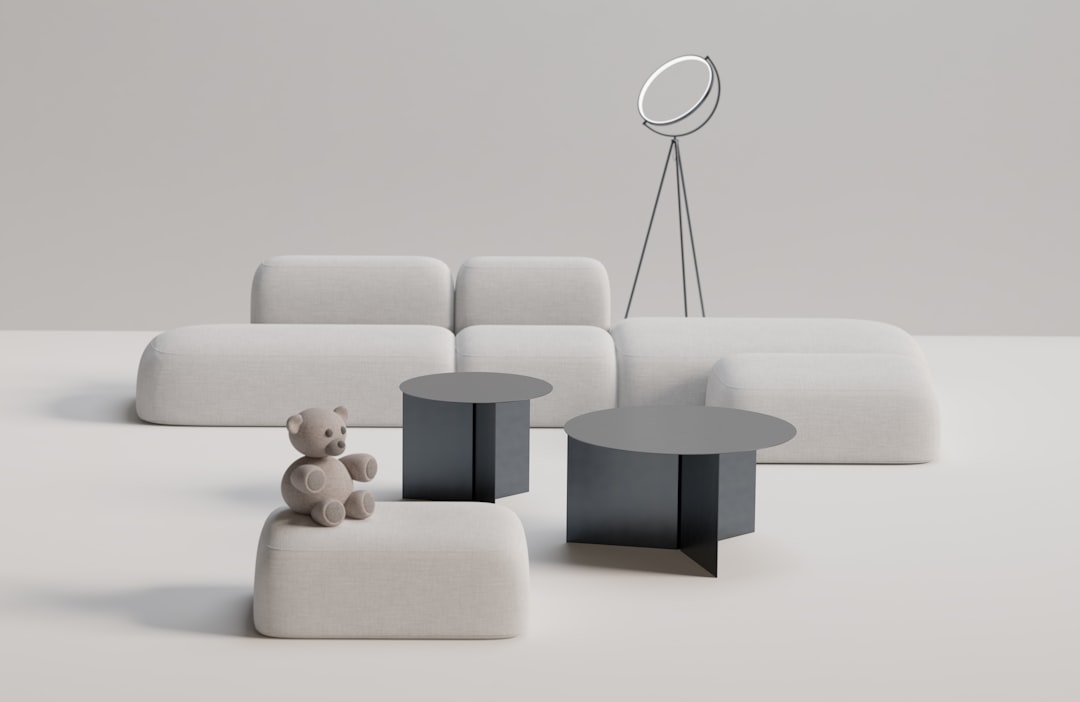
It’s easy to assume bigger cushions mean more comfort — until you’re wrestling a 24”x24” square into an HDB living room that barely fits a two-seater sofa. Most buyers don’t realise that oversized cushions overwhelm compact spaces, leaving little room for movement or additional furniture. Stick to 18”x18” sizes; they’re proportional to Singapore’s tighter layouts and still provide ample support for lounging or hosting guests.
Colour cohesion matters too. A muted sage green cushion might look stunning in isolation, but if the rest of the palette leans towards soft greys and whites, it’ll feel out of place. Scandinavian design relies on a neutral foundation with occasional pops of colour — think muted blues or dusty pinks — to maintain balance. Overloading on bold hues risks turning a calming space into a chaotic one.
Texture mismatches are another common pitfall. In many homes, a bouclé throw pillow clashes with a performance velvet cushion, disrupting the cohesive hygge aesthetic Scandinavian design thrives on. Instead, stick to fabric families — pairing linen with cotton or wool with tweed creates harmony without sacrificing visual interest. It’s a subtle trick, but one that elevates the entire room.
Finally, don’t overlook practicality. Performance fabrics like Crypton or Sunbrella might not feel as luxurious as pure linen, but they’re far easier to clean — a lifesaver in humid Singapore. It’s worth sacrificing a bit of texture for durability when you’re dealing with daily wear and tear. After all, a cushion that lasts is better than one that frays after a few months.
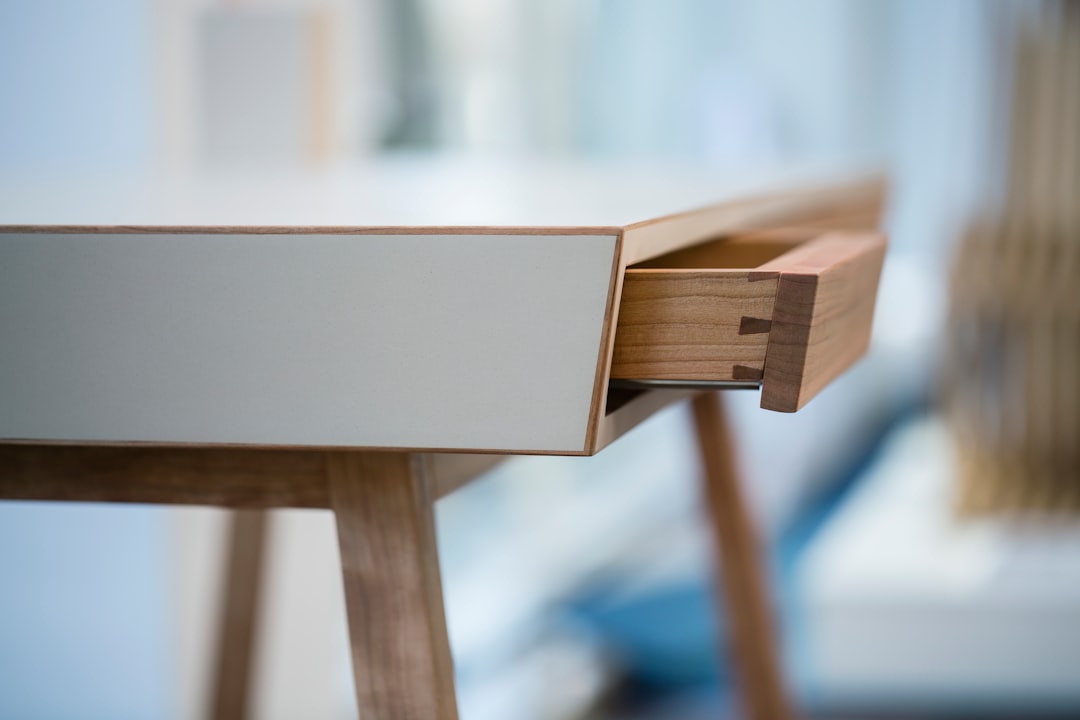
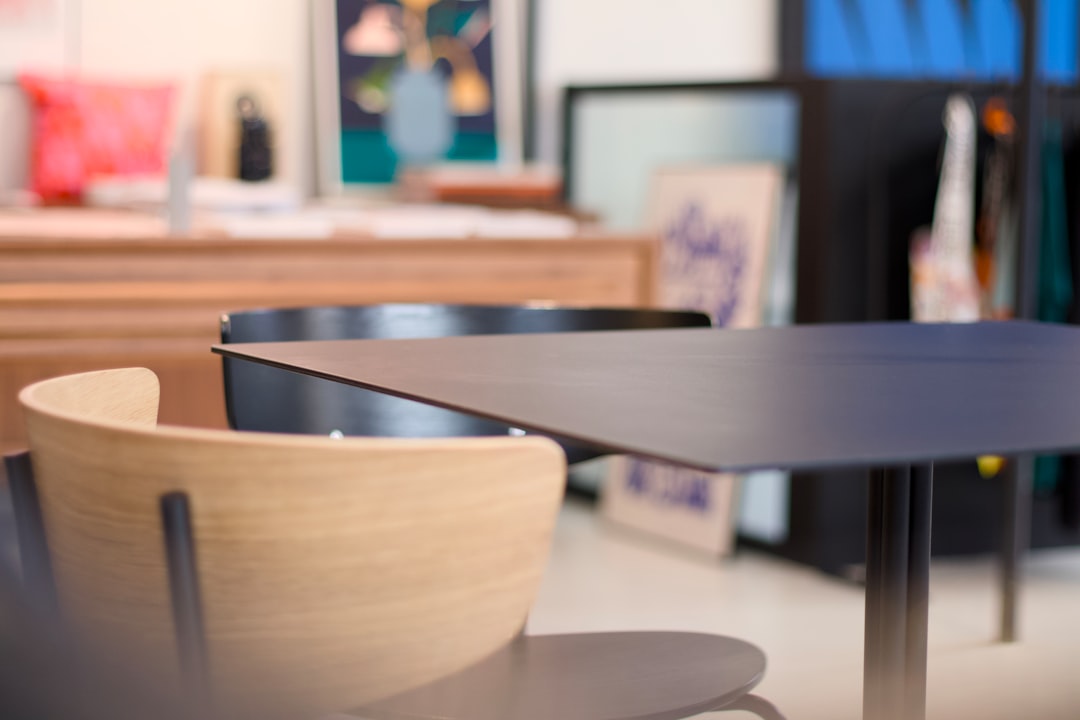
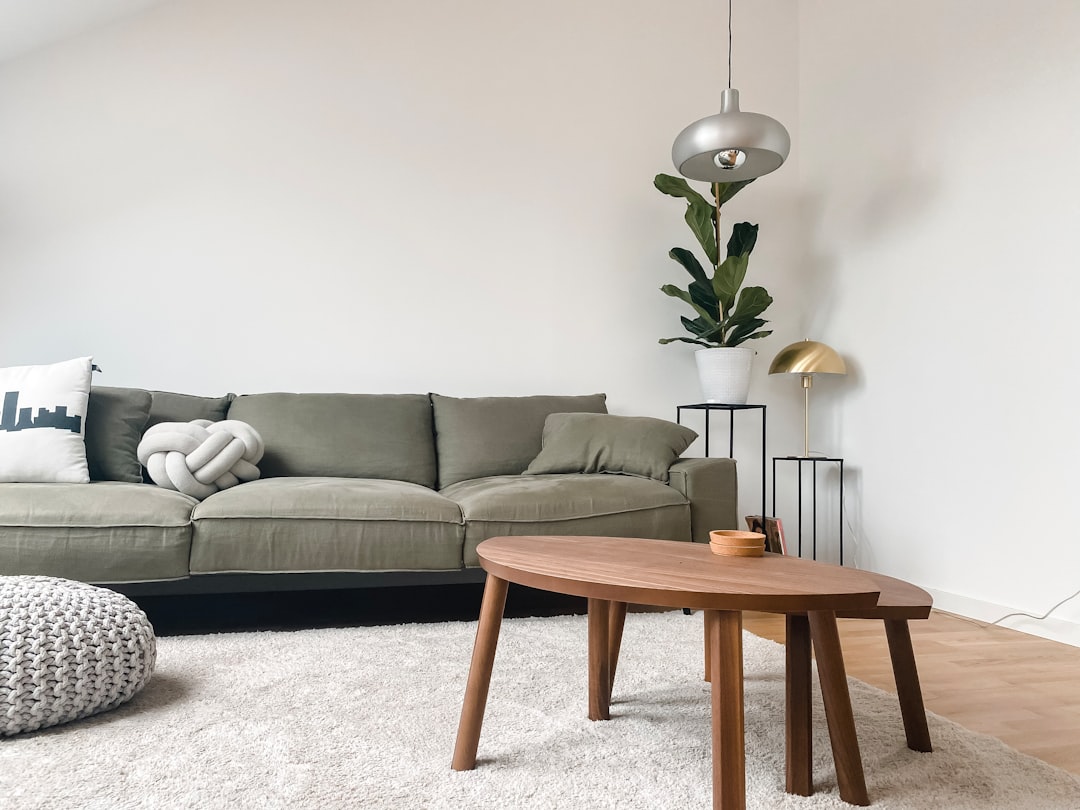
The difference between a Pinterest-perfect Scandinavian living room and one that feels slightly off often comes down to cushion pairings—too many textures clash, while too few leave light wood furniture looking sparse. At showrooms, buyers can test combinations hands-on: linen cushions against oak armchairs, wool blends with ash side tables, or muted blue velvets atop beech sofas—something online mood boards can’t replicate.
Staff assist with proportions too—a common misstep in compact HDB layouts where oversized cushions overwhelm narrow sofas. They’ll demonstrate how 45cm squares anchor a two-seater, while 35cm rounds soften angular dining benches. Colour matching is precise; what reads as “soft grey” online might skew taupe under LED strip lighting common in Singapore condos.
Visitors often arrive fixated on bouclé—until they feel how quickly it pills with daily use compared to performance velvet. Showroom displays highlight practical details: zippered covers for washing (essential with kids or pets), or foam cores that hold shape better than polyester fill in humid weather.
The tactile experience matters for wood tones too. Light oak photographed under Nordic daylight reads warmer than under local fluorescent bulbs—seeing it beside cushions avoids mismatched undertones. Some buyers end up switching from planned ash to beech after realising the latter’s yellow base complements their existing laminate flooring.
Weekday mornings tend to be quieter for unhurried comparisons, though weekends offer the advantage of seeing how pieces look under showroom’s full-spectrum lighting—closer to afternoon sun in north-facing BTO units. Staff keep fabric swatches on hand for home trials, noting which textures show fewer creases when folded into storage ottomans.
" width="100%" height="480">Integrating textured cushions: achieving a balanced lookA common frustration for BTO flat owners is the delivery window — you’ve got the keys, but the sofa won’t arrive for another three weeks. Most retailers offer free delivery for BTO flats, though timing can vary; some prioritise new homeowners, while others work on a first-come-first-served basis. It’s worth checking if they’ll assemble the furniture on-site, especially for pieces like modular sofas or extendable dining tables, which can be tricky to set up in a compact living room.
Warranties are another key factor, particularly for textured cushions. These pieces often face daily wear — from spilled kopi to curious pets — so fabric durability matters. Look for at least one year of coverage on upholstery; some brands extend this to two or three years, which is a good sign of quality. Keep in mind that warranties typically exclude damage from improper cleaning methods, so stick to the manufacturer’s care instructions.
Delivery fees can add up quickly, especially for larger items like dining sets or sectional sofas. While free delivery is standard for BTO flats, some retailers charge extra for non-BTO addresses or express services. It’s also worth asking about their return policy — even the best-planned living room layouts can end up needing adjustments, and you don’t want to be stuck with a sofa that doesn’t fit.
Scandinavian furniture often leans towards lighter materials like ash or beech, which are easier to manoeuvre into tight spaces. That said, delivery teams still need to navigate narrow HDB corridors and lifts — always confirm dimensions beforehand to avoid surprises. It’s a small step, but one that can save a lot of hassle on moving day.

Three cushions typically strike the right balance for a 3-seater sofa—enough to avoid a sparse look without cluttering the seating area. Opt for 45cm squares in condos; they’re easier to rearrange than bolsters when guests arrive unannounced.
Textured cushions work in compact spaces if you stick to neutral tones—linen-weave oatmeals or herringbone greys add depth without shrinking the room visually. Pair them with smooth, solid-coloured throws to prevent sensory overload in 12 sqm living areas.
Machine-washable covers? Cotton-linen blends from IKEA or Castlery handle weekly washes better than pure linen, though they’ll still wrinkle. Spot-clean velvet or bouclé options unless you enjoy ironing.
Sunlight fades even fade-resistant fabrics within months on east-facing balconies. Sheer roller blinds from FortyTwo filter UV rays while maintaining airflow—critical for humid afternoons when you’d rather not crank up the AC. Rotate cushions quarterly if your sectional sits by floor-to-ceiling windows.
The real test: if your cushions end up piled on the floor by midnight, you’ve overdone it. Most Singaporeans ditch decorative pillows entirely after the first year, relegating them to storage beds—where they belong.
Combine linen and wool cushions for a tactile contrast that enhances Scandinavian simplicity. Opt for neutral tones like beige or gray to maintain a cohesive, airy feel. Layer different sizes to add depth without overwhelming the space.
Introduce jute or rattan cushions to echo organic Scandinavian design principles. Pair with minimalist furniture to let textures shine as focal points. Avoid overly bold patterns to preserve the serene aesthetic.
Use varying shades of a single hue for a sophisticated, unified look. Mix smooth and nubby fabrics to create subtle visual interest. This approach keeps the space calm while adding dimension.
Before handing over your card, measure the doorway. That sleek 2.4m modular sofa won’t fit through HDB lift doors—ask any Eunos flat owner who’s had to hoist furniture up the service staircase. Bring painter’s tape to mark dimensions on your living room floor; most showrooms have deceptive sightlines that make pieces appear 15–20% smaller than they’ll look in your 4.5m x 3.5m BTO layout. Fabric swatches lie. The taupe linen blend that feels indestructible under showroom LEDs will pill after six months of cat claws—Megafurniture’s Tampines outlet keeps sample books with actual wear-and-tear demonstrations. Check for: (1) Martindale rub tests above 30,000 for households with toddlers or terriers, (2) Crypton or Nanotex coatings if you’re within 500m of East Coast Park’s salt spray. Hygge isn’t just about aesthetics—it’s tactile. Run your palm along armrest seams during golden hour (3–5pm, when north-facing HDB windows get glare); rough stitching will cast shadows that ruin the soft minimalism. Test cushion density by sitting for seven minutes—the average Singaporean’s scrolling time—and watch for sagging at the lumbar region. Final tip: mobile camera lenses distort proportions. Snap comparison shots of your current sofa against showroom pieces, but trust physical measurements over Instagram-friendly angles. That caramel leather Chesterfield might look perfect in your grid, until it arrives and blocks the aircon vent behind your TV console.
Their Scandinavian rangeincludes removable covers—a lifesaver when durian season overlaps with in-law visits. Just confirm the inner foam cores are CertiPUR certified; cheaper alternatives off-gas for weeks in our humidity.