In a 12 sqm HDB master bedroom, every centimetre counts — especially when it comes to wall space. Most homeowners don’t realise how much usable area gets eaten up by door swings, aircon trunking, and electrical outlets until they’re trying to squeeze in a sideboard. A typical door swing can take up 60cm of clearance, while aircon trunking often protrudes 10cm from the wall, leaving less room than expected.
Scandinavian sideboards, with their clean lines and light wood tones, are a popular choice for compact spaces — but they’re not always a perfect fit. Models exceeding 1.8m in width can disrupt the flow of the room, making it feel cramped rather than cosy. Opting for narrower designs, like IKEA’s Bestå series or Castlery’s Oslo sideboard, allows for better circulation while still providing ample storage.
Measuring wall space requires more than just a tape measure. Start by mapping out permanent fixtures like electrical outlets and switches — these often dictate where furniture can’t go. Then, consider the swing radius of doors and windows; a sideboard placed too close to a door won’t just look awkward, it’ll be a daily nuisance. Finally, account for aircon trunking, which can limit how flush furniture sits against the wall.
In many homes, the space between the bed and the wall becomes the default spot for a sideboard — but even here, dimensions matter. A 1.5m sideboard leaves enough room for bedside lamps and movement, while anything wider risks crowding the area. For those with tighter layouts, vertical storage solutions like tallboys or wall-mounted shelves can free up floor space without sacrificing functionality.
Rubberwood and oak are common materials in Scandinavian sideboards, offering durability without overwhelming the room’s aesthetic. But it’s not just about the material — the finish matters too. Light, matte finishes reflect natural light better than darker tones, helping the room feel more open. And while sideboards with legs create a sense of airiness, those with solid bases provide more storage — a trade-off worth considering in compact spaces.
Start by measuring the length and height of the wall where the sideboard will be placed. Leave at least 30 cm clearance on either side for balance and airflow. Consider existing furniture and door swings to avoid overcrowding.
Opt for low-profile designs (under 90 cm tall) to maintain an airy feel. Ensure the width complements your wall without dominating it. Look for clean lines and tapered legs for authenticity.
Verify pathways remain unobstructed after placement—aim for 70 cm walking space. Check nearby outlets for lamps or charging stations. Avoid blocking radiators or vents for efficiency.
Center the sideboard under artwork or mirrors for harmony. Flank with slim floor lamps or plants if space allows. Leave the wall above 50% empty to emphasize minimalism.
Light-toned woods (oak, ash) enhance small spaces by reflecting light. Pair with sheer curtains to amplify brightness. Avoid dark finishes if the room lacks natural light.
Singapore’s humidity doesn’t just frizz hair — it warps furniture. Walk into any HDB flat after a year, and you’ll spot the telltale signs: swollen cabinet doors, uneven tabletops, and drawers that stick like they’ve got a grudge. Solid oak veneer, though pricier, holds up better than most materials, resisting moisture without losing its clean Scandinavian lines. Treated MDF is another reliable option, especially for sideboards and buffets where storage needs outweigh aesthetic flair.
Untreated pine, while charming in Nordic interiors, buckles under Singapore’s relentless 80%+ humidity. It’s not just a matter of warping — untreated wood can develop mould in corners and crevices, turning a hygge-inspired piece into a maintenance headache. For those on a tighter budget, rubberwood offers a decent compromise; it’s durable, moisture-resistant, and widely available at stores like IKEA and Castlery.
The choice of finish matters as much as the material. Lacquered surfaces, though prone to fingerprints, create a barrier against moisture that’s hard to beat. Matte finishes, while trendy, can absorb humidity faster — a lesson many learn the hard way after their first monsoon season. For hardware, stainless steel or powder-coated handles are a safer bet than untreated brass, which tarnishes quickly in humid climates.
Scandinavian design thrives on simplicity, but in Singapore, that simplicity needs to be built to last. Opting for humidity-resistant materials isn’t just practical — it’s a way to preserve the clean, functional aesthetic that makes Scandinavian furniture so appealing in the first place.
Maintaining your light wood sideboard: preventing watermarks and scratches
Scandinavian sideboards in Singapore's BTO flats often occupy under 1.8m of wall space — just enough to tuck between doorways and aircon units without crowding walkways. Their shallow 40cm depth fits behind three-seater sofas in typical 4.5m-wide living rooms, leaving 90cm clearance for traffic flow. Designers like IKEA and Commune use tapered legs to create visual floor space, while recessed handles prevent snagging on passing laundry baskets. The best units squeeze in six drawers behind a 1.2m frame, proving that for HDB dwellers, every centimetre of storage counts twice.
Light oak and ash dominate 2026's Scandinavian collections, their pale grains reflecting sunlight in north-facing flats around Punggol and Sengkang. Unlike darker teak or walnut, these woods don't visually shrink already modest spaces — a key reason FortyTwo's sintered stone-topped designs sell well in 85 sqm condos. Budget options use rubberwood with water-based stains, while premium lines feature FSC-certified beech with oil finishes that withstand Singapore's humidity without yellowing. Just avoid glossy lacquers; they show fingerprint smudges faster than matte surfaces in high-traffic areas.
Today's sideboards disguise more function than meets the eye — pull-out trays become laptop desks for WFH days, while deeper cabinets swallow standing fans during December monsoon seasons. Castlery's bestseller includes felt-lined cutlery drawers that convert to jewellery storage, catering to dual-use needs in studio apartments. Soft-close mechanisms have become non-negotiable since 2024, especially for young families in Bidadari estates where midnight snack raids are inevitable. One Tampines buyer rigged LED strips inside her Cellini sideboard's upper cabinets — now they double as a bar light for evening entertaining.
Neutral palettes aren't just aesthetic dogma — they let one sideboard serve across multiple HDB living room themes from year to year. The sage green trend peaking in 2026 works particularly well with existing grey sofas and rattan chairs common in Joo Seng showrooms. Designers recommend matching sideboard tones to flooring rather than walls; a white oak unit bridges dark herringbone tiles and light grey curtains better than trying to perfectly match Dulux's "Morning Fog" paint. Those craving contrast can opt for cerused oak finishes that read as textured white from across compact spaces.
Expect to pay $1,100–$2,300 for quality Scandinavian sideboards that survive Singapore's climate — the sweet spot being $1,600 for solid wood frames with engineered stone tops. Cheaper MDF options from neighbourhood retailers warp within two rainy seasons, while overbuilt solid teak units eat up budgets better spent on modular shelving. HipVan's mid-range models strike the right balance, though savvy shoppers check IKEA's as-is section for floor samples; last month's Bedok restock included a $900 Stockholm sideboard with barely noticeable shelf scratches. Just measure your lift lobby first — some BTO corridors can't handle 1.8m flat-pack boxes.
That moment when your new sideboard arrives—gleaming oak veneer, matte black handles, all the Pinterest-perfect hygge vibes—only to discover it juts halfway across your HDB corridor. Standard Singapore hallway widths hover around 90cm, leaving just 45cm clearance after accounting for the 45cm-deep sideboard. Suddenly, that sleek Scandinavian piece becomes a shin-bruising obstacle course every time you haul groceries past it.
Common missteps include fixating on drawer count while ignoring carcass dimensions—that “compact” 6-drawer sideboard might be 20cm deeper than its 4-drawer sibling. Or worse: buying based on online photos shot with wide-angle lenses that compress depth perception. Always cross-check product specs against your floor plan’s choke points, especially near MBR doors or aircon ledge access panels.
Some retailers like Megafurniture’s Scandinavian collection now tag narrow-fit options specifically for HDB layouts. But even then, eyeballing measurements rarely works—tape out the footprint on your actual floor with newspaper before committing. Nothing kills Scandinavian minimalism faster than furniture that forces you to sidle past it like a crab.
Depth matters more than buyers realise. While showrooms display sideboards against vast walls, most BTO living rooms barely accommodate 3.5m spans between TV consoles and dining sets. A 50cm-deep storage unit might fit technically, but it’ll make the space feel like a warehouse aisle. The sweet spot? Stick to 35–40cm depths for narrow walkways, reserving deeper pieces (45–50cm) for open-plan areas near balconies or bay windows.
" width="100%" height="480">Measuring available wall space: ensuring proper sideboard fit
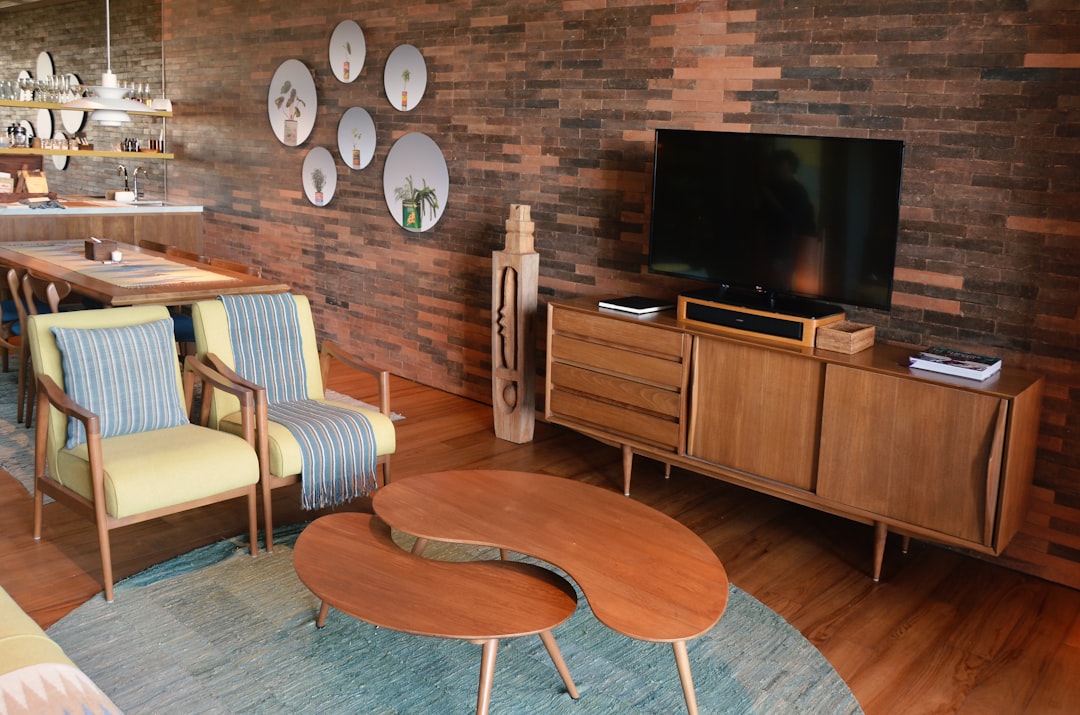
Walking into a mock Scandinavian living room setup, you’ll notice how the sideboard’s proportions can either anchor the space or throw it off balance. A common pitfall in HDB flats is underestimating the wall space — a sideboard that’s too wide leaves no room for floor lamps or plants, while one that’s too narrow feels lost against a 3.5-metre wall. In showroom setups, test fitting against scaled-down mock-ups of typical BTO layouts helps visualise how the piece will sit in your own home.
Most Scandinavian sideboards range from 120cm to 180cm in length, with heights around 75cm to 85cm — low enough to maintain an airy feel in compact spaces. Light wood tones like oak or ash blend seamlessly with neutral walls, while muted blues or sage greens add a subtle pop of colour without overwhelming the room. Pay attention to depth, too; anything over 40cm can make a narrow living room feel cramped, especially in older HDB flats with tighter layouts.
Mock setups often include complementary pieces like armchairs or coffee tables, giving a sense of how the sideboard fits into the overall flow. It’s worth noting that many buyers overlook the importance of legroom — a sideboard with tapered legs creates visual space, making the room feel larger than it actually is. This detail is particularly useful in 12 sqm living rooms, where every centimetre counts.
Bring your own measurements, but don’t forget to account for other elements like wall art or shelving. A sideboard that’s perfectly sized for your wall might leave no space for that favourite framed print or floating shelf you’ve been eyeing. Testing in a showroom lets you see how these pieces interact before committing to a purchase.
Delivery lead times for Scandinavian furniture in Singapore often stretch during peak festive periods — Chinese New Year, Deepavali, and Christmas. Buyers ordering in November might wait six weeks, while January deliveries can arrive in half that time. It’s a quirk of local logistics: warehouses prioritise seasonal stock, and drivers get stretched thin across the island.
Assembly services vary widely. IKEA includes it in their flat-rate delivery fee, while Castlery charges extra — around $120 for a sideboard. Commune, on the other hand, often throws it in for free if you’re spending over $1,500. Always confirm before committing; some retailers assume you’ll handle it yourself, especially for smaller pieces like sideboards.
HDB flats add another layer of complexity. Narrow staircases mean larger pieces often need disassembly — a common issue for sideboards wider than 1.8 metres. Delivery crews will typically take doors off hinges or detach legs, but it’s worth double-checking if your building has tight turns or low ceilings. Condos with cargo lifts tend to be easier, though some older estates in Tampines or Bedok still pose challenges.
Timing matters, too. Midweek deliveries are smoother, avoiding weekend rushes when crews juggle multiple jobs. If you’re working from home, schedule it for a Tuesday or Wednesday — you’ll likely get a narrower time slot and fewer delays. Weekends, especially Saturdays, often mean waiting until late afternoon.
One last tip: don’t underestimate the mess. Assembly can leave behind wood shavings, packing foam, and cardboard scraps. Keep a vacuum handy, and maybe a broom for stray bits that end up under the sofa. It’s not glamorous, but it’s part of the process — especially in a 12 sqm HDB living room where every corner counts.
In a typical HDB living room, the sideboard often doubles as a TV console — which is why buyers in SG forums frequently ask about height. Most Scandinavian sideboards sit at around 50cm to 60cm, designed to align with seated eye level for comfortable viewing. But if your TV is wall-mounted higher, say 70cm to 80cm above the floor, a taller sideboard — or even a low cabinet — might work better. It’s less about strict rules and more about balancing proportions; nobody wants a sideboard that looks like it’s straining to reach the TV.
Pet-friendly finishes are another hot topic, especially for cat owners in compact flats. Scratches on light oak or ash sideboards can feel like a personal affront to your carefully curated Scandinavian aesthetic. Many buyers opt for finishes like laminate or lacquered wood — easier to wipe clean and less prone to visible damage. Some even go for sideboards with metal legs or handles, which tend to hold up better against curious paws. It’s a trade-off: less warmth, more peace of mind.
Humidity damage is a perennial concern in Singapore, and warranties don’t always cover it. Most Scandinavian sideboards are treated for moisture resistance, but prolonged exposure to damp air can still warp untreated wood. Buyers often report that brands like IKEA or Castlery offer better humidity-related warranties compared to smaller retailers — though it’s worth checking the fine print. If you’re in a particularly humid neighbourhood like Bedok or Tampines, consider adding a dehumidifier to the mix.
A sideboard that costs $500 won’t look like one that costs $2,500 — and that’s fine, so long as you know where the differences matter. The $500 version might use rubberwood veneers over particleboard, with drawer glides that stick after two years of humidity. The $2,500 one? Solid oak dovetails, Blum soft-close mechanisms, and enough heft to survive three house moves. Most homeowners in Tampines or Bedok estates land somewhere between, where $1,200–$1,800 buys a decently constructed piece that won’t embarrass you when guests peek behind it.
Scandinavian design’s clean lines tempt buyers to prioritise looks over function — until they realise their new sideboard can’t fit a single serving platter. Measure twice: standard buffet depth is 45cm, but many Singaporean-made versions slim down to 38cm for narrow HDB dining areas. That extra 7cm determines whether you’re storing dinnerware or just coasters.
Timeless beats trendy for a reason. That milky-white lacquer finish trending on Pinterest? It yellows under our equatorial sun within 18 months. Stick to light oak or ash stains; they hide water rings better anyway. And skip the hairpin legs unless you enjoy vacuuming around them weekly.
Budget constraints force compromises, but they shouldn’t dictate regret. A $600 sideboard from IKEA’s Stockholm line often outlasts a $1,500 lookalike from fast-furniture brands — their engineered wood fares better against humidity than cheap solid woods that warp. Meanwhile, local workshops like Commune or FortyTwo offer custom widths for awkward walls, though you’ll pay 20–30% more than showroom prices.
The real test comes when you’re loading it up. A quality sideboard should feel sturdy when you slide in your grandmother’s porcelain — not creak like it’s counting the days until your warranty expires.