In many HDB flats, the dining area is a tight 12 sqm — just enough for a compact Scandinavian table and four chairs. Homeowners often gravitate towards light oak or ash finishes, which don’t overwhelm the space visually. These materials, paired with clean lines and muted tones, create a sense of openness even in smaller layouts.
Condos, with their slightly larger footprints, allow for more flexibility. Here, Scandinavian dining tables often serve as the centrepiece of open-plan living spaces. A popular choice is the extendable design, which folds down to a modest size for daily use but stretches to accommodate guests during gatherings. It’s a practical solution for Singaporean homes, where space is premium but hosting is still a priority.
Humidity-proof finishes are non-negotiable in Singapore’s climate. Many tables feature treated wood or laminates that resist warping and moisture damage. While solid oak remains a favourite for its durability and natural grain, engineered options like rubberwood offer a more budget-friendly alternative without sacrificing the Scandinavian aesthetic.
For those drawn to the hygge lifestyle, the dining table becomes more than just furniture — it’s a space for connection. Furnishing a whole Singapore home in Scandinavian aesthetic requires the wood tones, finishes, and proportions to track across rooms — a stray piece in the wrong stain breaks the entire visual logic. Megafurniture's Scandinavian Furniture collection groups the full range across living room, bedroom, dining, and study under one consistent design language. Light oak, beech, and ash dominate the line, with white-painted variants for buyers who want a brighter Nordic look.. A warm-toned table with soft, rounded edges invites lingering meals and casual conversations. Pair it with neutral upholstered chairs, and you’ve got a setup that feels both modern and cosy.
Storage is another consideration, especially in BTO flats. Some Scandinavian designs incorporate hidden drawers or shelves, perfect for stashing cutlery or table linens. It’s a subtle nod to functional minimalism, where every piece serves a purpose without cluttering the room.
Singapore’s humidity doesn’t just frizz hair—it warps untreated wood within months. Oak handles it best among Scandinavian staples, its tight grain resisting expansion better than ash or beech. But even oak needs help: water-based polyurethane or ceramic coatings prevent that milky haze blooming on tabletops after six months of 32°C nights.
Ash is the middle child—lighter than oak but prone to checking (those hairline cracks along the grain) when humidity swings between monsoon and air-con dryness. It’s cheaper, though, and takes stains well if you’re after that bleached Nordic look. Just avoid oil finishes; they trap moisture against the wood in 80% humidity, encouraging mould in the seams.
Beech warps fastest. It’s the budget pick for dry climates, but in Singapore, even kiln-dried boards start cupping within a year unless sealed with epoxy or lacquer. The upside? It’s harder than oak underfoot—better for dining chairs that’ll get dragged across porcelain tiles daily.
Pet owners should skip wax entirely—claws shred it—and go for matte UV-cured finishes. They’re pricey (adding $200–$400 to a table’s cost) but resist both schnauzer scratches and teh tarik rings. Scandinavian Coffee Table . Castlery’s sintered stone tabletops fake the wood look without the upkeep, though purists argue they lack the warmth of proper timber.
The real test comes during February’s endless drizzle, when unsealed beech develops black speckles along the legs. That’s when buyers regret prioritising Instagram aesthetics over a proper marine-grade sealant.
Solid oak is a classic choice for Scandinavian dining tables, offering exceptional durability and a warm, natural aesthetic. It resists scratches and dents well, making it ideal for daily use. While slightly more expensive than softer woods, its longevity justifies the investment.
Teak veneer provides the look of solid teak at a lower cost, with good resistance to moisture and wear. It’s lighter in weight, simplifying rearrangements, but may require refinishing over time. A budget-friendly alternative for minimalist designs.
Glass tops paired with slender metal or wood frames create an airy, modern Scandinavian feel. They’re easy to clean but prone to visible smudges and chips. Best for low-traffic dining spaces prioritizing visual lightness.
Solid wood tables, typically crafted from oak or beech, offer unmatched durability and timeless appeal. Prices range from $1,800 to $3,500, depending on size and finish. A Scandinavian coffee table earns its place through proportion — never too tall, never too dominant, leaving the sofa as the room's clear visual anchor. Megafurniture's Scandinavian Dining Room range stays low-profile in oak, walnut, and MDF-with-veneer finishes, across rectangular, oval, and round shapes. Most include hidden storage drawers or shelves — useful in compact HDB and condo living rooms where each piece needs to do more than one job.. For BTO upgraders, these tables are a long-term investment, often lasting decades with proper care. The natural grain variations add character, making each piece unique. However, solid wood requires regular maintenance to prevent warping or cracking in Singapore’s humid climate.
Veneer tables, made with a thin layer of real wood over engineered wood, strike a balance between cost and aesthetics. Prices typically fall between $900 and $1,800, making them a favourite among young homeowners. The veneer mimics the look of solid wood while being more resistant to humidity. It’s a practical choice for those who want the Scandinavian aesthetic without the hefty price tag. However, veneer can chip or peel over time, especially at the edges.
Laminate tables are the most budget-friendly, costing between $400 and $1,200. They’re ideal for condo owners furnishing smaller spaces or those prioritising cost over longevity. Modern laminates mimic wood textures convincingly, offering a sleek Scandinavian look. While durable against scratches and stains, laminate lacks the warmth and authenticity of real wood. It’s a practical choice for those who frequently redecorate or move homes.
Beyond the initial purchase, maintenance costs vary significantly by material. Solid wood requires regular polishing and occasional refinishing, adding $50 to $100 annually. Veneer needs less upkeep but may require touch-ups for scratches. Laminate, on the other hand, is virtually maintenance-free but can’t be repaired if damaged. For BTO upgraders planning to keep their table for years, solid wood’s higher maintenance costs are often justified.
Solid wood tables hold their value best, often reselling for 50–70% of their original price. Veneer tables retain some value, typically around 30–40%, while laminate tables depreciate quickly. For condo owners viewing furniture as an investment, solid wood is the clear winner. However, laminate’s low upfront cost makes it appealing for those who prioritise flexibility over long-term value. In Singapore’s market, the choice often boils down to budget versus longevity.
A sleek Scandinavian dining table in solid oak arrives at a Tampines BTO flat, only to dominate the 12 sqm dining area — leaving barely enough space to pull out chairs. It’s a common misstep; buyers often underestimate how a table’s footprint, typically 10–15% larger with chairs pulled out, overwhelms compact Singaporean spaces. Measure twice, buy once: for smaller rooms, consider extendable designs or round tables that maximise floor space.
Neglecting humidity-proof finishes is a costly oversight. Singapore’s tropical climate can warp untreated wood within months, especially in non-air-conditioned spaces. Look for tables with moisture-resistant coatings or materials like sintered stone tops paired with solid wood legs. Scandinavian Dining Set . It’s a small premium that saves you from warping and discolouration down the line.
Returns are a hassle, especially for bulky items. Before committing, check the retailer’s return policy — some charge restocking fees or don’t offer free pickup. Better yet, visit showrooms like IKEA or Castlery to test the table’s height and chair clearance in person. A little due diligence goes a long way in avoiding headaches.
Mismatched wood tones are another frequent headache. A buyer pairs a light ash dining table with a darker teak TV console, creating a disjointed look that clashes with the Scandinavian aesthetic’s harmony. Stick to similar undertones — warm or cool — across furniture pieces. If you’re mixing woods, keep them within two shades of each other for a cohesive feel.
Buyer’s remorse often stems from impulse purchases. A Pinterest-perfect table might catch your eye, but if it doesn’t fit your lifestyle — think family meals versus solo dining — it’ll end up collecting dust. Take time to assess your needs; a smaller, functional table you actually use beats a showpiece that doesn’t suit your routine.
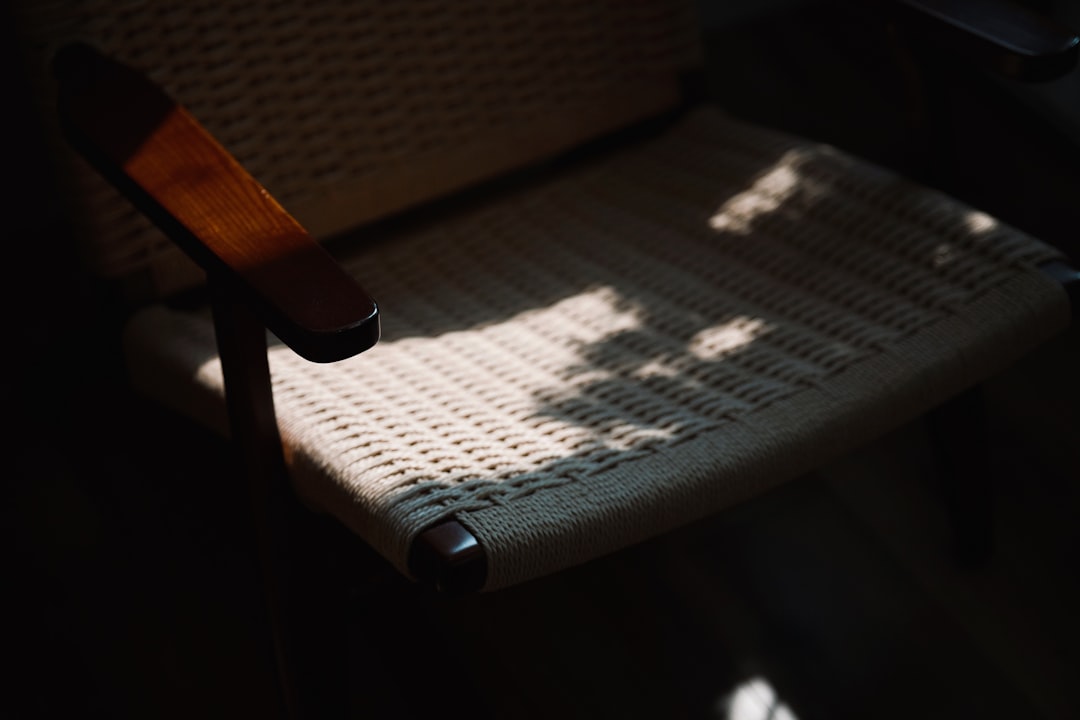
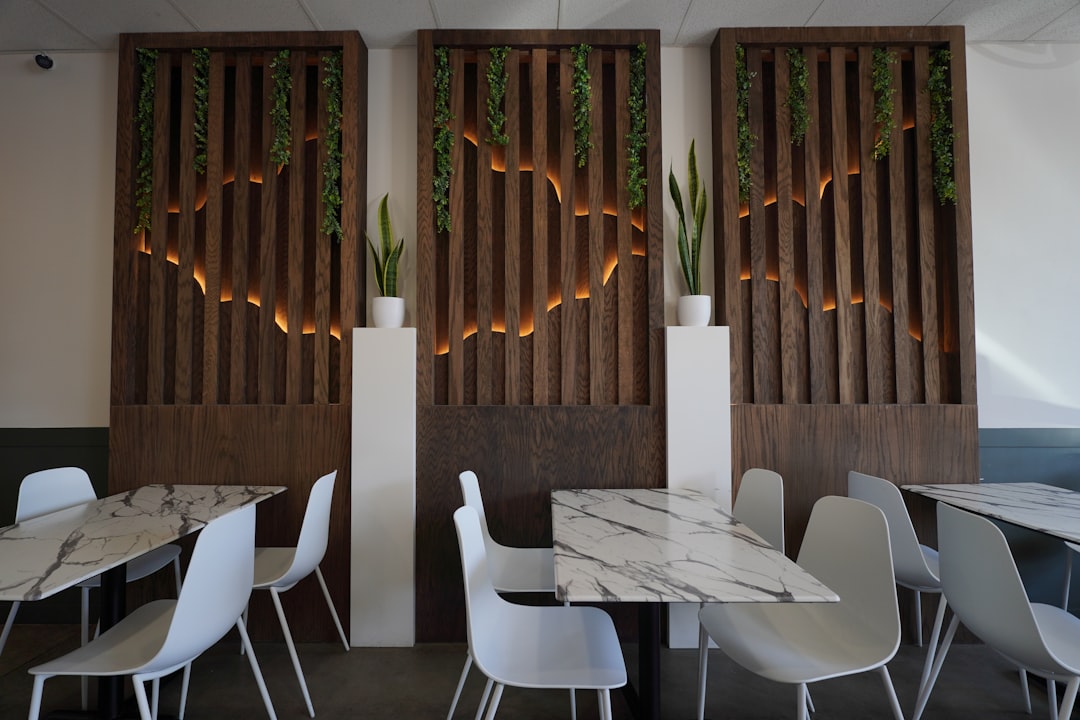
Most Scandinavian dining tables look great online — but it’s only when you run a hand across the surface that you notice the grain feels off, or the legs wobble under a slight push. That’s where hands-on showroom experiences come in. At Megafurniture’s Joo Seng and Tampines locations, buyers can test materials directly — from the smooth finish of oak to the subtle texture of ash — ensuring the table matches both aesthetic preferences and daily wear. It’s one thing to admire a piece in a Pinterest mood board; it’s another to see how it holds up to a toddler’s sticky fingers or a hot bowl of soup.
Assembly demos in the showrooms are particularly useful for those navigating compact HDB layouts. You’ll see how the table fits together — or doesn’t — in tight spaces, avoiding the frustration of discovering a leg won’t clear your sofa armrest after delivery. Staff walk you through the process, pointing out quirks like whether the screws are prone to stripping or if the legs require frequent tightening. Scandinavian Dining Table . It’s a level of detail online descriptions rarely cover.
Warranty consultations are another key feature. Many buyers don’t realise warranties for Scandinavian furniture often exclude water damage or scratches — common issues in humid Singapore. At the showroom, you’ll get clarity on what’s covered, how to claim, and whether extended protection is worth it. It’s peace of mind you can’t get from scrolling through product pages.
For design-conscious homeowners, these showrooms bridge the gap between inspiration and reality. You’re not just buying a table — you’re ensuring it’ll last through years of meals, work-from-home setups, and family gatherings. And with Scandinavian pieces often costing $1,200 to $2,400, that assurance is worth the trip.
Delivery timelines for Scandinavian dining tables in Singapore typically range from 7 to 21 days, depending on whether the piece is in stock locally or shipped from overseas. Flat-pack assembly is common — especially for HDB flats, where lifts often max out at 2.1m height and narrow corridors complicate manoeuvring. Most retailers include basic assembly services, though condo deliveries sometimes face additional hurdles; some estates require advance booking of loading bay slots, which can delay setup by a day or two.
Humidity-proofing is a key consideration for Scandinavian furniture in Singapore’s tropical climate. Many retailers offer warranties against warping or discolouration, typically covering 1 to 3 years. Solid oak and ash tables fare better than cheaper veneers, but even these need occasional upkeep — a yearly coat of beeswax or teak oil helps maintain their finish. Some buyers opt for treated wood options, though these often come at a 15–20% premium.
Assembly quirks vary by retailer. Ikea’s DIY approach suits budget-conscious buyers, while brands like Castlery and FortyTwo include professional setup in their delivery fees. For HDB flats, check lift dimensions beforehand; some dining tables arrive in two parts for easier transport. Condo deliveries usually involve more paperwork — expect to submit proof of residence and book the service lift slot well in advance.
Long-term wear depends as much on placement as materials. Scandinavian tables in Singapore’s living-dining setups often double as workstations or study areas, which accelerates wear on the surface. The Scandinavian dining room is built for daily family meals more than entertaining a crowd — light-wood tables, ergonomic chairs, neutral textiles. Megafurniture's Scandinavian Dining Chair collection covers tables, chairs, benches, sideboards, and buffet hutches in coordinated finishes. Complete sets typically start around $500, scaling up based on table size and material grade.. Opting for tempered glass or ceramic coasters helps minimise water rings, while felt pads under laptops prevent scratches. Some buyers swear by table runners, though purists argue they defeat the minimalist aesthetic.
Most HDB buyers don’t realise lifts can’t handle furniture taller than 2.1 metres — a common oversight when ordering Scandinavian dining tables. Measure twice; delivery trucks won’t wait while you argue with the liftman.
Humidity wreaks havoc on untreated wood. If you’re eyeing ash or oak dining tables, invest in a dehumidifier or wood conditioner. IKEA’s BEHANDLA oil works, but weekly wiping with a dry cloth does more than most realise.
Local bed sizing can trip up buyers. Scandinavian designs often run longer than Singapore’s standard queen size (183cm x 152cm). Check dimensions before ordering — mismatched bed frames and mattresses are a headache nobody needs.
Storage solutions in HDB flats need to pull double duty. FortyTwo’s modular cabinets or IKEA’s KALLAX units fit snugly into tight corners. Wall-mounted shelves save floor space, though drilling into HDB walls requires HDB approval — another detail many forget.
Rubberwood tables might seem budget-friendly, but they’re prone to warping in Singapore’s climate. Sintered stone tops, like those from Castlery, handle humidity better while mimicking Scandinavian aesthetics. Just don’t expect them to warm up a room the way oak does.
Scandinavian dining table leg styles: Which suits your needs?
In a 12 sqm HDB living room, a Scandinavian dining table often doubles as a workspace — which means buyer’s remorse hits twice as hard if the dimensions are off. Measure your space twice, then add 60cm clearance for chairs; a 1.5m table typically fits four comfortably, while a 1.8m stretches to six. For condos with open layouts, a 2m table anchors the dining area without overwhelming the room, but don’t forget to account for pendant lights — they’ll hang 75cm above the surface.
Material durability matters more than most buyers realise. Oak and ash tables, common in Scandinavian designs, hold up well against daily wear, though oak tends to darken over time. Beech’s lighter tone stays consistent, but it’s softer — a spill left too long might leave a mark. For households with kids, look for tables treated with water-resistant sealants; they’ll handle juice spills better than untreated wood.
Cost alignment can be tricky — prices range from $1,200 for a basic oak table to $2,400 for one with extendable leaves or built-in storage. If you’re stretching your budget, skip the extras; a simple, well-made table often outlasts trendier designs. Before finalising, visit showrooms to test the table’s height — 75cm is standard, but taller chairs might need a 78cm surface. Bring a tape measure, check the finish under showroom lights, and ask about delivery timelines; some stores quote four weeks, others eight.