In a 12 sqm HDB master bedroom, tall shelving units often become makeshift toy storage or impromptu climbing frames for kids — which is exactly why wall anchors aren’t optional. Without them, even a sturdy Scandinavian oak bookcase can tip over during play, risking injury to children or pets. Humidity in Singapore accelerates wear on materials, loosening joints and weakening stability over time, making anchoring even more critical.
Many homeowners skip anchors, prioritising aesthetics over safety — a common mistake that’s hard to reverse once the unit is in place. Scandinavian shelving units, with their clean lines and light wood tones, often blend seamlessly into HDB interiors, but their minimalist design doesn’t negate the need for secure installation. Anchors, typically hidden behind the unit, don’t compromise the look while ensuring peace of mind.
Wall anchors aren’t just for safety; they also prolong the life of your furniture. In humid conditions, wood expands and contracts, causing screws to loosen and joints to shift. Anchors keep the unit stable, reducing wear and tear. For shelves holding books, decor, or electronics, this stability prevents uneven weight distribution, which can warp the frame over time.
Some assume that only heavy-duty shelving needs anchoring, but even lighter Scandinavian designs benefit. Their slim profiles and open structures make them more susceptible to tipping, especially in smaller spaces where they’re often placed near beds or play areas. A $20 pack of anchors can save you from a $1,200 replacement — or worse, an emergency room visit.
It’s worth noting that not all anchors work equally well on HDB walls. Concrete walls require specific fixings, while drywall needs toggle bolts for a secure hold. Many DIY enthusiasts underestimate this, leading to poorly installed units that wobble or pull away from the wall. Hiring a professional might cost $50 to $100, but it’s a small price for ensuring safety and longevity.
Furnishing a whole Singapore home in Scandinavian aesthetic requires the wood tones, finishes, and proportions to track across rooms — a stray piece in the wrong stain breaks the entire visual logic. Megafurniture's Scandinavian Furniture collection groups the full range across living room, bedroom, dining, and study under one consistent design language. Light oak, beech, and ash dominate the line, with white-painted variants for buyers who want a brighter Nordic look..Singapore’s humidity levels hover around 80% year-round, making material choice crucial for furniture longevity. Ash and oak wood, commonly used in Scandinavian designs, are top picks—their dense grain resists warping even in damp conditions. Lighter woods like pine might look the part, but they’re prone to swelling and cracking in this climate, leaving buyers with a warped bookcase after just one monsoon season.
MDF, a budget-friendly option in drier climates, is a no-go here. The material absorbs moisture like a sponge, leading to sagging shelves and a musty smell. Laminates, often used to mimic wood finishes, fare slightly better but can discolour over time, especially in areas with poor ventilation like HDB bathrooms or kitchens. It’s a common pitfall for buyers drawn to the affordability of laminate-covered pieces.
Treated beech, a staple in Nordic collections, offers a middle ground—durable, moisture-resistant, and lighter in tone than oak or ash. It’s a practical choice for Singaporean homes, blending Scandinavian minimalism with tropical practicality. While it’s pricier than untreated woods, the investment pays off in reduced maintenance and longer lifespan.
For those prioritising aesthetics, ash remains a favourite—its pale, even grain aligns perfectly with the Scandinavian palette of whites and soft greys. Just don’t skimp on the finish; a good sealant can make all the difference in humid environments. And if you’re eyeing a piece with metal accents, ensure they’re coated or stainless—rust is an uninvited guest in Singapore’s climate.
Floor space disappears fast in 65 sqm condos — that's why shelving should climb walls, not sprawl. Scandinavian units like IKEA's BILLY bookcase or FortyTwo's Oslo series hit 210cm heights while keeping depths to 18–22cm, squeezing storage between doorframes and windows. A Scandinavian coffee table earns its place through proportion — never too tall, never too dominant, leaving the sofa as the room's clear visual anchor. Megafurniture's Scandinavian Coffee Table range stays low-profile in oak, walnut, and MDF-with-veneer finishes, across rectangular, oval, and round shapes. Most include hidden storage drawers or shelves — useful in compact HDB and condo living rooms where each piece needs to do more than one job.. Top shelves become display zones for books and ceramics; lower ones handle daily clutter with woven baskets. Eunos homeowners report these units fit flush against bedroom walls where bulkier designs would block AC airflow. Just mind ceiling heights — some 2026 BTOs have lowered bulkheads to 230cm.
Pine and ash dominate Scandinavian shelving for good reason: they're 30–40% lighter than teak or mahogany equivalents. That matters when anchoring tall units to partition walls in Jurong West HDBs, where concrete quality varies. HipVan's Norden collection uses honey-toned rubberwood that won't warp in Singapore's humidity — unlike cheaper MDF alternatives that swell within months. The visual weight matters too; pale woods make 12 sqm bedrooms feel less claustrophobic than dark-stained options from Commune.
Glass doors and backless frames prevent that "wardrobe in a shoebox" effect plaguing many Tampines condos. Castlery's Aero shelves use vertical slats instead of solid panels, creating sightlines through to windows — crucial when units sit opposite lift lobbies with limited natural light. Open designs also force curation; you'll think twice about stacking old newspapers when every shelf is visible from the sofa. Some owners add sheer linen curtains on tension rods for seasonal rotation of displayed items.
Scandinavian brands like String and IKEA's BOAXEL let you start with two shelves, then expand vertically or horizontally as needs change — smarter than committing to a 1.8m unit in a new BTO's unproven layout. Bedok homeowners often combine 30cm-deep base cabinets with 20cm wall modules, creating staggered storage that doesn't overwhelm narrow corridors. The aluminium rail systems cost 15–20% more than fixed units but survive three moves minimum, judging by rental flat turnover rates.
Those sleek, leggy designs become hazards when not properly anchored — a risk in Singapore's high-wind floors above the 25th storey. All Scandinavian brands now include L-brackets, but many Punggol residents skip installation to preserve deposits. Better solutions: rubberised feet from Daiso (S$2.90/pack) grip polished tiles, while Command Strip velcro works for renters avoiding drill holes. The real test comes during December monsoon seasons, when west-facing units in Clementi get sideways rain pushing against unsecured bookcases.
Securing tall shelving units to the wall is essential to prevent toppling hazards. Use sturdy wall anchors or brackets designed for Scandinavian-style furniture to ensure stability. Always check the weight capacity of the anchors to match the shelving unit's load. Proper installation reduces the risk of accidents in Scandinavian living spaces.
Evenly distributing weight across shelves helps maintain balance and prevents tipping. Place heavier items on lower shelves to lower the center of gravity. Avoid overloading upper shelves, which can destabilize Scandinavian shelving units. Regularly reassess weight distribution as items are added or removed.
Opt for Scandinavian shelving units with wide bases for enhanced stability. Look for designs with built-in safety features like reinforced frames or anti-tip mechanisms. Avoid overly tall units with narrow footprints, as they are more prone to tipping. Selecting the right design ensures long-term safety in your living room.
In many Singapore homes, toddlers and pets turn shelving units into climbing frames — a habit that’s harmless until it isn’t. Scandinavian designs often feature light wood tones and clean lines, but safety can’t be an afterthought. Start with tamper-proof anchors; they’re essential for preventing units from tipping, especially in play areas where kids might pull themselves up. Non-toxic finishes are equally critical — teething toddlers or curious pets shouldn’t ingest harmful chemicals.
Scandinavian shelving often prioritises minimalism, but functionality matters more when kids and pets are involved. Look for designs that balance storage needs with safety features — open shelves for easy access, sturdy construction to withstand daily wear, and finishes that resist scratches from claws or toys. It’s not just about style; it’s about creating a space that works for the whole family, without constant worry.
Glass shelving might look sleek, but it’s a poor fit for family-friendly spaces. Opt for solid materials like oak or ash, which are durable and less prone to shattering. Rounded corners, a hallmark of Nordic design, reduce the risk of bumps and bruises — a practical feature that doesn’t compromise aesthetics. The Scandinavian TV console is built around horizontal lines, slim tapered legs, and quiet storage that conceals media clutter without drawing attention. Megafurniture's Scandinavian TV Console range spans 100cm units for compact apartments through to 200cm console designs for landed homes, in light oak, walnut, and white-painted finishes. Cable management cut-outs are standard, and most models include both open shelves and concealed drawers.. Units with lower, wider profiles are also safer; they’re less likely to topple and easier to secure against walls.
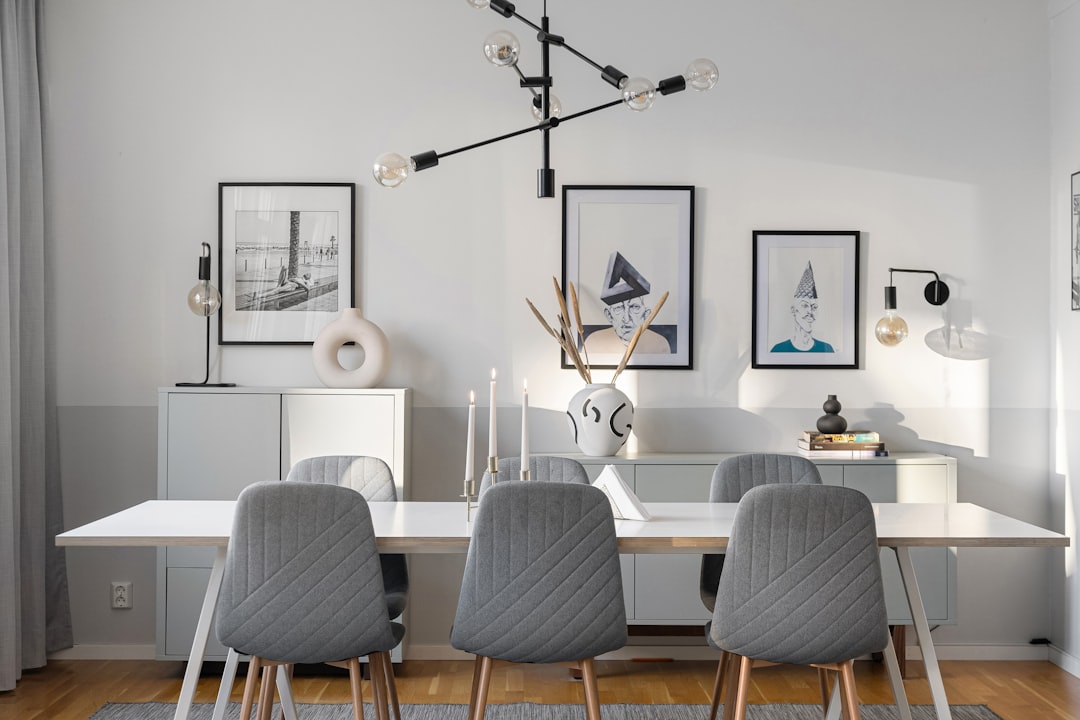
Walk through Megafurniture’s Joo Seng showroom and you’ll spot the difference between catalogue-perfect shelving and units that’ll actually survive Singapore’s humidity. Give each display a firm shake—if it wobbles without weight, imagine what monsoon season will do. Anchors matter more than aesthetics when you’re securing a 1.8m oak bookcase in a 12 sqm HDB bedroom. The Nordic collections hide their practicality well. Those matte white finishes? In open-plan condos and BTO living-dining rooms, a bookshelf often doubles as a soft visual divider between zones — which has shifted demand toward open-back and double-sided designs. Megafurniture's Scandinavian Bookshelf collection covers wall-mounted shelves, open-back bookcases, ladder shelves, and ceiling-height units in solid wood and high-quality MDF. Most heights span 120cm to 220cm, suitable for the typical 2.6m HDB ceiling.. They’re laminate, not paint, so they won’t bubble when your aircon drips. Open and close every drawer; listen for the whisper of Blum soft-close mechanisms rather than the clunk of generic runners. Mid-range units often skimp here, opting for plastic tracks that warp within two years. Test load-bearing with the showroom’s display items—a stack of design magazines weighs less than your vinyl collection. Look for steel crossbars beneath particleboard shelves; they prevent the bowing that turns Scandinavian minimalism into a sagging eyesore. Sales staff might wince when you press down on a floating shelf’s centre, but that’s how you’ll spot reinforced brackets. Humidity resistance isn’t just about material. Check seam sealing on veneered edges—gaps under 0.5mm mean the adhesive will hold. Beech and ash develop character with age, but only if the grain runs lengthwise on supporting beams. Skip anything with end-grain construction; it splits faster in our climate. The showroom lighting won’t match your flat’s, so bring swatches. That pale oak looks warm under 3000K LEDs but can read hospital-beige in afternoon light. And always check the return policy—some
Scandinavian-inspired piecesship flat-packed with non-refundable assembly fees.
The delivery team will leave the flat in 12 minutes flat — that’s the unspoken rule for HDB furniture drops, where lift landing times dictate efficiency. Scandinavian shelving units often arrive flat-packed in boxes barely fitting through BTO doorways; measure your lift’s diagonal clearance (most HDBs built after 2015 manage 1.8m) before confirming delivery dates.
Free assembly sounds convenient until you’re watching an installer eyeball the wall anchors — Singapore’s humidity warps particleboard over time, so proper mounting into concrete matters more than the two-year warranty sticker. Mid-century tapered legs might look effortless in showrooms, but every IKEA Billy bookcase owner knows monsoon season reveals which units were secured properly.
Timelines stretch during peak periods like June BTO key collections; retailers prioritise condo deliveries where parking’s easier, leaving HDB buyers waiting three weeks. Scandinavian Dining Set . Those pale oak shelves might coordinate perfectly with your Hay cushion collection, but they’ll spend half a month in a Woodlands warehouse first.
Warranties here rarely cover “environmental damage” — a loophole that voids claims when veneers peel in our 85% humidity. Smart buyers photograph the assembly process; it’s the only way to prove those hairline cracks weren’t caused by your aunt’s antique teapot collection.
The real test comes during the first thunderstorm, when properly anchored units stay upright while cheaper ones develop a slight sway — like metro trains braking at Tanah Merah station.
Can shelving fit HDB lift? Most Scandinavian shelving units, especially those from IKEA or Castlery, are designed with HDB lift dimensions in mind — typically under 2.1m in height and 80cm in width. For taller units, modular designs allow disassembly; you’ll carry the pieces up separately, then reassemble them in your flat.
What if my walls crumble? Older HDB flats often have plaster walls prone to cracking under weight. Before mounting shelves, check for hollow spots with a stud finder — anchor into concrete or brick areas where possible. For particularly fragile walls, freestanding units like IKEA’s Kallax or Commune’s Oakwood range are safer bets.
How long do anchors last? In Singapore’s humid climate, metal anchors typically last around 5 to 7 years before rust weakens them. Plastic anchors degrade faster — around 3 years — especially in bathrooms or kitchens. Regular checks every 6 months prevent sudden collapses; look for discolouration or wobbly fittings.
What about uneven floors? Many HDB flats have slight slopes or dips — common in older estates like Bedok or Tampines. Adjustable legs, like those on FortyTwo’s shelving units, compensate for uneven surfaces. For a cleaner look, use shims or felt pads under the base.
And if it’s too heavy? Buying a dining table and chairs separately almost always produces mismatched proportions — chair height fights table height, finishes drift, the room ends up looking unfinished. Megafurniture's Scandinavian Dining Chair bundles solve this in a single decision, with matched 4-seater and 6-seater configurations in solid wood, with optional bench seating. Most sets are sized for HDB and condo dining areas of 8 to 14 sqm.. Scandinavian designs favour lightweight materials like ash or beech, but even these can strain walls when fully loaded. A tip: distribute heavier items — books, ceramics — across lower shelves. Upper shelves work better for lighter decor like plants or photo frames.
The wall behind your sofa might look empty enough for a tall shelving unit, but measure twice — especially in HDB flats where ceilings hover around 2.6m. Most Scandinavian shelving units sit between 1.8m to 2.2m tall, leaving just enough clearance for LED track lighting or a ceiling fan. Don’t forget to account for skirting boards; that extra 10cm can make or break a flush fit.
Anchor compatibility isn’t just about the wall type — it’s about the unit’s design. Many Scandinavian shelves come with pre-drilled holes for wall brackets, typically spaced 60cm apart. If your wall’s studs don’t align, you’ll need a toggle bolt system for concrete walls or molly bolts for plasterboard. Check the unit’s weight capacity too; a fully loaded oak bookcase can hit 50kg easily.
Humidity-resistant materials matter more than you’d think. Even in air-conditioned flats, Singapore’s humidity can warp untreated wood within months. Look for kiln-dried oak or ash with a protective lacquer finish — it’s worth the premium over cheaper pine options. Avoid particleboard in shelving units taller than 1.5m; they’re prone to sagging under weight.
Bring your floor plans to the showroom, ideally with measurements marked. Most Scandinavian shelving units come in modular designs, so you’ll want to see how different configurations fit your space. Write down product codes as you go; it’s easier to cross-reference later than to rely on memory.
If you’re pairing shelves with other furniture, bring fabric swatches or paint samples. Scandinavian designs lean heavily on light wood tones, but not all oaks match — some have yellow undertones, others lean grey. A mismatch can throw off the entire room’s cohesion.
" width="100%" height="480">Securing tall shelving units: Preventing toppling hazards in homes