In Singapore’s humidity, untreated oak shelving can warp within months — a common frustration for homeowners drawn to Scandinavian aesthetics. Light wood tones like ash and beech are staples of Nordic design, but here, they need careful treatment to withstand the tropical climate. Treated oak, in particular, has become a go-to for its durability and resistance to moisture, ensuring shelves stay straight and functional even in 80% humidity.
Compact HDB flats often demand slimline designs that maximise space without overwhelming the room. A 12 sqm bedroom, for instance, benefits from shelving units under 30 cm deep, leaving enough floor space for movement while still offering storage. Many homeowners pair these with neutral-toned baskets or boxes, blending practicality with the clean lines typical of Scandinavian furniture.
Colour palettes matter too. Shelving in soft greys or muted blues complements the light wood tones, creating a cohesive look that aligns with the hygge aesthetic. It’s a subtle nod to Nordic design principles, adapted for local conditions — think less stark white, more warm neutrals that don’t show dust as easily in Singapore’s urban environment.
Budget-wise, treated wood shelving typically ranges from $1,200 to $2,400, depending on size and craftsmanship. While it’s a higher upfront cost compared to untreated options, the longevity makes it a smarter investment for those prioritising both style and durability. And with Singapore’s humidity showing no signs of easing, it’s a choice that pays off in the long run.
In a 12 sqm HDB master bedroom, overcrowded shelves often become the first casualty of poor planning — books stacked haphazardly, trinkets spilling onto surfaces, and a general sense of visual chaos that undermines Scandinavian minimalism. The key lies in curation, not accumulation. Modular shelving units, particularly those with adjustable compartments, allow homeowners to adapt storage as needs change without sacrificing the clean lines that define this aesthetic.
Megafurniture’s modular designs, for instance, offer a practical solution: shelves can be reconfigured to accommodate everything from hardcovers to decorative plants, keeping surfaces tidy and purposeful. The trick is to limit displays to a few thoughtfully chosen items — a stack of three books, a single ceramic vase, or a trailing pothos plant — rather than cramming every inch with clutter. This approach not only preserves the room’s airy feel but also ensures that each piece gets its moment to shine.
Colour coordination plays a subtle yet crucial role. Stick to a muted palette — think soft greys, whites, and sage greens — to maintain harmony across the space. Avoid mixing too many textures or materials; a combination of light wood tones and neutral finishes works best in smaller rooms. It’s worth noting that many Singaporeans opt for open shelving over closed cabinets, which can feel oppressive in tight quarters — though open designs do require more discipline in keeping things organised.
Finally, consider vertical space. Tall, narrow shelving units draw the eye upward, creating the illusion of height in low-ceilinged HDB flats. Pair these with a few wall-mounted hooks or floating shelves for additional storage without encroaching on floor space. The result is a room that feels both functional and serene, even in the heart of a bustling neighbourhood like Tampines or Bedok.
Scandinavian design thrives on minimalism, but stuffing shelves with too many items creates visual chaos. Leave breathing room between objects to maintain clean lines and airy simplicity. A few curated pieces per shelf enhance the serene, uncluttered aesthetic.
Mixing warm oak with cool pine or dark walnut disrupts the cohesive Scandinavian palette. Stick to light, neutral wood finishes for harmony. Consistency in material tones reinforces the natural, understated elegance of the style.
Rigid symmetry feels contrived in Scandinavian spaces, which favor organic balance. Stagger heights and groupings for effortless flow. Asymmetry mimics nature’s imperfections, key to the style’s relaxed vibe.
Scandinavian shelving thrives on soft hues — think whites, greys, and beiges. These tones create a calming backdrop, essential for small spaces like BTO flats. Bold colours disrupt the harmony, making rooms feel chaotic rather than cohesive. Light oak or ash shelves paired with neutral tones maintain that airy, uncluttered look. In many Singapore homes, these shades help balance the tropical heat with cooler, Nordic-inspired interiors.
Pairing shelving with textured fabrics enhances the Scandinavian aesthetic. Linen cushions, wool throws, or cotton drapes add warmth without overwhelming the space. These materials contrast beautifully with clean-lined shelves, creating visual interest. In condos, this mix softens hard surfaces like tiles and glass. It’s a subtle way to introduce depth while keeping the palette neutral.
Incorporating greenery or wood accents complements Scandinavian shelving perfectly. A potted fern or eucalyptus sprig on a shelf brings life to the muted tones. Light wood frames or rattan baskets add organic warmth without straying from the minimalist ethos. These touches are especially effective in Singapore, where indoor plants thrive in the humid climate.
Scandinavian design prioritises utility without clutter. Shelves should serve a purpose — storing books, displaying ceramics, or organising daily essentials. Avoid overcrowding; leave space between items to maintain that clean, minimalist look. In compact HDB flats, this approach maximises storage while keeping the room feeling open and breathable.
Lighting plays a crucial role in showcasing neutral shelving. Soft, diffused light enhances the muted tones, creating a cosy atmosphere. Avoid harsh overhead lights; instead, opt for floor lamps or pendant lights with warm bulbs. In Singapore’s bright daylight, sheer curtains can filter sunlight, ensuring the shelves don’t appear washed out.
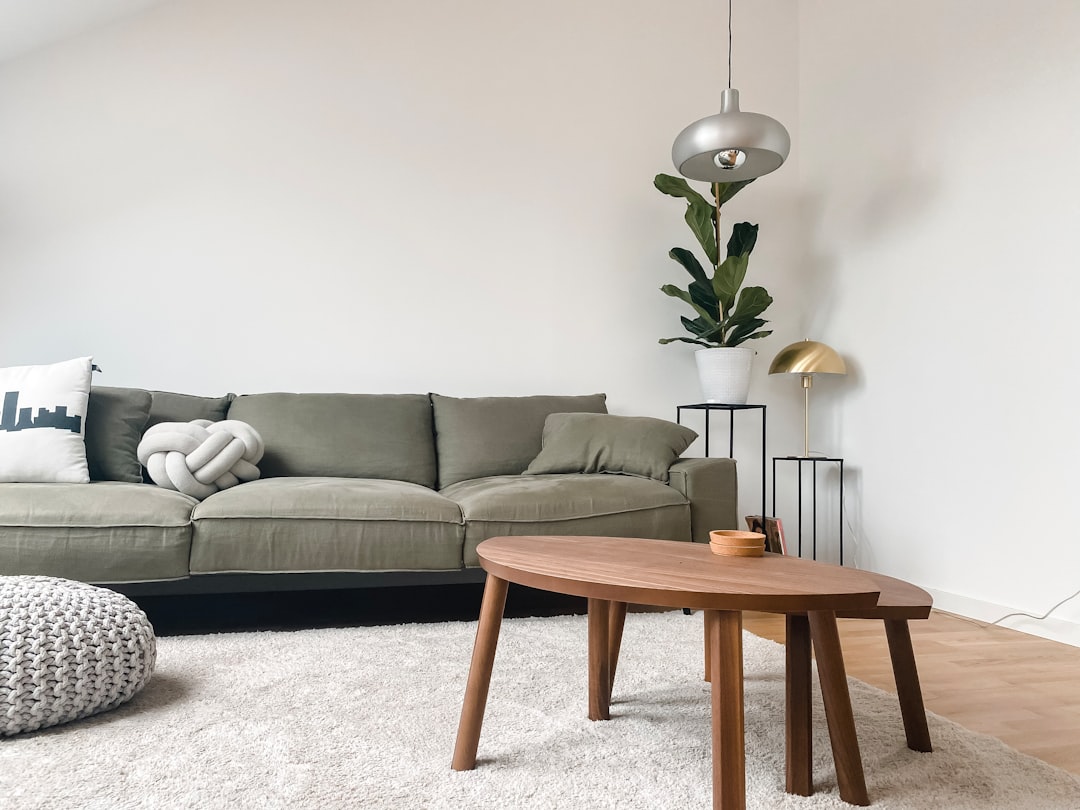
In a typical 4-room BTO flat, the living room often doubles as a workspace, dining area, and storage hub—yet clutter is the enemy of Scandinavian design. A crowded shelf laden with decorative trinkets doesn’t just look messy; it clashes with the clean, airy ethos of Nordic interiors. Instead, opt for functional items that serve a purpose while enhancing the space: a stack of well-loved books, a trailing pothos plant, or a ceramic vase that holds fresh flowers.
The challenge lies in resisting the urge to over-decorate. A single sculptural object or a curated collection of ceramics can elevate the look, but too many ornaments disrupt the balance. Plants, in particular, are a favourite—they add life and texture without detracting from the minimalist vibe. A trailing ivy or a fiddle-leaf fig in a simple terracotta pot can transform a bare corner into a serene retreat.
Scandinavian shelving units are designed to blend utility with aesthetics—think light oak or ash frames paired with neutral tones. These pieces aren’t just storage solutions; they’re visual anchors that organise the room without overwhelming it. In many homes, a slim, wall-mounted shelf above a sofa or desk becomes a focal point, showcasing essentials while keeping the floor space open. It’s a practical approach that feels intentional, not accidental.
Clean-lined shelving complements this philosophy perfectly, offering storage that’s both functional and stylish. Whether it’s a modular unit in a compact HDB or a freestanding bookcase in a condo, the key is to keep it purposeful. Every item should earn its place—no excess, no fuss.
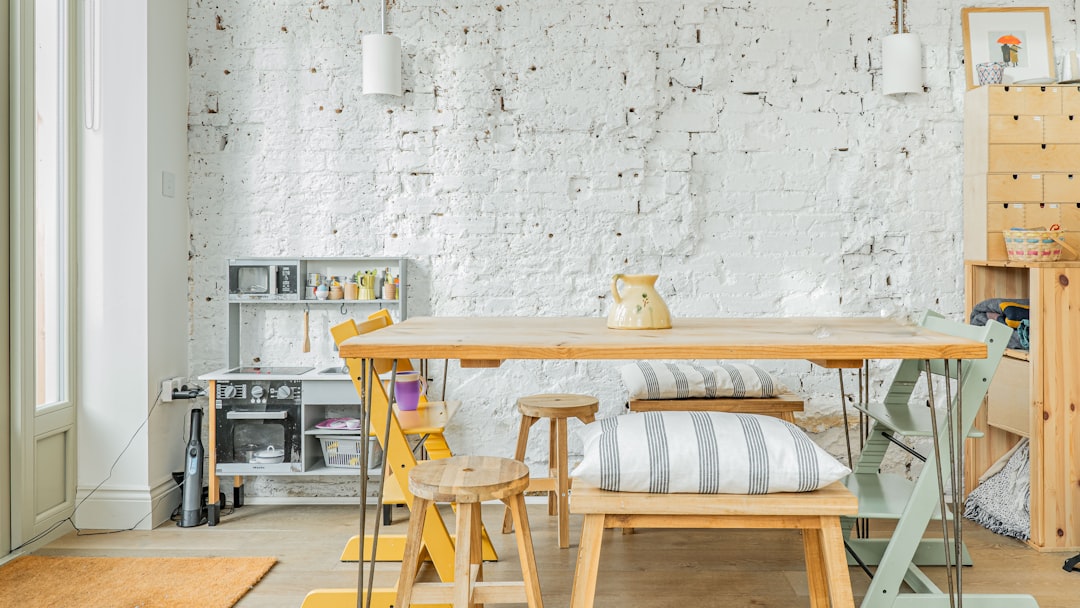
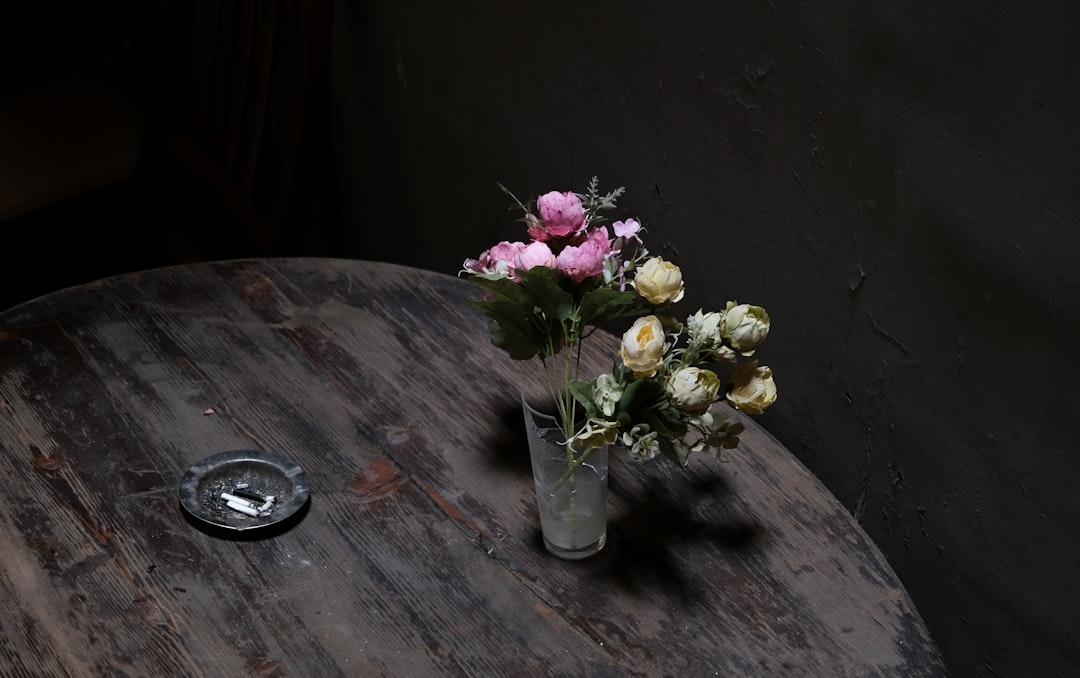
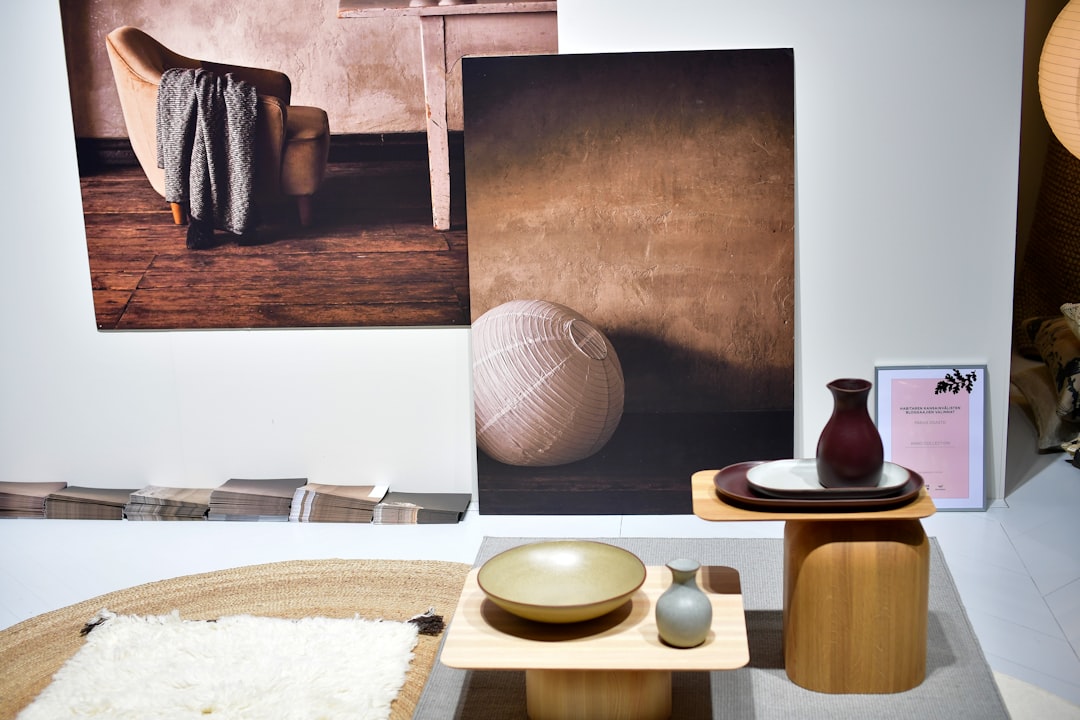
In Singapore’s compact HDB flats, a dark wood shelving unit can feel like a wardrobe-sized monolith — oppressive, not inviting. Light wood tones, though, bring a sense of airiness that’s essential for making small spaces feel liveable. Beech and ash, with their pale, honeyed hues, are particularly well-suited to Scandinavian shelving designs; they reflect light rather than absorbing it, which is crucial in rooms where every square metre counts.
Scandinavian shelving units often feature clean lines and minimal ornamentation, but it’s the wood finish that sets the tone. Dark stains or walnut finishes, while popular in larger homes overseas, can overwhelm Singapore’s typically smaller living rooms. Light woods, on the other hand, create a visual lightness that complements neutral palettes — think whites, soft greys, and muted blues — without competing for attention. It’s a subtle trick, but one that makes a room feel more open and less cluttered.
For design-conscious homeowners, the choice of wood isn’t just about aesthetics; it’s also about practicality. Light-toned shelving units tend to show less dust and scratches compared to darker finishes, which can be a lifesaver in humid climates where cleaning is a near-daily chore. Beech, in particular, is a favourite for its durability and fine grain, making it a practical choice for everyday use.
While IKEA’s birch plywood shelves have long been a go-to for budget-conscious buyers, local retailers like Megafurniture have stepped up their offerings with sleeker designs in ash and beech. These pieces often come with modular options, allowing buyers to customise shelving layouts to fit their space — a boon for those dealing with awkward corners or low ceilings. It’s a thoughtful approach that balances form and function, and one that’s increasingly popular in Singapore’s design-savvy neighbourhoods.
Delivery day in a Singapore HDB flat often feels like a logistical puzzle — lift lobbies are narrow, parking spaces limited, and neighbours quick to complain about noise. Scandinavian shelving units, with their clean lines and modular designs, should slide seamlessly into place, but that’s rarely the case without professional help. Local delivery services, especially those familiar with HDB layouts, can navigate the tight corners of Eunos or Bedok estates with ease, ensuring your ash wood bookcase arrives unscratched.
Assembly is another hurdle. DIY instructions, even from reliable brands, can leave buyers staring at a pile of screws and panels for hours. Professional assemblers not only save time but also ensure the unit’s stability — a critical factor in homes with young children or pets. Many services now include warranties for shelving units, covering everything from warped wood to loose fittings, which is particularly reassuring in Singapore’s humid climate.
For condo dwellers, the process is slightly smoother — wider corridors and dedicated loading bays make delivery less stressful. Still, assembly remains a common pain point, especially for larger units like modular bookcases or wall-mounted shelves. Some buyers opt for pre-assembled pieces, though these can struggle to fit into lifts or stairwells in older condos like those around Tanah Merah.
The choice of delivery and assembly services often comes down to trust. Buyers want assurance that their Scandinavian shelving unit, carefully chosen to complement a neutral palette or muted blue accent wall, will arrive on time and in perfect condition. It’s not just about convenience — it’s about preserving the hygge aesthetic from the moment the unit enters your home.
The measuring tape never lies—but homeowners often do. That "3.2m wall" in your BTO flat shrinks to 2.8m once you account for skirting boards and uneven plasterwork. Before heading to Megafurniture's Joo Seng showroom, sketch your room with exact dimensions including ceiling height (most HDBs hover around 2.6m). Humidity matters more than brochures admit; solid oak shelves warp less than MDF in Singapore's 80% RH afternoons, though both need 10cm clearance from aircon vents. Test your Pinterest mood board against reality. That minimalist floating shelf looks pristine in Scandinavian apartments—less so when crammed with Milo tins and Primary 4 textbooks. Bring photos of your actual clutter to the Tampines outlet; staff will rearrange display units with your stack of National Geographic magazines or K-pop merch. Shelving depth often gets overlooked—30cm fits most coffee table books, but 35cm handles bulkier items like printer paper or Lego sets. Consider sightlines from key vantage points. In many HDB living rooms, the shelving unit faces the dining area rather than the sofa—meaning you'll stare at its messy side daily. Open-back designs work better for room dividers, while solid backs suit perimeter walls. Don't forget power access; built-in LED strips need wiring, and that prized spot beside the sofa might lack sockets for charging stations. Singaporeans waste an average of three showroom trips debating finishes that look identical under LED lighting. Natural light reveals what brochures hide: white oak yellows differently from bleached oak in east-facing rooms, while walnut grain disappears in dim corridors. Bring fabric swatches or paint samples—Megafurniture's lighting mimics typical HDB fluorescents, but their
Scandinavian collectionlooks radically different under warm white versus cool white bulbs. Budget for the unseen. That sleek 2.4m unit won't fit in most lifts—factor in $150–$400 for crane lorry services if you're above the 8th floor. Delivery teams charge extra for navigating narrow stairwells in pre-2000 estates like Tampines Street 43 or Bedok North. And nobody warns you about the $90 "disassembly fee" when moving out.
Selecting the right Scandinavian shelving unit size for HDB flats