In a typical 12 sqm HDB master bedroom, squeezing in a sideboard often feels like solving a spatial puzzle — you’ll want storage without sacrificing walking space. Most 3–4 room flats leave just enough room for a compact Scandinavian sideboard, typically between 120–180 cm wide, which balances form and function without overwhelming the room. These designs, often in light oak or ash, bring a sense of airiness to small spaces, a trick that’s become essential in Singapore’s BTO and resale flats.
Scandinavian sideboards excel in their versatility — they’re not just storage but also doubling as TV consoles or display units in many homes. The clean lines and muted tones blend seamlessly with modern HDB interiors, where every piece needs to pull its weight. A 150 cm model, for instance, offers enough drawers for linens and shelves for books or decor, all while fitting snugly against a bedroom wall or under a window.
One common mistake buyers make is opting for oversized sideboards that dominate the room; in a 12 sqm space, anything over 180 cm risks feeling bulky. Instead, narrower designs with vertical storage — think tall cabinets or slim drawers — maximise utility without crowding the floor. Scandinavian pieces, with their functional minimalism, often nail this balance, offering just enough storage without the visual clutter.
For those furnishing smaller flats, modular sideboards are worth considering — they can be rearranged or expanded as needs change, a smart choice for growing households. And while Scandinavian designs are popular for their aesthetic, they’re also practical; the light wood tones and neutral finishes adapt easily to changing decor trends, ensuring your sideboard stays relevant even as your style evolves.
Singapore’s humidity doesn’t just frizz hair—it warps particleboard sideboards within months. That white laminate peeling at the edges? Classic case of moisture attacking the MDF core. Solid oak or ash holds up better, their tight grain resisting expansion even when your living room hits 80% humidity on a rainy August afternoon.
The real test comes with monsoon season. Cheaper veneers bubble at the seams, while properly sealed hardwoods shrug off the damp. Look for oil-based finishes—they penetrate deeper than lacquer, creating a barrier that won’t crack when wood naturally expands and contracts. FortyTwo’s Scandinavian line uses a double-layer tung oil treatment that ages like teak decking.
Storage matters too. Drawers lined with unfinished plywood swell shut by Christmas; dovetail joints in kiln-dried timber glide smoothly year-round. Some buyers swear by rubberwood for its natural latex content, though it darkens noticeably over time.
Avoid anything marketed as “humidity-resistant” without specifics. That sintered stone top might stay pristine, but the chipboard carcass underneath will bloat like expired tofu. Megafurniture’s solid ash units handle the climate better than most—their Joo Seng showroom keeps samples in a humidity-controlled glass box to prove it.
Bedroom sideboards face different challenges. Aircon dries out materials at night, then morning condensation hits. Teak handles the swing best, though its orange tones clash with Nordic palettes. Some compromise with ash frames and teak drawer liners—function over form when the weather won’t negotiate.
Many buyers underestimate the importance of precise measurements in compact HDB flats. A common mistake is failing to account for clearance between furniture pieces — like leaving just 50cm between a wardrobe and bed frame, making the room feel cramped. Scandinavian sideboards with depths around 20–40cm work well in tight spaces, allowing for storage without overwhelming the room. Always measure twice before committing to a purchase, especially in master bedrooms where every centimetre counts. It’s not just about fitting the furniture in, but ensuring there’s enough breathing space to move around comfortably.
Opting for cheaper materials might save money upfront, but it often leads to disappointment in the long run. Scandinavian designs typically use light wood tones like oak or ash, which are durable and age well in humid Singapore conditions. Avoid particleboard or MDF for sideboards, as they tend to warp or degrade faster in our climate. Investing in solid wood or high-quality veneers ensures the piece remains functional and stylish for years. It’s a small price to pay for furniture that stands the test of time.
Scandinavian sideboards aren’t just about aesthetics — they’re designed to solve storage problems in small spaces. Look for features like adjustable shelves, soft-close drawers, or built-in cable management, which add practicality to minimalistic designs. In many HDB flats, sideboards double as TV consoles or dining room buffets, so versatility is key. A well-chosen piece should blend seamlessly into different areas of the home without looking out of place. Functionality is what separates good Scandinavian design from mere decoration.
Sticking to a cohesive colour scheme is crucial for achieving that signature Scandinavian look. Neutral tones like whites, soft greys, and muted blues create a calming atmosphere in small spaces. Avoid bold, contrasting colours that can make a room feel even smaller. Scandinavian sideboards often feature warm wood finishes paired with light upholstery, balancing warmth and brightness. This palette works particularly well in Singapore’s compact flats, where light colours help to visually expand the space.
It’s easy to overspend on Scandinavian furniture, especially with imported brands commanding premium prices. However, there’s no need to break the bank — local retailers like Castlery and FortyTwo offer affordable options with similar aesthetics. Allocate your budget wisely, prioritising key pieces like sideboards that will see daily use. Avoid splurging on trendy items that might go out of style quickly. A balanced approach ensures you get quality furniture without compromising on your overall design vision.
" width="100%" height="480">Choosing the right sideboard size for your Singapore HDB flat: a guide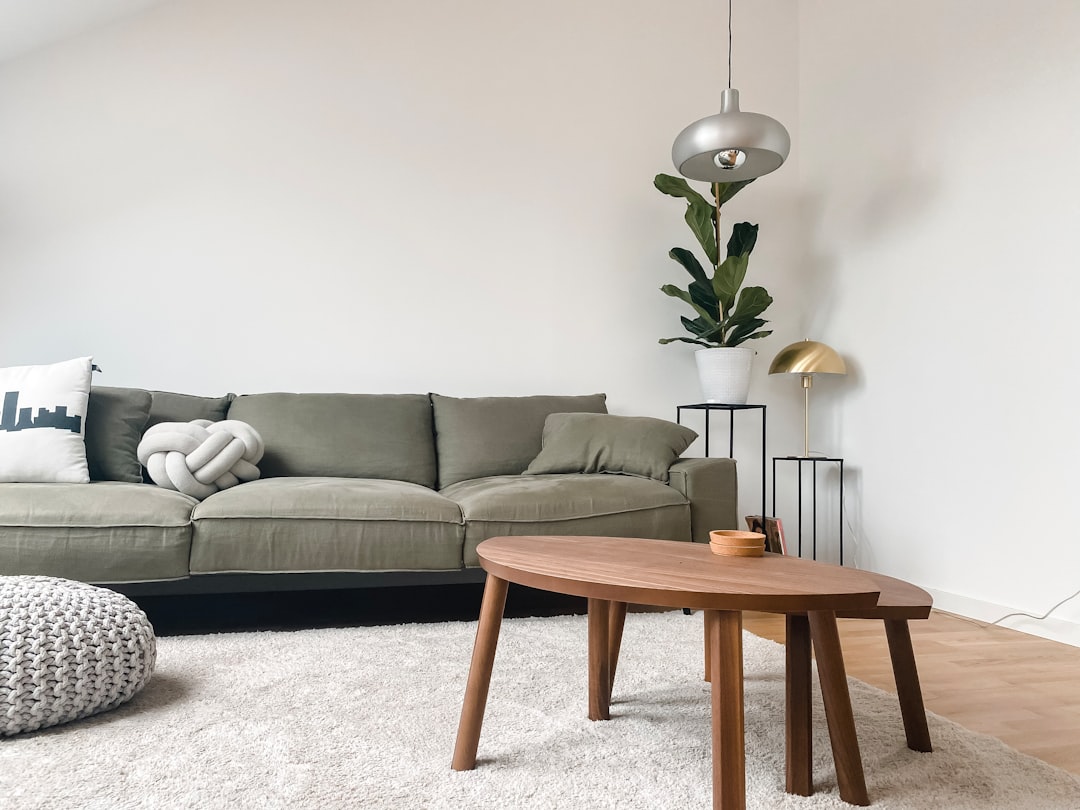
The Joo Seng showroom’s best-selling oak sideboard has a secret—its drawer glides still work smoothly after three years in a Tampines HDB with 80% humidity. Most Scandinavian furniture brands don’t account for Singapore’s climate; their untreated pine warps within a wet season, while veneers peel near aircon units. Megafurniture’s solid rubberwood frames and moisture-resistant lacquers hold up under ceiling fans and afternoon sun—you’ll find the same finishes on their
, built for tropical nights. Compact depth (45cm vs standard 55cm) lets their sideboards fit narrow BTO dining areas without blocking walkways. One couple in Punggol squeezed theirs between a folded-up baby stroller and shoe cabinet—barely 10cm clearance, yet the soft-close doors never jam. That’s the advantage of local adaptations: European designs assume you’ve got a 4m-wide hallway. Their five-year warranty covers hinge replacements, unlike IKEA’s one-year policy. Showroom staff encourage testing—open every drawer, press against shelves, check for wobbles on uneven floors. A Eunos homeowner reported her 2021 purchase surviving two moves; the only damage came from her toddler stacking toy cars on the lower ledge. The matte white finish hides fingerprints better than glossy alternatives—a relief for households with kids or cats. Neutral enough to pair with rattan baskets or dark walnut dining sets, yet distinctive next to mass-produced MDF units. You’re paying for the engineering, not just the aesthetics.
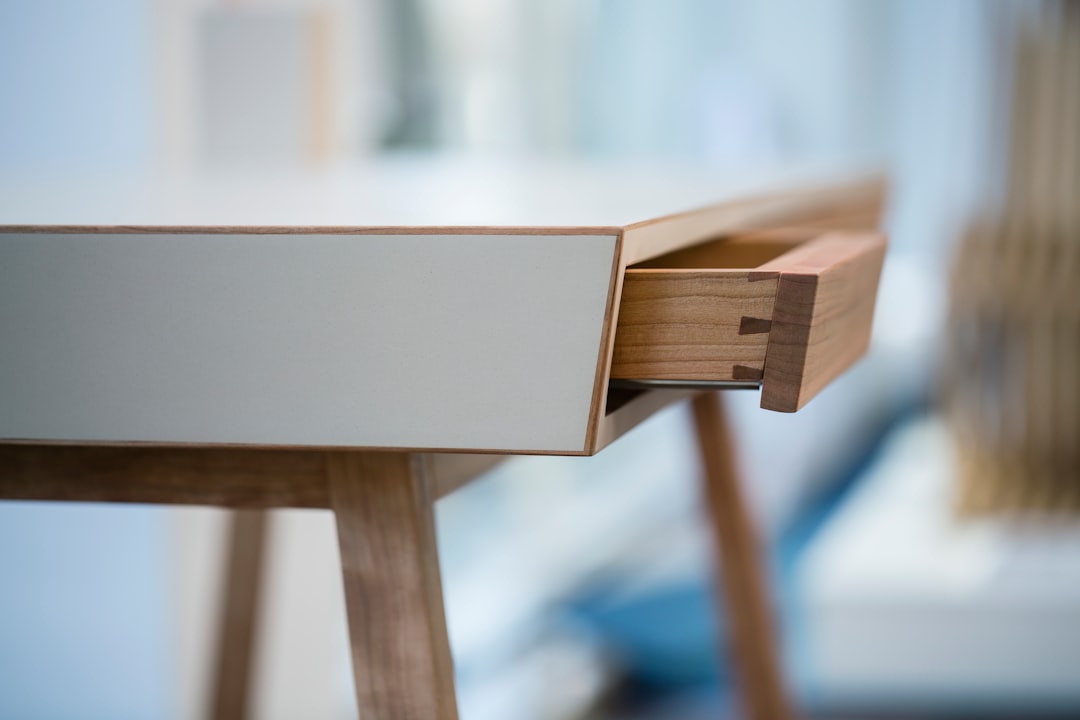

Navigating HDB corridors with a fully assembled sideboard is a losing battle — most delivery teams will disassemble it on the spot, leaving you with a pile of parts and a headache. Measure your lift dimensions before buying; a 1.8m-long sideboard might fit in the showroom, but it won’t squeeze into a standard HDB lift. For narrow corridors, opt for modular designs that can be carried piece by piece — Scandinavian furniture often comes in smaller sections, which helps.
Professional assembly isn’t just a convenience; it’s a necessity for multi-piece Scandinavian designs. Those clean lines and intricate joinery? They’re a magnet for scratches if handled wrong. Many buyers skip assembly services to save $50-$100, only to regret it when the sideboard wobbles or the veneer chips. Stores like Castlery and FortyTwo often include assembly in their delivery packages, which is worth the peace of mind.
Scandi sideboards, with their light wood tones and minimalist frames, are prone to damage during transit — especially the thinner legs and delicate drawer mechanisms. Insist on padded wrapping and corner protectors; it’s not overkill, it’s practical. And if you’re eyeing a piece with glass panels or metal accents, double-check the delivery team’s experience with fragile items. The last thing you want is a cracked pane or a dented handle before the piece even reaches your living room.
Will a 180 cm sideboard fit my 3-room flat? Measure your hallway first — most HDB doorframes are 78 cm wide, and that’s before accounting for the lift lobby’s tighter corners. The sideboard itself might squeeze through, but you’ll curse every moving day if it’s solid wood instead of modular. Better to go for 160 cm or split into two units; Megafurniture’s Scandinavian collection does both in oak veneer that won’t warp.
Is solid oak better than laminate for humidity? Not necessarily — full solid wood expands enough to crack drawers in our wet seasons unless treated with marine-grade lacquer. Most local suppliers use laminated oak over moisture-resistant plywood, which holds up better against Singapore’s 85% RH afternoons. The exception: teak or acacia, but those skew more mid-century than Scandinavian.
Why does every sideboard have those hairpin legs? They’re easier to clean under than plinth bases when ants invade your Eunos flat. The 15 cm clearance also tricks the eye into thinking your 12 sqm living room has more floor space. Just check the weight rating — some only hold 30 kg before bowing.
What’s the real cost difference between IKEA and local brands? You’ll pay $1,200–$2,400 for a 180 cm sideboard at FortyTwo or Castlery versus $600–$900 at IKEA, but the latter uses particleboard that bloats after two monsoon seasons. The sweet spot: Malaysian-made rubberwood frames with ceramic tile tops, usually around $1,500.
How often do people actually use the wine racks? Once, during the housewarming. After that, it becomes the designated spot for GrabFood deliveries and spare HDMI cables. Go for adjustable shelves instead — they’ll hold everything from your router to that juicer you swore you’d use daily.
Before selecting a sideboard, measure the available wall space in your living room. Aim for a piece that leaves at least 60cm of walking clearance around it. Scandinavian designs often prioritize sleek proportions, so opt for widths under 2m for most HDB layouts.
Singapore's humidity demands durable materials like teak or oak with proper sealing. Avoid untreated pine, which may warp over time. Look for moisture-resistant finishes common in Scandinavian furniture lines.
Choose sideboards with drawers and cabinets to maximize HDB storage. Scandinavian designs often feature hidden compartments and modular shelves. Consider pieces with lift-top surfaces for dual dining/storage use in compact spaces.
Buffet lighting considerations: highlighting your display items effectively