
That 80% humidity reading isn’t just a weather report. For the full picture, the bed frame buying guide runs through the types, materials, and storage options for every kind of home — platform, divan, storage, and classic frames, in wood, metal, and upholstery, across single to king. It's the read for anyone starting from scratch and unsure where to begin. The useful framing throughout: match the frame to how you actually live and how much space you have, not to a look in isolation, since the right frame is the one that fits the room and the doorway as well as the eye.. It’s a long-term stress test for every material in your bedroom, and a king bed frame is the biggest target. You’re not just picking a look or a storage solution; you’re betting on what can survive the invisible, constant dampness that defines our climate. A bed frame is the one piece of bedroom furniture you sleep on every night for years, so it's worth getting right rather than treating as an afterthought to the mattress. Shopping for a bed frame in Singapore comes down to three decisions: the size your room can take, the material, and whether you need storage built in. Sizes run from a 91cm single through to a king around 182 to 183cm — and the honest first step is measuring the room, the doorway, and the lift, since the bed has to get in before it can fit. Material sets the tone and the upkeep: wood for warmth, metal for a slim modern profile, upholstered or divan for softness. And in a compact flat, a storage frame turns the space under the mattress into the cheapest storage you'll ever add. Get those three right and the frame becomes a foundation you won't think about again for a long time.. This is especially true in a standard 4-room BTO master bedroom, where air might not circulate as freely as you’d like.
Take a solid wood frame. It’s a classic choice, but that humidity will make the timber ‘move’—it’s a natural process, not a defect, but it can lead to subtle warping or joints that feel less tight over the years. Kiln-dried hardwoods like rubberwood handle it better, but they’re not immune. Particleboard or MDF, often found in more affordable options, are the real casualties; they absorb that ambient moisture like a sponge, swelling at the edges and eventually turning soft and crumbly. A plywood core is far more stable here.
Then there’s metal. It feels industrial and sturdy, but untreated or poorly finished metal will quietly corrode. You might not see the rust until you move the bed years later and find pitted legs or flaking paint, a sure sign the frame’s integrity is compromised. The only real exception is powder-coated steel, which provides a much more resilient barrier against the moisture in the air.

Upholstered fabric beds bring a different challenge. That plush headboard or wrapped base acts like a giant sponge, trapping moisture and dust mites against the wall or in the still air of a room that doesn’t get strong cross-ventilation. In a west-facing room that bakes in the afternoon sun, you get a brutal cycle of heat and damp that can lead to mould or mildew deep in the padding. Performance fabrics that resist moisture are a smarter pick, but even then, ventilation is non-negotiable. So your frame choice isn't just about style—it's a direct response to the air you live in.
Rubberwood’s price tag is tempting, especially when you’re staring at the cost of a king frame. But in a west-facing room, that afternoon sun is a different kind of price calculator. It’s not just about heat—it’s about that slow, steady bake that can turn an affordable hardwood into a problem over the years. Rubberwood, while decently sturdy for the money, has a more open grain structure. Over time, the intense thermal cycling from our relentless afternoon sun can cause micro-fractures and open the door for surface mould, particularly in the humid pockets that never fully dry out. You might not see it for the first few years, but by year five or six, that shadow along the headboard could be more than just a trick of the light.
Solid oak is the heavyweight contender here, literally. Its density is what gives it the upper hand against the daily furnace of a west-facing exposure. The heat doesn’t penetrate as deeply, and the wood is far less likely to harbour moisture because it moves so little. It just sits there, steady and unbothered, while the sun pours in. That kind of resilience, however, comes with a budget that typically starts north of three thousand dollars—an investment more commonly justified in a landed property where the room sizes and long-term outlook match the spend.
For most flats and condos, the brutal honesty is this: if your master bedroom catches the full western glare, rubberwood is a compromise that will likely show its age prematurely. wooden bed frame . The only real exception is if that room has exceptional climate control—you’re running the air-con constantly during the day, or you’ve installed quality solar film and blackout curtains that never get opened. Without that, the material’s inherent weakness against sustained heat and humidity gets exposed. Oak’s performance is superior, but its cost puts it in a different category of ownership altogether.
So the choice becomes straightforward. View a rubberwood frame in this scenario as a medium-term solution, perhaps for a starter home or a room you know you’ll redesign in under a decade. But if you’re settling in for the long haul and that western sun is unavoidable, the math shifts. The higher initial outlay for oak starts to make sense as a buy-once purchase, saving you the sian feeling of replacing a warped or stained frame later. Sometimes the upfront sting is cheaper than the regret.
Performance velvet and linen handle moisture in opposite ways. The classic choice is a metal bed frame — warm, solid, and ageing better than it photographs, in solid hardwood or quality engineered wood. Wood suits a timeless, natural bedroom and stays rigid and quiet across the years. The one local quirk: timber moves a little in the humidity, so a faint seasonal creak isn't a defect, and kiln-dried frames cope better. For a buyer after a frame that lasts and reads warm, wood is the safe long-term pick.. That velvet you see in showrooms often has a tight weave and a chemical treatment, creating a surface that makes water bead up and roll off. Linen, being a natural fibre, acts like a sponge—it pulls condensation right into its threads. In a compact 12 sqm common bedroom with limited air circulation, that absorbed moisture needs somewhere to go. If it lingers, you're setting the stage for problems no one wants. The fabric choice here isn't just about colour or feel; it's a direct climate-control decision.
This is where the climate performance truly matters. A fabric that stays damp in 80% plus humidity becomes a breeding ground for mildew. Linen's absorbent nature means it dries slower, especially if the bed is pushed against a wall in a smaller room. Velvet's repellent quality helps the surface stay drier, significantly lowering that risk. It's a straightforward equation: prolonged moisture equals potential for mould. For a long-term piece like a king bed frame, this isn't a minor detail—it's central to its lifespan in your flat.
You can't judge this from a website photo. You need a hands-on showroom test. Run your palm across a velvet sample; the pile should feel dense and spring back quickly without leaving a permanent mark. For linen, press the fabric and notice how it crumples—that inherent texture is charming but also shows where moisture might gather. Some retailers have demonstration panels showing how droplets behave on each material. Seeing that water bead on velvet versus darken a linen swatch makes the abstract concept of 'climate performance' suddenly very concrete and personal.
Each fabric demands a different kind of care. That cool, crisp feel of linen in our heat is genuinely shiok, but it comes with a need for vigilance. You'll want to leave more space around the bed for air flow and maybe run a dehumidifier more often during the monsoon season. Performance velvet is less fussy on daily maintenance, but it can show pressure marks from leaning against it, which might bother some buyers. There's no perfect choice, only the right compromise for your household habits and tolerance for upkeep. The better fabric is the one whose downsides you can live with.
For the typical Singapore bedroom, especially a common room that might not have the best ventilation, performance velvet is the more pragmatic pick. Its moisture-repelling nature simply aligns better with our relentless humidity, protecting your investment from the inside out. The one exception? If your air-con runs nearly 24/7, creating a consistently dry microclimate—then linen's breathability becomes a true asset. Otherwise, that beautiful, absorbent linen might just become a maintenance project you never signed up for. Choose for the climate you actually have, not the one on a mood board.
A king bed frame's material determines its longevity in Singapore's 80%+ humidity. Solid wood or plywood frames outlast particleboard, which can warp. Rubberwood is a common affordable hardwood option here. For upholstery, performance fabrics like Crypton resist stains, while bonded leather may peel over years without proper care.
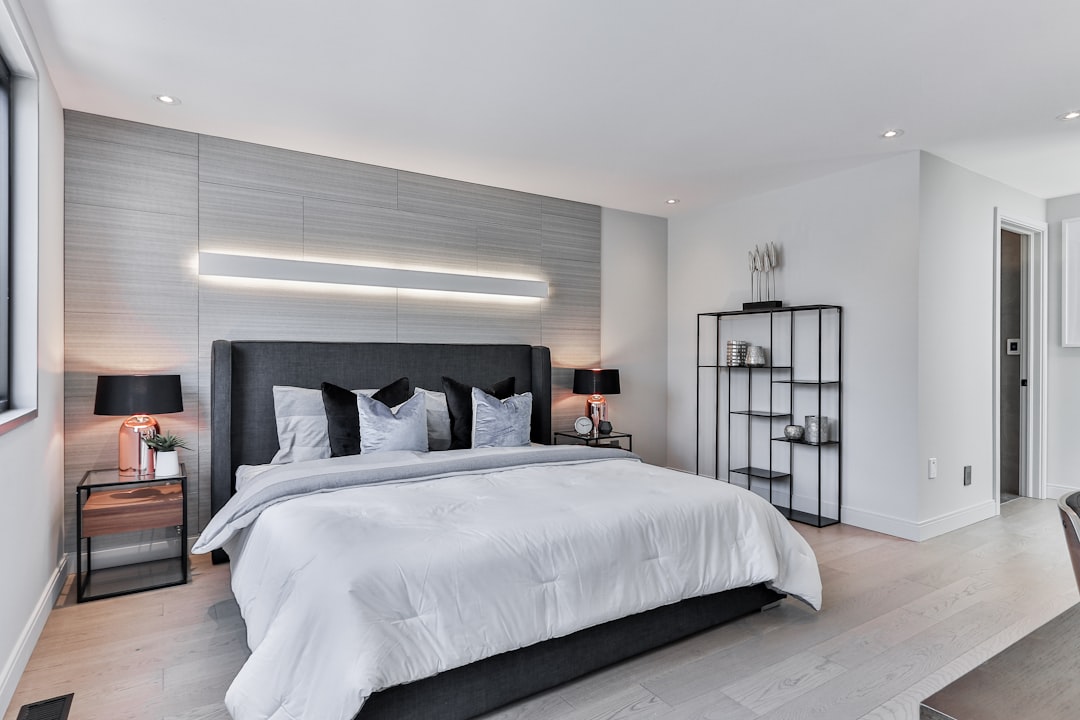

In any HDB flat, floor space is a precious commodity, and the idea of tucking away spare bedding or luggage under the bed is incredibly tempting. Storage drawers built into the base of a king bed frame offer a neat solution, effectively turning dead space into functional volume without needing extra clearance for opening like a hydraulic lift-up would. For a couple in a 4-room BTO, that extra cubic footage can feel like a minor victory against the perennial clutter of life. The trade-off, however, is one you might not notice until a few years down the line—specifically, that fifth year when the relentless humidity has had ample time to work its way into every still corner.
Those drawers, especially if they sit flush to the floor, create a perfect pocket of stagnant air. For a slimmer, more modern look, a divan bed frame keeps the profile low and the lines clean, and it's the easiest of the materials to live with — light to move, quick to wipe down, and hard for dust to settle on, which suits allergy sufferers. Metal pairs with Scandinavian and industrial rooms alike. The thing to check is sturdiness, since a thin frame develops a creak at the joints. For a clean, low-fuss bedroom, metal is the practical pick.. There’s minimal airflow between the mattress, the bed base, and the floor, which in Singapore’s climate is a recipe for trapping moisture. Over months and years, this can lead to a musty smell permeating your stored linens, and in more severe cases, encourage mould growth on the underside of the mattress or the interior of the bed frame itself. It’s a slow, insidious process that often goes unnoticed until you’re pulling out a spare duvet cover that feels damp to the touch.
This issue is particularly pronounced in certain neighbourhoods. If your flat is in a lower-level unit in Eunos or Aljunied, or anywhere with less cross-ventilation or older building designs, the ground-level moisture is already higher. Adding a solid bed platform with enclosed drawers essentially caps that dampness in place. You’re creating a microclimate under your bed that’s working against you. A simple low platform frame, with its open slats or raised legs, allows air to circulate freely, keeping everything drier and healthier.
So, should you skip the storage drawers altogether? Not necessarily. If your bedroom gets excellent airflow from multiple windows, or if you’re in a high-floor unit with consistent air conditioning and a dehumidifier running, the risk drops significantly. The key is to be honest about your flat’s ventilation. For everyone else, especially those in the ground-floor or low-wind blocks, prioritise airflow over that extra storage. Consider a bed frame with taller legs or an open slatted base, and find your storage solutions elsewhere—a wiser trade for long-term peace of mind.
Living near the sea in Singapore means your furniture gets a different kind of test. For a king-sized metal bed frame in neighbourhoods like Bedok or Tanah Merah, the salty air is a constant, silent challenge. It's not just about humidity; it's that fine, corrosive mist that settles on everything. A cheap painted finish won't stand a chance—you'll start seeing those tell-tale rust flecks peeking through after maybe two or three humid seasons. That's the reality for painted metal, even indoors where you think it's safe.
The only real defence is a high-grade powder coating. This isn't just a thicker layer of paint; it's a baked-on polymer finish that bonds to the metal, creating a much harder, more uniform barrier. It can realistically add years to the frame's life. With proper care, a well-made powder-coated metal king frame in a coastal flat should last you a solid 8 to 12 years before any serious corrosion sets in. Without it, you're looking at half that, maybe less.
Now, the one time you might consider a painted frame is if you're absolutely certain it's for a fully air-conditioned, inland room with zero sea breeze exposure. queen size bed . Even then, you're taking a gamble against our general 80%+ humidity. For everyone else east of the airport, powder coating isn't an upgrade; it's a non-negotiable. When you're looking at options, that's the first spec to check—ask about the coating process, not just the colour. The difference in lifespan is just too significant to ignore.
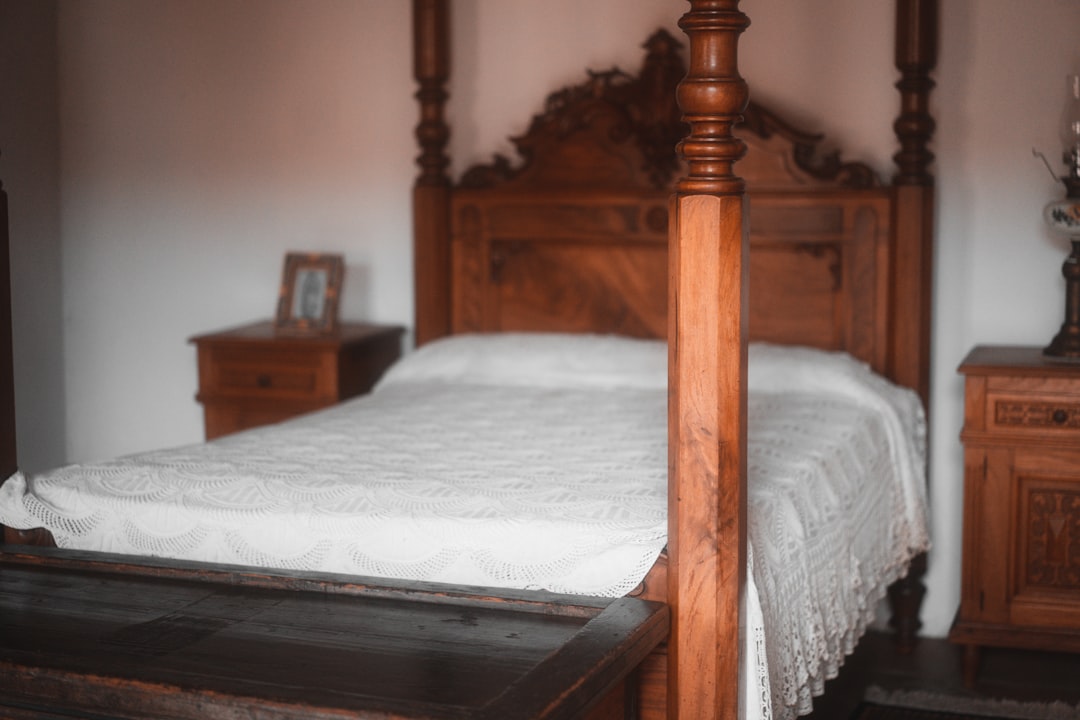
A king frame is an island, but the mattress is the sea. A king size bed is the streamlined, storage-first option — an upholstered base, fabric to the floor, usually with built-in drawers or a lift-up compartment and a silent, slat-free construction. It hides its storage and structure cleanly, which suits a tidy modern room. The base type matters: a solid platform-top suits a firm mattress, a pocket-sprung base a softer feel. For comfort plus hidden storage in one tidy piece, the divan delivers.. You can’t judge one without feeling the other. That’s why a showroom visit isn’t just about checking if the frame fits your 4-room BTO layout—it’s the only place you’ll know how a platform base feels under a medium-firm mattress versus a divan with a soft topper. At Megafurniture’s Tampines or Joo Seng outlets, you can actually test the pairing. Their Somnuz® line sits on every frame they sell, so you get the full picture.
Think about the difference between a rigid platform and a sprung-base divan. On a solid platform, a mattress feels firmer, more direct. Every contour of the Somnuz® weave presses straight back at you. But on a divan with a fabric-weave base, there’s a slight bounce, a little more give. That subtle flex can soften a firm mattress just enough for some, or make a plush one feel unsupportive for others. You won’t guess that from a website photo.
So you’ve got to go and lie down. Don’t just perch on the edge; properly sink in for five minutes. Check how the shoulder and hip align when you’re on your side on a king-sized sample. See if the edge support holds when you sit up to read—that’s where a cheap frame and a mismatched mattress will sag over time. Bring your partner if you’ve got one; a king bed is a shared territory and two bodies react differently to the same setup.
The exception? If you’re absolutely set on buying a mattress elsewhere, then testing the synergy loses its point. But if you’re open to a bundled solution from one place, this visit saves you from a costly mismatch. A frame that looks perfect in a catalogue can feel completely wrong once your favourite mattress is on it. And since you’re already there sizing up the 182 by 190cm footprint, spending another twenty minutes on the comfort test is a no-brainer. Just remember to wear clothes you can lounge in, and maybe avoid the post-lunch slot when you’re too drowsy to judge properly.
You’ll hear it a lot in showrooms: can a king bed frame actually fit in a 4-room BTO master bedroom? The answer is usually yes, but with a hefty asterisk. A standard king frame measures around 183 centimetres wide, and most modern master bedrooms are built to accommodate that—just. You’ll need to be strategic about other furniture, though. If your room’s dimensions are closer to 3 by 2.5 metres, you’re entering seriously cramped territory where a queen might be the smarter, more comfortable choice.
Leather in our humidity—that one is a common worry. Full-grain leather, properly conditioned, can handle it, but bonded or cheaper genuine leathers will likely peel over the years. The real enemy isn’t just the air; it’s poor ventilation. A west-facing room with afternoon sun baking the bed will dry and crack it, while a stuffy, enclosed space invites mould. If you’re set on the look, commit to the maintenance and the higher initial cost for a quality hide.
What about storage beds preventing mould? This is where material choice becomes critical. Opt for a frame built with plywood or kiln-dried rubberwood for the storage compartments, as these materials are far more stable in moisture than particleboard or MDF. The latter will swell and soften in our climate. And don’t just shut things away; you need airflow. Choose a design with ventilation slats or be disciplined about lifting the hydraulics regularly to let air circulate around your stored winter wear or extra pillows.
Is DIY assembly feasible for resale flat owners? Honestly, it’s a toss-up. Many flat-pack frames are designed for straightforward assembly, and if you’re handy and patient, you can save on delivery fees. The catch is your building’s lift access—older resale blocks often have narrower lift doors or tighter corridor turns. A disassembled frame in a box might sail right up, while a pre-assembled king frame absolutely will not. Measure your lift door first; if it’s around 90 centimetres wide, you’re probably okay for a flat-pack. If it’s narrower, DIY isn’t just a challenge, it’s your only practical option lor.
" width="100%" height="480">Choosing the right king bed frame material: a Singapore climate guide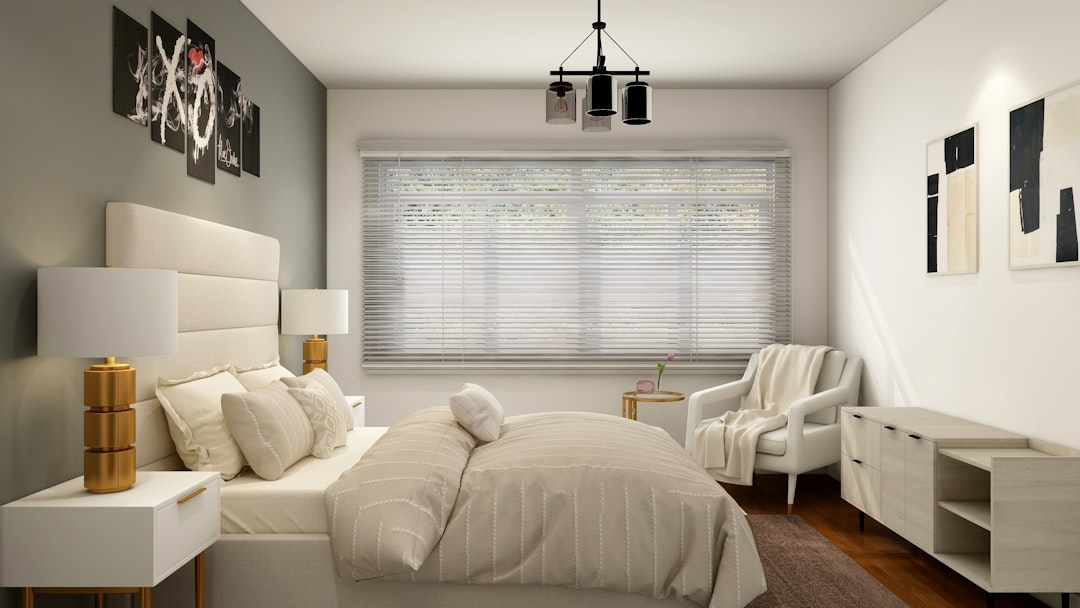
Before you hand over your card, run through this list one more time. You’ve picked your material, but is it really settled? Humidity here isn’t a maybe—it’s a given. So ask yourself if that fabric or timber can handle three years of monsoon seasons back-to-back, because that’s the real test for any piece of furniture in a Singapore flat. A frame that looks good in a dry showroom might show its true colours only after a few cycles of our relentless wet weather.
Now, measure. Not just the room dimensions on the floor plan, but the actual space. For a larger master bedroom, a bedroom furniture range in Singapore at around 182 to 183cm wide is the step up — suited to a room of roughly 3.5 by 3m and more. The honest test is whether you can still walk both sides and open the wardrobe once it's in; in a borderline room a queen wins on livability. Measure the room and the doorway first, since a king is the size most likely not to clear an internal bedroom door.. A King frame is around 183 by 190cm, and in a resale HDB master bedroom, you need to account for built-in wardrobes and that awkward air-con ledge. Leave at least 60cm on the side you get out of bed, and a buffer of 30cm on the other sides—skirting boards eat up another centimetre or two. Can’t open the cupboard doors? Then the bed’s too big.
Budget is the final gate. For a proper King frame in a material that lasts, you’re typically looking at a range from about $1,200 to $2,400. That’s the bracket where you find solid wood or good plywood construction, not just particleboard that’ll swell. The lower end gets you a basic platform; the higher end buys better joinery, maybe integrated storage, and finishes that resist our climate. Don’t stretch for features you won’t use, but don’t cheap out on the foundation of your sleep either. The one time to go lower is if you’re absolutely certain you’ll be moving again in two years—then a simpler frame makes sense.
Everything else is just noise. If it fits your room, survives the humidity, and fits your budget, you’re done. Go make the purchase.