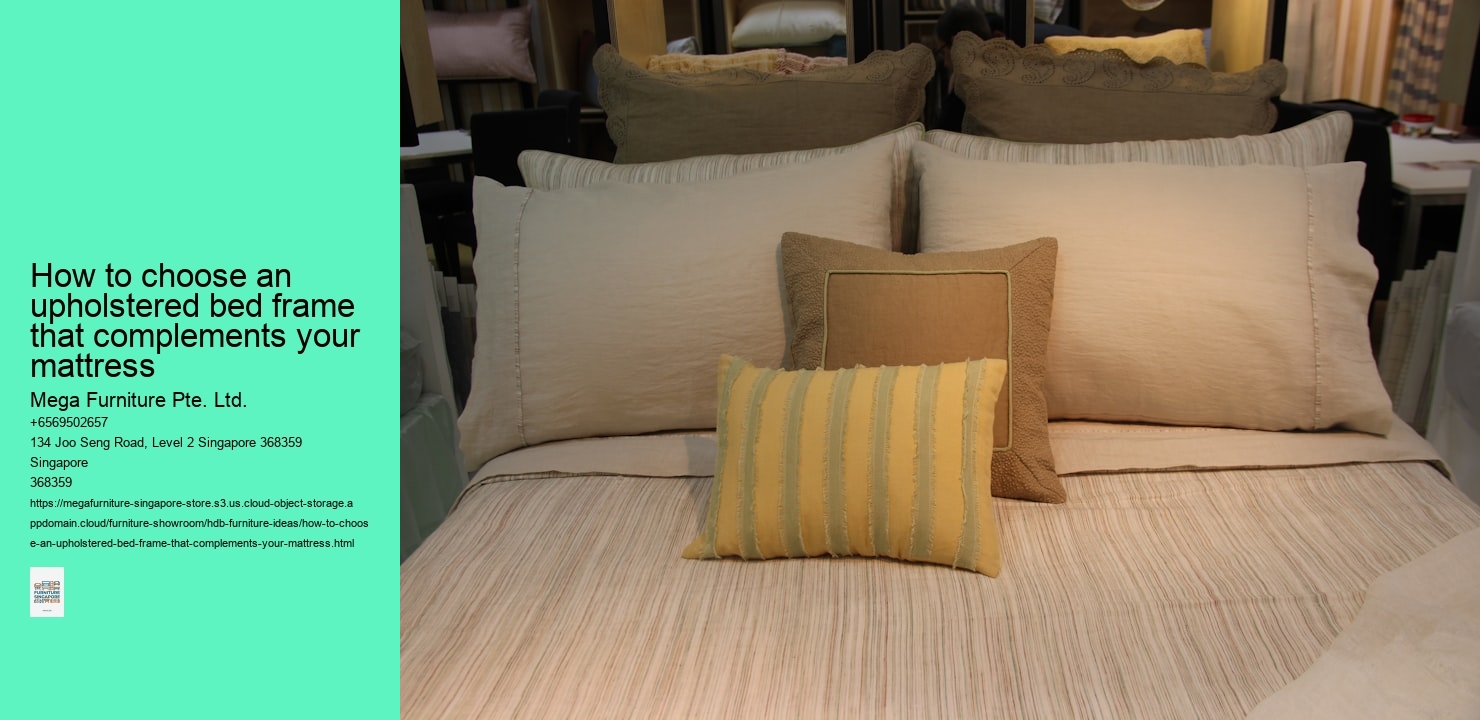
You've seen it before—the brand-new premium mattress, often an orthopaedic one, that starts to feel soft and unsupportive at the edges after just a few months. The culprit usually isn't the mattress itself. It's the basic platform frame it's sitting on. That frame border, the rim around the sleeping surface, is often just a few centimetres too short or too flimsy to properly cradle the mattress's full width. A 152 by 190cm Queen mattress needs a platform that matches its dimensions exactly, not one that's a casual approximation.
A proper frame acts as a full cradle, not just a tabletop. Many mattress designs, especially those with reinforced edges for sitting support, rely on a solid, continuous foundation right to the very border. When the frame's lip falls short, those reinforced edges lack the underlying structure they were engineered for, leading to premature sagging and a loss of that 'sitting-on-the-edge-of-the-bed' firmness. The gap might be invisible when you first set it up, but the strain shows over time with regular use.
This mismatch is a classic case of investing in one component and neglecting its partner. You wouldn't buy a high-performance tyre and mount it on a bent rim. The same logic applies here. The frame's primary job is to provide uniform, edge-to-edge support; any decorative headboard or storage drawer is secondary. For a lasting setup, the platform's internal dimensions must be a precise match for your mattress's stated size, with a sturdy, non-flexing border that sits flush against the mattress sides.
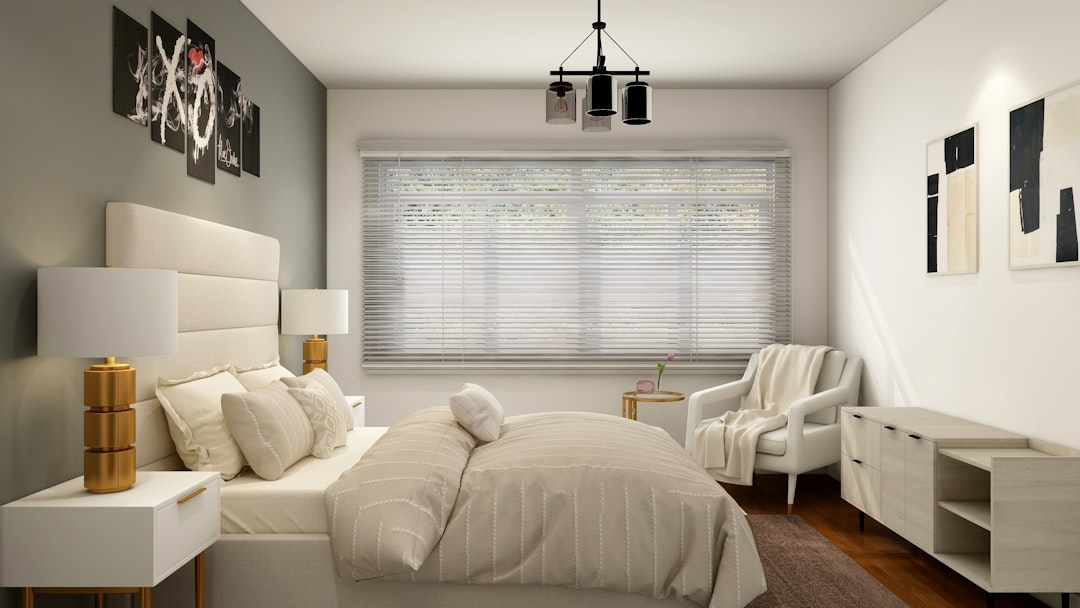
There's really only one exception to this rule. If you're using a traditional divan base—a solid, box-like foundation designed as a pair with the mattress—then the platform frame's exact dimensions matter less, as the divan provides the full support surface. A bed frame is the one piece of bedroom furniture you sleep on every night for years, so it's worth getting right rather than treating as an afterthought to the mattress. Shopping for a bed frame in Singapore comes down to three decisions: the size your room can take, the material, and whether you need storage built in. Sizes run from a 91cm single through to a king around 182 to 183cm — and the honest first step is measuring the room, the doorway, and the lift, since the bed has to get in before it can fit. Material sets the tone and the upkeep: wood for warmth, metal for a slim modern profile, upholstered or divan for softness. And in a compact flat, a storage frame turns the space under the mattress into the cheapest storage you'll ever add. Get those three right and the frame becomes a foundation you won't think about again for a long time.. But for the vast majority of setups where the mattress sits directly on a slatted or solid platform, getting that internal measurement right is non-negotiable. Don't just measure your room for the bed's footprint; measure your mattress and demand the frame's specs match it.
Choosing the correct bed frame size ensures it fits comfortably in your bedroom. A Queen size bed frame, measuring 152cm wide, suits most HDB and BTO master bedrooms. Leave about 60cm clearance on the exit side for movement. Standard frame length is 190cm, so check your room dimensions before committing to a King size.
Singapore's high humidity and sun exposure impact bed frame materials over time. Untreated natural leather can develop mould if not wiped down and kept ventilated. Solid timber frames like rubberwood handle moisture better than engineered boards. Dark or patterned upholstery finishes also better conceal inevitable wear and stains.

The worst moment isn’t when you first realise the bed frame is sagging in the middle. It’s at 3 a.m., when you’ve rolled into that subtle valley for the third time and your partner’s elbow is suddenly too close. You bought a premium hybrid mattress for its pressure relief and zoned support, but it’s only as good as the platform beneath it. A king-size bed, around 183 centimetres wide, is a serious span—without adequate centre support, even the best mattress will develop a permanent dip where two bodies meet night after night. That’s the weight spread error in action: the frame’s construction failing to distribute the load evenly across its entire surface.
Many buyers focus on headboard style or fabric colour, treating the base as a simple pedestal. But for a couple sharing a Queen or King, the skeleton matters more than the skin. A platform bed with only perimeter support—relying on side rails and a few slats—might feel rock-solid when you test it empty in a showroom. Under the sustained weight of two adults and a heavy hybrid mattress, that long centre span can flex. Over months, the slight give becomes a noticeable sag, creating pressure points exactly where you’re trying to avoid them. You’re left with the peculiar frustration of an expensive mattress underperforming because its foundation wasn’t built for the job.
So what does sufficient support look like? For larger beds, you want a centre beam—a solid longitudinal support running down the middle—paired with robust, closely spaced slats. Some designs use multiple legs positioned directly under this beam to transfer weight straight to the floor. Others employ a system of cross-braces. The key is that the support isn’t just at the edges. Don’t just tap the frame; ask about its internal structure. A well-made frame for a King should feel like a unified, rigid plane, not a trampoline waiting to happen.
There’s one exception: if you’re opting for a traditional divan base with a built-in box spring, the support issue is largely solved by the divan’s own solid construction. For everyone else eyeing a sleek upholstered platform, the lesson is clear. Judge the frame by what you can’t see. That hidden centre beam is what keeps your mattress—and your sleep—truly level, long after the showroom lights go out.
Singapore's average humidity hovers around eighty percent, a figure that's not just a weather report but a critical design constraint. In a west-facing 4-room BTO, the afternoon sun bakes the room, then the evening moisture rolls in, creating a perfect storm for fabric decay. That gorgeous linen or velvet headboard you fell for in the showroom can become a mould nursery within a single humid season. The fibres absorb that damp air, holding onto it long after you've switched on the air-con. You're not just choosing a colour or texture; you're betting on a material's ability to survive in a near-constant state of dampness.
Linen and cotton, while breathable and luxurious, are particularly vulnerable in our climate because they absorb moisture directly from the air. They don't just feel damp; they stay damp, providing the sustained wetness that mould spores need to colonise. A poorly ventilated master bedroom, common in many HDB layouts where windows might be partially blocked by neighbouring blocks, exacerbates this issue dramatically. The musty base smell that develops isn't just an odour—it's a sign of microbial life growing deep within the upholstery padding. Once that sets in, no amount of cleaning will fully restore the fabric's freshness or structural integrity.
This is where modern, engineered fabrics pull decisively ahead for long-term ownership. High-quality polyester blends and olefin fabrics are often treated with antimicrobial agents during manufacturing, which actively resist the growth of mould and mildew. Their tighter weave and hydrophobic nature mean they shed moisture instead of soaking it up, drying quickly after an accidental spill or a humid night. While they might lack the initial tactile romance of natural fibres, their performance over a five- to ten-year period in a local home is consistently superior. They maintain their colour and form without the constant threat of biological decay lurking in the seams.
For those who crave a more luxe feel without the climate anxiety, leatherette presents a compelling, practical alternative. A good quality polyurethane or vinyl leatherette creates a completely non-porous barrier between the humid air and the bed frame's internal structure. It wipes clean with a damp cloth, doesn't harbour allergens, and won't develop that tell-tale musty smell even in a room that gets less cross-ventilation. The key is to avoid very cheap bonded leathers that might peel; look for a substantial, uniform finish that feels cool and smooth to the touch. In a practical sense, it offers the aesthetic of an upgrade with the maintenance profile of a workhorse.
A common miscalculation is thinking that running the air-con at night is a sufficient countermeasure for a poor fabric choice. The reality is that the air-con cools and dehumidifies the air in the room, but it doesn't actively draw moisture out of a soaked upholstery fabric or padding. Once you turn it off in the morning, the ambient humidity rushes back in, and the cycle begins anew. Relying on mechanical ventilation to compensate for a fundamentally incompatible material is a losing battle that runs up your utility bill while still losing the war against decay. Your fabric choice needs to be the first line of defence, not an afterthought your air-con unit has to constantly rescue.
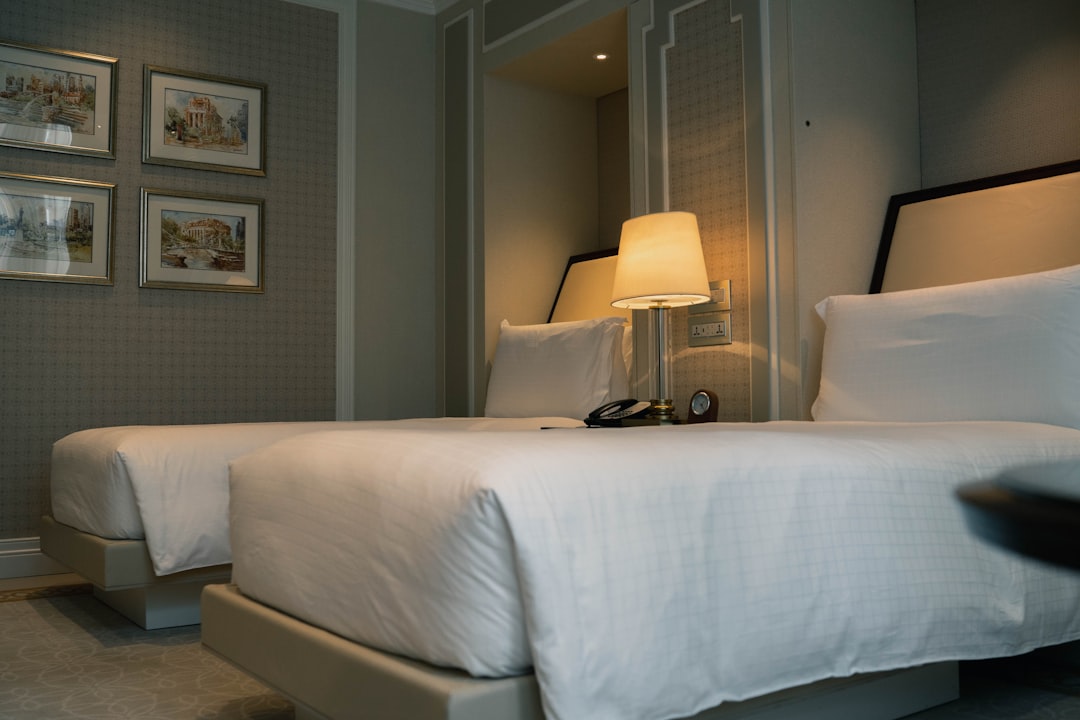
Walk into a 12 square metre common bedroom with a Queen bed and you’ve got maybe 60 centimetres on one side, 30 on the other. That’s the reality for many 4-room BTO layouts. The moment you introduce a grand, tufted headboard that adds another 15 to 20 centimetres of depth, that precious floor space vanishes. The room starts to feel like a furnished corridor, not a place to rest. You’ll find yourself sidling past the bed instead of walking comfortably, and the idea of a proper bedside table becomes a joke—there’s simply no room for its legs.
The visual weight is the real culprit. A tall, plush headboard dominates the wall, making the ceiling feel lower and the walls closer. It’s an optical squeeze on top of the physical one. For a room that might also hold a study desk or a wardrobe, every centimetre of lost floor area counts double. That lavish, hotel-style headboard you saw in a showroom? In a compact space, it doesn’t look luxurious—it looks like a bulky mistake that ate your room.
So, skip the statement headboard. Go for a low-profile upholstered frame instead, one where the padding stops at or just above the mattress line. This maintains the soft, cosy feel you want without the spatial tax. Better yet, consider a frame with integrated, flush storage drawers. A platform base with built-in drawers doesn’t add to the bed’s footprint; it actually reclaims space by eliminating the need for a separate chest. You get the tactile comfort of an upholstered edge and a practical solution for stowing extra bedding or luggage—a win-win in a typical HDB flat where storage is always tight.
The only exception is if you’re absolutely set on that grand headboard look and you’re willing to commit to a minimalist room with nothing else on that wall. But even then, measure twice. A headboard that blocks a power point or a light switch is a daily annoyance you don’t need. For most common bedrooms, a sleek, low silhouette is the smarter play. It keeps the room feeling open and gives you back the freedom to move.
A screen can show you colour, but it can’t tell you if the weave of that linen-look fabric will catch on your toenail. You’ll only know by dragging a fingernail across it in person, feeling whether it’s tightly bound or loose enough to pill over time. The difference between a cool, crisp performance textile and a cheaper, warmer-feeling polyester is all in the hand—and that hand needs to be yours, not a stylist’s in a filtered photo. That’s the first reason a website is a risky final stop.
Then there’s the sit test. An upholstered bed frame isn’t just a platform; it’s a piece you’ll lean against, and the edge support matters. You need to plant yourself on the corner of a Queen-sized display model and shift your weight. Does the frame creak? Does the padding compress to the point you feel the underlying structure? A firm edge in the showroom means it won’t sag into a sad dip after a year of nightly reading or scrolling. This tactile check takes thirty seconds but saves the massive hassle of a return over a support mismatch.
Your mattress compatibility is the final, non-negotiable check. Firmness is a personal equation—a plush-top on a solid platform feels entirely different than on a slatted base. Lay down on the display setup. Does the combined feel suit your back? Many retailers have their own mattress lines designed to pair with their frames; testing that combination in the showroom is the only way to know if the whole sleep system works for you. Buying a frame online to match your existing mattress is guesswork, and getting it wrong means sleeping on a mistake for years.
The one time you might skip the trip? If you’re replacing an identical model with the exact same fabric code, and you already know the feel and support are perfect. For any new choice, especially for a master bedroom in a 4-room BTO where this is a long-term anchor, the trip to a physical showroom is non-negotiable. It turns a speculative click into a confident purchase.

Upholstered beds look plush, but Singapore buyers worry about practical stuff. Humidity, mattress fit, price, and delivery times—these are the real questions you’ll type into your phone before you click ‘add to cart’.
Do upholstered beds attract bed bugs in Singapore humidity? The fabric itself isn’t a magnet, but poor ventilation creates the damp, still air pests love. Keep your room aired out, maybe with a dehumidifier running sometimes, and you’re fine. The real risk comes from bringing in an infested mattress—that’s the culprit, not the frame.
Can an upholstered bed frame fit a 10-year-old mattress? Usually can. Most frames are built for the standard 152 by 190cm Queen dimensions, so your old mattress should slot right in. But check the support system: a platform base needs a firm mattress, while a sprung slat system offers more flexibility. If your old mattress is sagging badly, a new frame won’t fix that.
What's the real price range for a queen upholstered bed in Singapore? You’ll see everything from basic fabric platforms under a few hundred to fully upholstered kings with storage and leather details that run much higher. The jump in cost isn’t just for looks—it’s for better plywood construction, thicker padding, and performance fabrics that handle stains. Don’t go for the cheapest one if you want it to last.
How long does delivery take for a bed frame from a local retailer? If it’s in stock and your HDB lift door clearance is okay, you might get it in under a week. For custom orders or during the year-end rush, it can stretch to a month. Always ask about the delivery window before you pay, because waiting six weeks for your bed while sleeping on a mattress on the floor is sian one.
You’ve got the measurements, you’ve browsed the online galleries, you’ve even narrowed down a few contenders. But before you step into a showroom and let that plush velvet sample sway you, there are three final, concrete things to settle. They’re the sort of details that, if overlooked, turn a smooth purchase into a logistical headache.
First, grab your tape measure and check your mattress thickness. An upholstered frame often has a recessed platform or a lip; a mattress thicker than 30cm might sit awkwardly high or even spill over the sides. Weight matters too—a heavy hybrid mattress on a lift-up storage bed means you’re fighting gravity every time you access those compartments. Next, consider your room’s airflow. A west-facing window that gets that strong afternoon sun? That’s a fade risk for certain fabrics, and it’ll dry out leather quicker. If the room’s already a bit stuffy, a fully upholstered bed adds another solid surface that doesn’t breathe. You want good ventilation around it.
Then, decide on your storage trade-off. Hydraulic lift-up needs generous overhead clearance—no low ceiling or bulky ceiling fan above the bed. Drawers need floor space beside the bed to open fully, which can eat into that precious 60cm walking clearance you ideally want on at least one side. If your bedroom’s a compact 3.5 by 3m BTO layout, you might have to choose: ample storage or easier movement around the room. It’s rarely both.
Finally, lock in your budget cap. For a quality upholstered frame in Queen size, you’re typically looking at a range from around $1,200 to $2,400. That covers decent construction and a fabric that’ll last. Set your limit firmly before you go. And if you’ve got pets, lean towards performance fabrics over leather—they’re more forgiving with claws and accidents. Once these points are settled, your showroom visit becomes a confirmation, not a confusion. You’ll know exactly what fits, what works, and what you can afford.