That 80% humidity reading on your weather app isn’t just a number—it’s the single biggest factor deciding whether your bed frame lasts five years or fifteen. In a BTO bedroom, where ventilation can be a challenge, materials react differently to that constant dampness, and picking the wrong one means you’ll see the consequences sooner than you think. Solid wood and plywood frames generally hold up well, especially if they’re kiln-dried, but particleboard and MDF are the real weak links. They absorb moisture over time, swelling at the joints and eventually softening into a crumbly mess that won’t support a mattress properly.
Metal frames might seem like a safe bet, but oxidation is a quiet threat. In a poorly ventilated room, that steady damp air can lead to rust spots forming on untreated joints or welds, especially near the floor where condensation gathers. It’s not always a dramatic collapse, but it’ll show as pitting and weak spots that compromise stability. The exception is a properly powder-coated or galvanised frame—that finish acts as a real barrier, so if you’re leaning toward metal, check the coating details, not just the price.
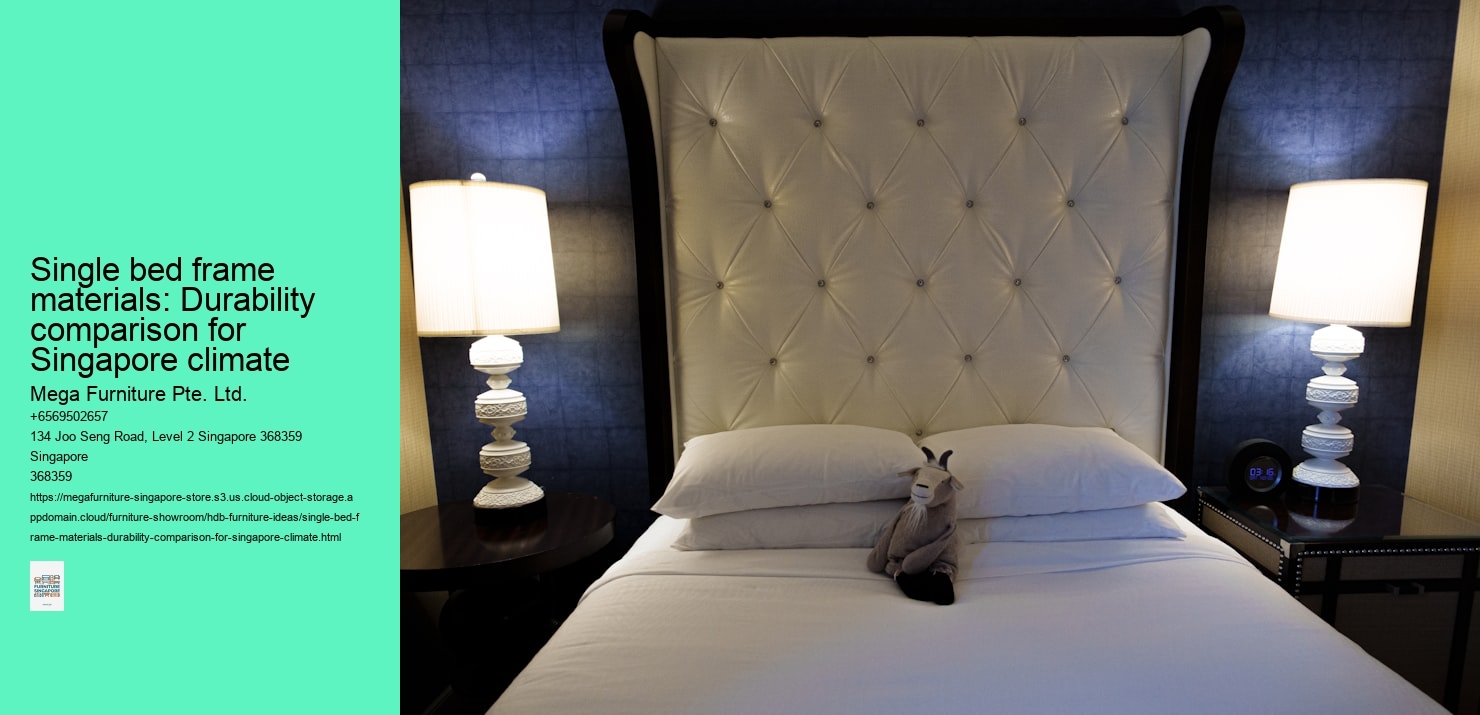
Upholstered beds bring a whole other set of concerns. Fabrics and padding can become a harbour for mould if there’s no airflow around the bed, a common issue in a tight 12 sqm common bedroom packed with other furniture. Performance fabrics designed to resist moisture are a smarter choice here, but even then, you need to leave space around the frame for air to circulate. Darker colours or patterns also help hide any inevitable damp-related spotting over the years.
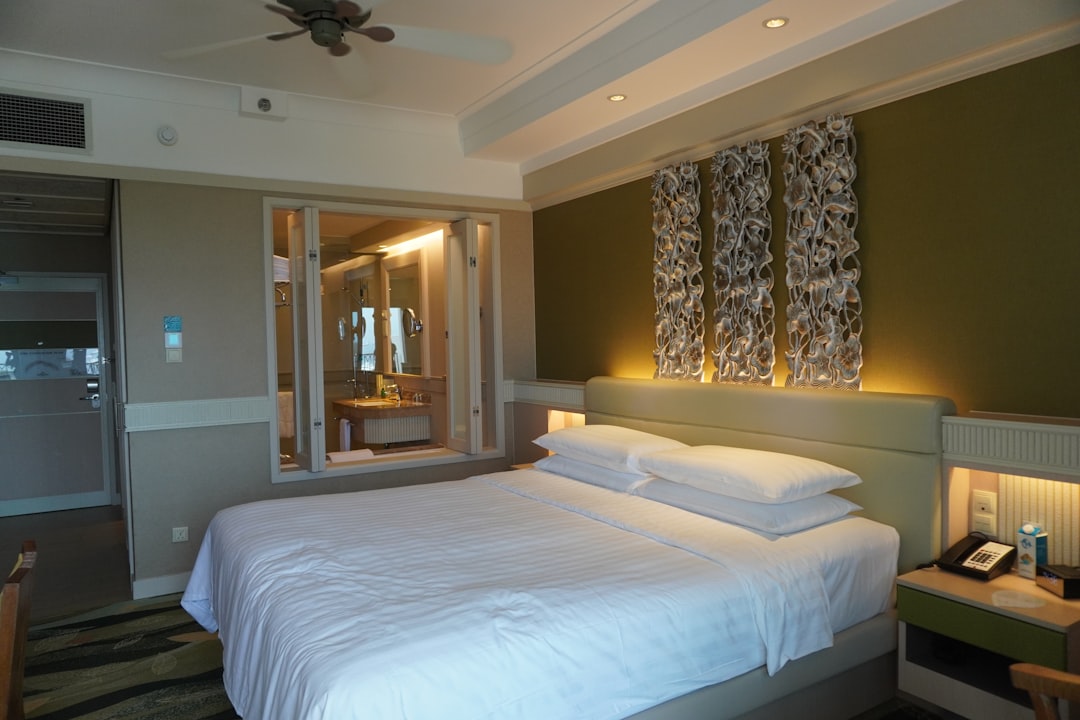
So while a sleek rubberwood platform might look perfect for a minimalist setup, remember it’s a hardwood that can still expand and contract with humidity shifts—that’s normal movement, not a defect, but it can cause creaking over time. The one real exception to the humidity rule is a well-made plywood frame. Plywood’s layered construction gives it a relative stability in our climate, resisting the swelling that destroys cheaper boards. It won’t have the same premium feel as some solid timbers, but for longevity against dampness, it’s a steady choice. Your material pick isn’t just about aesthetics; it’s a direct investment against the climate you live in every day.
A bed frame is the one piece of bedroom furniture you sleep on every night for years, so it's worth getting right rather than treating as an afterthought to the mattress. Shopping for a bed frame in Singapore comes down to three decisions: the size your room can take, the material, and whether you need storage built in. Sizes run from a 91cm single through to a king around 182 to 183cm — and the honest first step is measuring the room, the doorway, and the lift, since the bed has to get in before it can fit. Material sets the tone and the upkeep: wood for warmth, metal for a slim modern profile, upholstered or divan for softness. And in a compact flat, a storage frame turns the space under the mattress into the cheapest storage you'll ever add. Get those three right and the frame becomes a foundation you won't think about again for a long time..That relentless western sun in the late afternoon—it’s not just about the heat, it’s about the air going still and heavy. In older Eunos flats or those newer BTOs in Aljunied, the master bedroom layout often puts the bed right where the window’s cross-breeze is supposed to hit, but a bulky bed frame can block it completely. You end up with a pocket of hot, humid air that just sits there, and that’s when you see the real performance gap between materials.
Particleboard or MDF frames in that kind of environment don’t stand a chance. The constant moisture in the air gets absorbed, the edges swell, and the laminate starts to peel away—it’s a slow, sian process that shortens the bed’s life dramatically. A solid wood or good plywood frame, on the other hand, can handle the humidity swings. It might move a little, which is normal, but it won’t crumble. That stability is what you’re paying for.
Think about the space under the bed, too. A low platform frame with no clearance basically seals the floor, trapping dust and cutting off any chance for air to circulate. A taller frame with legs, or even a storage bed with drawers that leave a gap, lets the air move. It’s a simple thing, but in a west-facing room that bakes until seven, it makes a tangible difference to how the room feels when you’re trying to sleep.
The one exception? Maybe you’ve got fantastic cross-ventilation from another window or a powerful air-con you run daily. Then, material choice leans more on style and budget. But for most of us, in our typical 4-room layouts, that afternoon sun is a brutal test. Your bed frame isn’t just holding a mattress; it’s sitting in a microclimate. Choose the one built for the job.
In a 12 sqm bedroom, the bed frame often ends up flush against one wall, maybe even two. That constant contact creates a persistent friction point, where every time you sit down or shift position, the frame gets nudged against the plaster. Over years, this repeated bumping can chip paintwork on the wall and, more importantly, wear down the finish on the frame's side rails. Solid wood can handle this abrasion better than veneered particleboard, which might start to peel or dent at the contact edge. You'll find the damage concentrated on that one side, a clear pattern of life in a tight space.
Limited floor space often forces the bed right next to the bathroom door or a window that gets opened daily. That proximity to moisture sources—be it bathroom humidity or monsoon rain splash—accelerates exposure. A frame's legs or side panels facing that damp corridor absorb more ambient moisture than if they were centred in a larger, drier room. This isn't about general Singapore humidity; it's about localised, intensified exposure because the layout can't avoid it. Timber frames, even kiln-dried ones, will show more movement or potential staining on those closest components over time.
The confined area means every routine action—getting in, getting out, reaching for a drawer—involves more direct contact with the frame. You're not walking around a spacious bed; you're leveraging yourself off the headboard or pushing against the footboard to stand up. This concentrated physical stress, day after day, tests the joints and fasteners much more aggressively than in a room where you can move freely. A frame with weak corner brackets or shallow dowel joints will start to creak and loosen noticeably faster under this kind of focused, daily loading.
Regular cleaning becomes a logistical puzzle, and that affects longevity. Dust accumulates in the narrow gap between the frame and the wall, a space too tight to properly sweep or vacuum. Over time, that trapped grime can work into mechanical parts, like drawer runners or lift-up hinges, causing them to grit up and operate roughly. You might skip cleaning under the bed entirely because moving it in that tiny room is a major operation. That neglect allows moisture and dust to settle against the underside, a quiet threat to materials like MDF that swell when they sit in damp debris.
Finally, the sheer lack of floor space locks you into one arrangement permanently. You can't rotate the frame seasonally to even out wear or shift it away from a sun-faded wall. This static position means one side always faces the window's afternoon sun, another always bears the load of you sitting on that edge. The frame wears unevenly, a fact you can't mitigate through rearrangement. In a larger room, you'd have the option to move things around to distribute the wear—in a 12 sqm box, you're stuck, and the frame bears the consequences of that fixed, high-traffic spot.

After three years in a humid flat, the difference between a decent rubberwood frame and a standard painted metal one becomes obvious. The timber might show a few fine cracks—these are superficial checks in the grain, a natural thing for solid wood adjusting to the climate. It’s cosmetic, and the frame itself remains solid and quiet, no squeaking or shifting. The metal story is different. In a bedroom without consistent air-conditioning, you’ll spot the first signs of corrosion at the joints, especially around the bolt holes or where the paint got scratched during assembly. It starts as tiny bubbles under the paint, then blooms into reddish-brown flakes. That’s when the squeaks usually begin.
For a family with kids jumping on the bed or a multi-generation household where the single frame gets used daily, that metal corrosion becomes a structural concern. The weakened joints can’t handle the constant stress as well, leading to a perceptible wobble. A rubberwood frame, even with its surface cracks, typically stays steadfast under the same load. The exception is if the wood wasn’t properly kiln-dried before construction—then you might get actual warping, but that’s a quality issue, not a material one.
Replacing parts is where the cost divergence appears. For a corroded metal frame, you’re often looking at a whole section replacement because the rust spreads. A new headboard or side rail for a standard single metal frame might range from around eighty to two hundred dollars, depending on finish and availability. For rubberwood, if a slat cracks or a leg gets damaged, individual components are easier to source and swap. A set of replacement slats could be fifty to a hundred dollars, a single leg even less. The timber frame’s modular nature makes it a more forgiving long-term proposition.
So, for enduring the rough and tumble of a busy household, the rubberwood option proves more resilient. The metal frame’s failure is a quiet, creeping one that compromises stability, while the wood’s ageing is mostly surface-level. Unless you’re in a fully air-conditioned room year-round—which isn’t the reality for most HDB common bedrooms—the timber simply handles our climate better lah. It’s the more reliable choice for a bed that needs to last well past the three-year mark without giving you sleepless nights over its condition.
You might think an upholstered bed is just about the colour and the padding, but the fabric's weave decides whether it’ll feel like a sauna by December. In our humidity, a tight, dense weave like twill or sateen simply won’t breathe—it traps body heat and any ambient moisture against the foam, creating that unpleasant, clammy feel you can’t air out. That’s why you see so many beds here in looser, open weaves like linen-look cottons or performance blends; they let air move through, which is non-negotiable for year-round comfort. The wrong choice here isn’t just about aesthetics—it’s about waking up feeling sticky.
Look for fabrics that are technically designed for our climate. Crypton or other performance fabrics are a solid bet, as they’re engineered to resist moisture and stains while remaining breathable. A good cotton-linen blend, while it might wrinkle a little, offers that airy texture that works with the weather, not against it. Avoid anything with a heavy, velvety pile or a very tight synthetic finish—they’re magnets for heat and can feel downright oppressive in a non-air-conditioned room.
The only way to know for sure is to put your hand on it. Online photos can’t tell you if a fabric feels cool and dry or warm and sealed. You need to press your palm against the showroom sample and hold it there for a moment, feeling for any hint of trapped warmth. Then, sit on the edge and lean back—does the fabric give and breathe, or does it feel like a barrier? This tactile test is the single best reason to visit a physical showroom where you can assess the materials in person.
While breathability is king, don’t forget about texture against your skin. A rough, scratchy weave might be breathable but terrible for lounging in shorts or a nightdress. The ideal find is a fabric that feels soft to the touch but still has a visible, open structure—something that promises airflow. It’s a balance you can only judge in the flesh, and it makes all the difference between a bed you tolerate and one you truly enjoy for years.
Bed frame finishes anchor your bedroom’s aesthetic, from clean Scandinavian oak to Mid-Century walnut tones. For a local favourite like Japandi, look for light wood finishes and minimalist lines. Darker upholstery or patterned fabrics are practical choices, as they better hide everyday stains and dust.
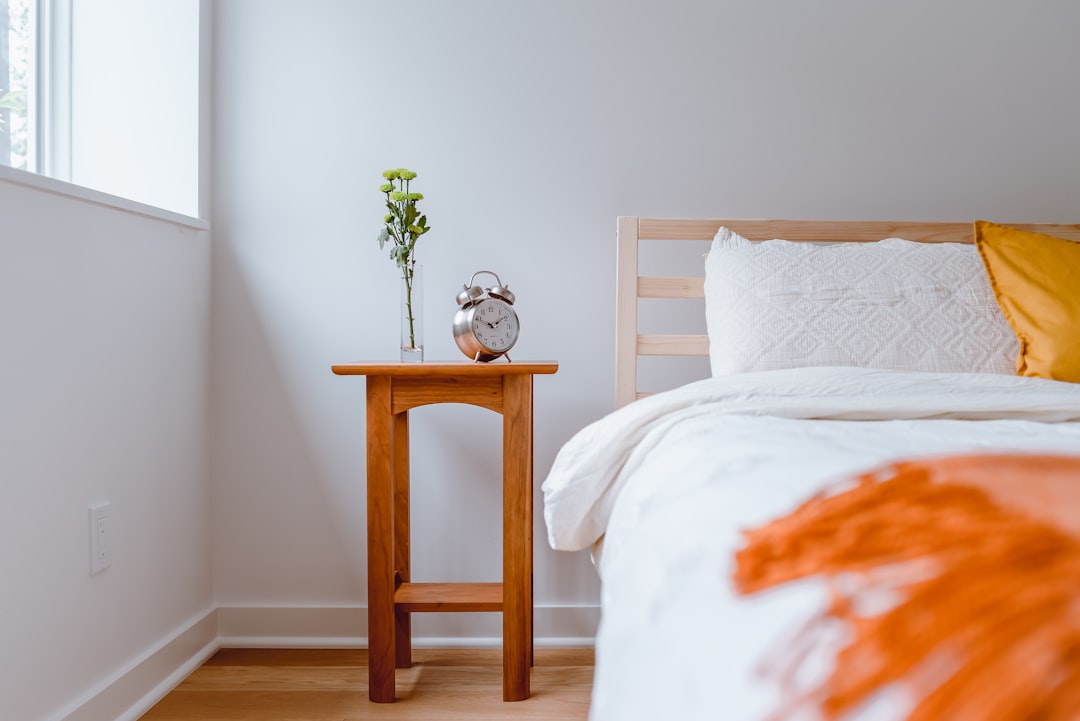
The questions that come up in a showroom here are always the same ones, and they’re never about colour or style first. It’s the climate that drives the worry. You’ll see someone run a hand along a solid wood frame and then ask, quietly, if it’ll split after one monsoon season. That’s the real starting point for any bed frame decision in a 4-room BTO or a resale flat—durability isn't a luxury, it’s a basic requirement.
Can a fabric headboard really survive the humidity without turning into a mould farm? That’s a valid fear, especially for a common bedroom that might not get the same air-con hours as the master. The fabric’s weave and backing matter more than the colour you choose.
Is a metal frame genuinely a ‘lasts forever’ option, or will it just squeak forever instead? Some buyers swear by them for long-term use, picturing a relic from a hostel that’s still standing. But the joinery and the finish on the metal—powder-coated versus a thin paint—make all the difference between a steady frame and one that starts to protest every time you roll over.
Then there’s the platform bed question. They look so clean and modern, but do they trap moisture underneath the mattress? In a room with poor airflow, that’s a real possibility. You need to think about the gap between slats and whether there’s any ventilation built into that sleek base.
What about engineered wood versus solid timber—is one actually more stable here, or is that just a sales line? And for the storage beds that are so popular, does adding those hydraulic lifts or drawers create more points of potential failure over a decade? These aren’t minor details. They’re the core of the purchase, because in Singapore, you’re not just buying a bed frame. You’re betting on how it’ll hold up against 80% humidity, year after year, in a space you can’t afford to replace furniture in every five years. The right material won’t just look good on delivery day; it’ll stay quiet and solid when everything outside is damp.
Before you head out, there’s one last reality check to do in the actual room. That 91 by 190cm single bed frame might look perfectly sized online, but in a 12 sqm common bedroom, you’ll want to know exactly how much floor you’re losing—especially if you’re considering a storage bed with drawers that need space to slide out. Grab a tape measure and mark the footprint on the floor with masking tape; it’s the easiest way to visualise the clearance you’ll have left for moving around or fitting a small study desk. Don’t forget to account for the skirting board, which can eat up another precious centimetre or two.
Ventilation is the silent partner in your bed frame’s lifespan. If your room is west-facing or gets that afternoon sun, any material you choose will be tested by heat and humidity. A solid timber frame by a window with good cross-breeze is a different proposition to the same frame in an enclosed, air-conditioned room. For most HDB layouts, prioritising a material that handles moisture without fuss—like kiln-dried rubberwood or stable plywood—is smarter than opting for a more temperamental solid wood that might move with the seasons.
Your final budget should already reflect the typical range for a decent single frame, but now’s the time to lock it down against your material priority. If your flat is particularly humid or the room sees little air circulation, it makes no sense to stretch for a delicate finish that will degrade quickly. Allocate your funds toward the core structure—a robust frame in a climate-suitable material—over decorative details. The one exception is if you’re in a dry, cool condo unit; then you might have more leeway to consider a wider range of finishes without the same climate penalty.
So, what’s the final call? For a typical BTO or resale flat, go for the frame that balances proven stability in our humidity with the storage you genuinely need. Only compromise on the climate-suitable material if you’re in a uniquely well-ventilated space—and even then, think twice. Once you’ve settled on these three points—the physical footprint, the air flow in your specific room, and a budget aligned with material durability—you’re ready to hit the showroom floor without second-guessing your core requirements.