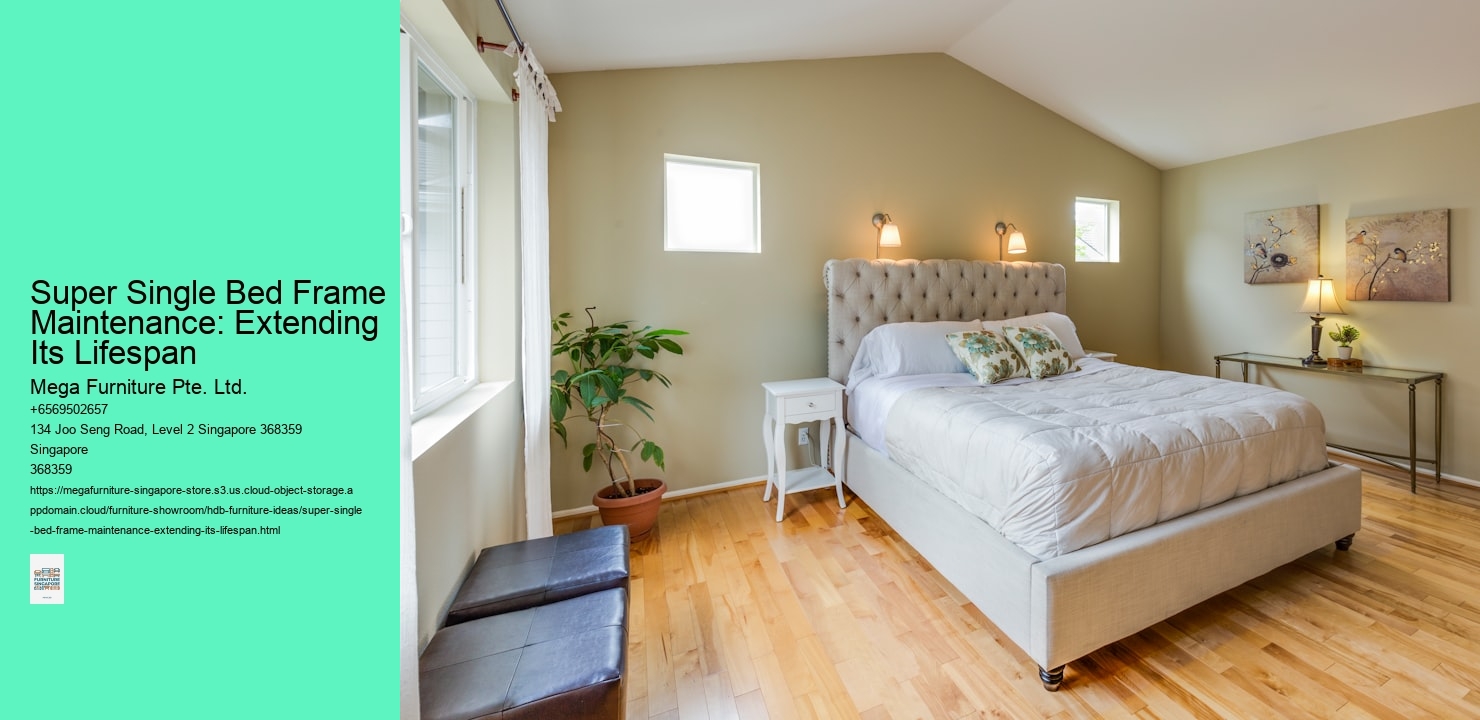
It’s easy to get fixated on the mattress when you’re shopping—the feel, the support, the promise of a perfect night. But the frame is what carries the load, day after day, and a Super Single’s particular dimensions create their own set of pressure points. In a compact 10 sqm bedroom, like those in many Eunos resale flats, every inch is utilised, and the bed frame is under constant, concentrated stress. That’s where the trouble starts, usually after about five years of faithful service.
The centre slats are the first to whisper their complaints. A Super Single, at 107cm wide, often relies on fewer slats than a Queen or King. Each one bears more weight per square centimetre, especially if the mattress isn’t perfectly centred. You might not notice a gradual bow at first, but it’ll manifest as a subtle dip in the mattress feel, or worse, a persistent squeak that emerges every time you shift position. That squeak isn’t random noise; it’s the sound of wood rubbing against a weakened support bracket or a metal hook that’s lost its tight grip.
Corner joints are another silent casualty. In a smaller room, you’re likely manoevering around the bed more, perhaps sitting on its edge to pull on shoes or using it as a temporary shelf. This repeated loading and unloading on the corners, where the side rails meet the head and foot boards, works the screws and dowels loose over time. A poorly constructed joint will start to visibly separate, letting the frame rock slightly—a telltale sign that’s often missed until you hear the telltale creak.

Then there’s the headboard attachment. Many people lean against it, read against it, or even accidentally knock it when rearranging the room. The forces aren’t huge, but they’re repetitive and focused on a few small connection points. In a frame where the headboard is bolted on rather than integral, those bolts can slowly shear or the receiving holes can enlarge. The result is a headboard that feels less secure, maybe even leans forward a tiny bit, which you’ll only discover when you try to adjust a pillow and feel the whole unit shift.
The lesson here isn’t to avoid Super Singles—they’re a perfect fit for many spaces. It’s to look past the mattress and interrogate the frame’s construction. Ask about the thickness and spacing of the centre slats, examine how the corners are joined, and check how the headboard is fastened. A frame that addresses these specific wear points will hold steady, silent, and supportive for a decade, not just five years.
A bed frame is the one piece of bedroom furniture you sleep on every night for years, so it's worth getting right rather than treating as an afterthought to the mattress. Shopping for a bed frame in Singapore comes down to three decisions: the size your room can take, the material, and whether you need storage built in. Sizes run from a 91cm single through to a king around 182 to 183cm — and the honest first step is measuring the room, the doorway, and the lift, since the bed has to get in before it can fit. Material sets the tone and the upkeep: wood for warmth, metal for a slim modern profile, upholstered or divan for softness. And in a compact flat, a storage frame turns the space under the mattress into the cheapest storage you'll ever add. Get those three right and the frame becomes a foundation you won't think about again for a long time..
West-facing bedrooms in Tanah Merah neighbourhoods get the afternoon sun and the December monsoon dampness at the same time, a combination that leaves fabric upholstery feeling sticky and smelling stale if you ignore it. Mould spores aren’t just a cosmetic issue—they can actually degrade the fibres in your velvet or linen headboard over a few seasons, turning a beautiful frame into a health concern. A monthly wipe-down routine is your best defence, and you can do it without harsh chemicals that might damage the fabric or leave a residue in your sleeping space.
Start by simply letting the room breathe. On a dry morning, open the windows wide for an hour before you begin. This helps lower the humidity level inside, making the cleaning more effective. Then, take a soft microfiber cloth—the kind you’d use for glasses or screens—and lightly dampen it with distilled water. Tap water here can contain minerals that might leave marks on delicate fabrics. Gently wipe the entire fabric surface, following the grain of the material. For velvet, always go in one direction to avoid crushing the nap; for linen, a gentle circular motion can lift dust without being abrasive.
After the initial wipe, tackle any visible spots with a homemade solution. Mix equal parts white vinegar and distilled water in a spray bottle; vinegar is a mild acid that kills mould spores without being toxic. Spray a tiny amount onto a clean cloth, never directly onto the fabric, and dab the affected area. Let it sit for a few minutes, then wipe it off with a cloth dampened with plain distilled water. The key is to avoid soaking the fabric, as excess moisture trapped inside the frame can become a problem itself. Follow up by going over the whole surface again with a dry microfiber cloth to absorb any lingering dampness.
Some people swear by using a handheld steamer for a deeper clean, but in our humidity that’s a risky move. The steam adds moisture to the air around the fabric, and if your room doesn’t dry out quickly afterwards, you’re just inviting more mould. The exception would be if you’re doing this on a brilliantly sunny, breezy day where you can guarantee the room will dry completely within an hour—but those days aren’t common during the monsoon. Stick to the damp-cloth method; it’s slower but far safer.
Finally, don’t forget the base. Fabric-wrapped platform bases or side panels collect dust and spores just as easily as the headboard. Give them the same monthly wipe-down, paying extra attention to the lower edges near the floor where damp air settles. Consistency is what makes this work—doing it once won’t help, but doing it every month, especially from November to January, will keep your bed frame fresh and extend its life considerably.
" width="100%" height="480">Super Single Bed Frame Maintenance: Extending Its LifespanRubberwood is a lighter hardwood, and that's the core reason it reacts more to our humidity. In a non-air-conditioned common bedroom of a 4-room BTO, the air's moisture gets into the timber fibres easily. Teak, on the other hand, is dense and oily, which naturally resists absorbing water from the atmosphere. This fundamental difference means the same level of humidity causes more physical change in a rubberwood frame than in a teak one. You'll see swelling and slight warping in rubberwood where teak would just sit there, steady as a rock.
Expect a rubberwood platform bed in that humid room to swell noticeably during the year-end monsoon period. The wood expands across its width, and that can stress joints or even cause a slight creaking sound over time. It's not a defect; it's just the material responding to the environment. For a landed property study, which might be better ventilated or even air-conditioned, teak experiences far less of this seasonal movement. That's why the maintenance schedules for these two woods are worlds apart.
For that BTO rubberwood bed, you need a proper annual conditioning routine. This isn't just a quick wipe-down; it involves applying a dedicated wood conditioner or oil after the drier months to help the timber rebalance. You're essentially replenishing the wood's natural defences against the next humid spike. Skip this, and the repeated swelling and contracting cycles can lead to more permanent deformation. Teak in a cooler, controlled study might only need a light polish every few years—it's a low-maintenance profile that many landed homeowners prefer.
The constant swelling puts extra pressure on the bed frame's joints, especially at the corners and where the platform supports meet the side rails. Over years, this can loosen fasteners or cause minor cracks if the wood moves too much against the hardware. A teak frame's stability means its joints largely stay as tight as they were on day one, even after decades. This is a key point buyers often miss: the wood type dictates not just surface care, but the long-term integrity of the entire frame's construction.
Choosing rubberwood means accepting a higher-care relationship with your furniture—it's a trade-off for the lower upfront cost. You're committing to that annual ritual to protect your investment. Opting for teak is buying peace of mind; you pay more initially for a material that largely looks after itself. For a humid common bedroom, the rubberwood route can work, but only if you're the type of owner who will actually follow the maintenance calendar. If you're not, the teak for the landed study makes more sense, even with its premium price tag.
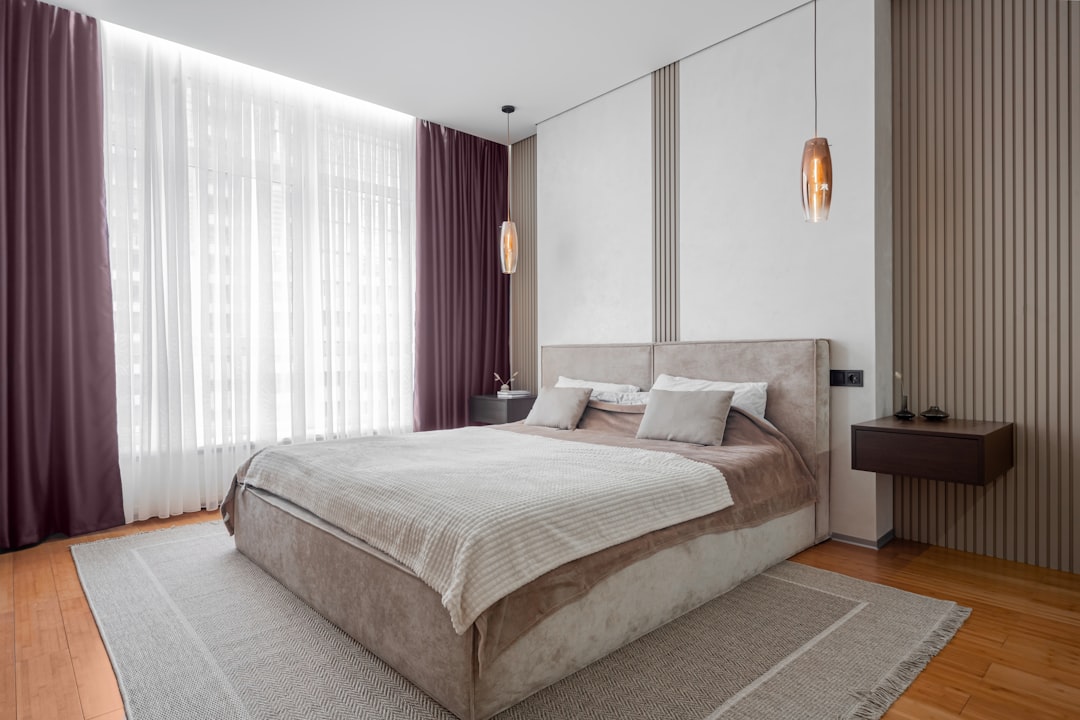
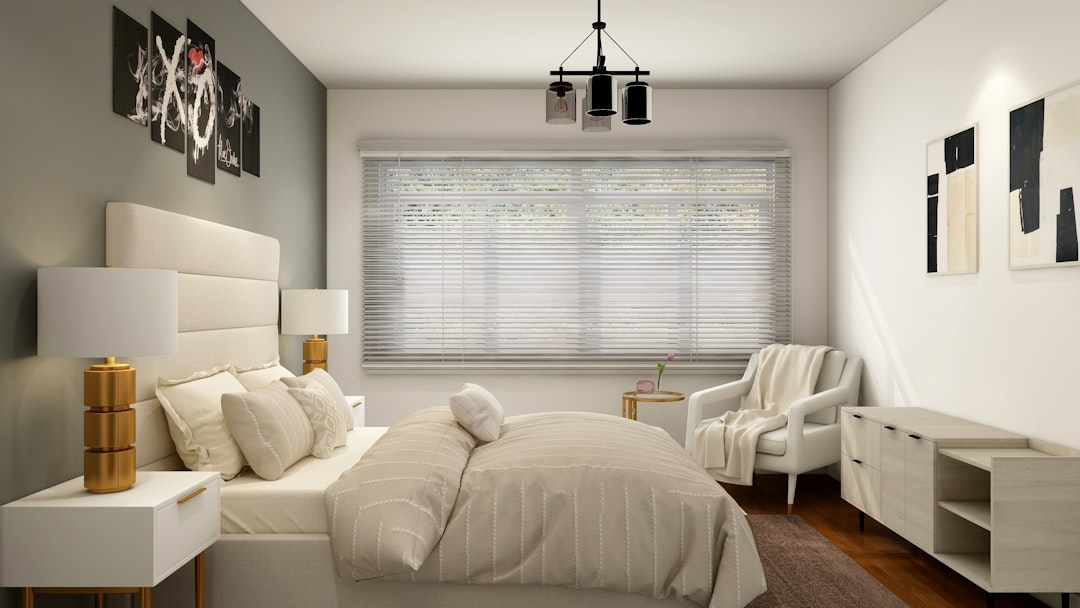
Those smooth-running drawers you see in the showroom can turn into a stubborn, grinding nightmare within a year in a typical family flat. It’s not the mechanism failing—it’s the environment winning. Every time you pull out a drawer, it acts like a tiny vacuum, sucking in a fine mix of dust, lint from bedding, and pet hair if you’ve got a furry companion. In a 4-room BTO where the air is constantly circulating, that accumulation happens quietly but relentlessly. The tracks, those narrow metal channels, become clogged. What starts as a slight hesitation when you push eventually becomes a full jam, where the drawer won’t close flush or requires a forceful shove that strains the runners.
Quarterly cleaning isn’t a luxury suggestion; it’s the bare minimum to keep the system functional. You’ll need to pull the drawer out completely—not just peek inside—and wipe down the tracks with a dry cloth to remove the loose debris, followed by a slightly damp one for the sticky bits. A vacuum nozzle can help, but be careful not to bend any of the small ball bearings or wheels if your system uses them. The real trap is thinking this is a one-time fix after a jam occurs. Once those runners are misaligned from forced use, they often won’t realign perfectly, leading to a permanent drag and eventual failure. That smooth glide you paid for is gone.
For households with pets, the schedule might need to be even more frequent. Fabric fibres from your sheets and pet hair are a particularly clingy combination, forming little felted mats in the track corners. You might notice the problem first during the more humid periods of the year, when the air feels heavier and dust seems to settle more readily. The drawer starts to feel uneven—one side moves freely while the other sticks. Ignoring that feeling is where the damage sets in. The strain isn’t just on the drawer; it transfers to the frame’s attachment points, potentially loosening screws over time.
So yes, a storage bed solves a real space problem in our flats. But opting for the drawer version means committing to a maintenance ritual. If you know your lifestyle can’t accommodate that quarterly check—maybe you’re constantly busy or simply forget—then the hydraulic lift-up storage, while needing overhead clearance, avoids this particular trap entirely. It’s a single moving part that doesn’t invite the same granular invasion. The drawers are fantastic for organised, accessible storage, but they come with a silent, dusty price.
A Super Single bed frame measures 107cm wide by 190cm long, making it a versatile fit for many HDB common bedrooms. In a typical 12 sqm room, this size leaves enough floor space for a study desk or wardrobe while maintaining accessibility. It's crucial to check your lift door width—often around 90cm—to ensure the frame components can be delivered and assembled without issue.
The biggest mistake you can make is buying a bed frame based on a thumbnail image and a three-word description. Online listings will tell you a fabric is "luxurious" or a mattress is "medium firm," but those terms don't translate to your back or your living room's reality. That's why a trip to a showroom isn't just browsing—it's essential research. You need to put your hands on the materials and your weight on the structure.
Go to a Megafurniture showroom and sit on the edge of a fully assembled display bed. Don't just perch—settle your full weight there, the way you'd actually sit to read or chat. That's the spot that'll get the most strain over years. Feel for any wobble or creak in the frame joints. For upholstered beds, run your fingers across the fabric weave. A tight, dense weave will hold up better against daily friction and the occasional pet claw than a loose, nappy texture. Darker colours and subtle patterns are practical choices for hiding the inevitable dust and minor stains that accumulate in a humid flat.
The in-house mattress line is a key reason to visit. Firmness ratings are subjective; a "medium" that feels perfect for one person can be a torture slab for another. Lie down on the display models. Spend a few minutes in your usual sleeping position. Pay attention to how your spine aligns and whether there's any pressure building around your shoulders or hips. You'll know within a minute if it's a match or a mismatch—that's a decision you can't make from a website slider.
The only time you'd skip this hands-on check is if you're ordering an exact replacement of a frame and mattress you already own and love. Otherwise, you're gambling on a piece that you'll use every single day. A bed frame isn't a decorative item you glance at; it's a functional piece you interact with physically. Seeing it in a room setting also helps you gauge its true scale against your own bedroom's dimensions, which online dimensions alone can distort.
So make the trip. It turns an abstract purchase into a concrete one. You'll leave either confident in your choice or clear on what you need to look for elsewhere, and that clarity alone saves you time and potential regret.

Can a Super Single bed frame fit two adults? It can, but it's a tight fit. A Super Single is 107cm wide, which gives each adult about 53cm of personal space—that's less than half a Queen's width. It's a viable option for a couple in a very small room or for kids who share, but most adults will find it cramped for nightly use. The only real exception is if you're both very petite and prefer sleeping close; otherwise, you'll likely upgrade to a Queen within a few years.
What bed frame material is best for HDB humidity? For our climate, you want something that won't swell or warp. Solid wood and plywood are your best bets—they're stable and resist moisture well. Particleboard and MDF are the ones that can soften and crumble in sustained high humidity. A kiln-dried rubberwood frame is a solid, affordable choice that holds up. Metal frames are fine too, but they can feel colder and sometimes develop squeaks over time.
How to stop a metal bed frame from squeaking? First, check all the bolts and tighten them properly—often the noise comes from loose joints. If the squeak persists, it's usually metal parts rubbing against each other. You can try putting a thin layer of felt or rubber padding between the contact points. A more permanent fix involves disassembling the joints and applying a lubricant like graphite powder, but that's a hassle. Honestly, if a metal frame starts squeaking badly, it's often a sign the joints are wearing out and you might be better off replacing it.
Is a platform bed better than a divan for back pain? This one's honestly a toss-up, because it depends more on your mattress than the frame. Both types provide solid support if they're well-made. A platform bed offers a firmer, uniform base, which some people prefer. A divan, with its sprung base, adds a little extra cushioning and can feel softer. The key for back pain is ensuring your mattress is properly supported without sagging—so whichever frame you pick, make sure it's sturdy and doesn't have gaps where the mattress can dip.
Got storage or not? For a Super Single in a typical HDB common bedroom, a storage bed is almost always the smarter choice. You're using a smaller bed to save space, so you need to maximise what's underneath. Hydraulic lift-up bases need overhead clearance, while drawers need floor space beside the bed. If your room is extremely tight, maybe a simple low platform is better, but that's the rare case. Most people in a 4-room BTO flat will find the extra storage for luggage or bedding invaluable.
You can feel the difference after a few humid nights. A mattress on a solid base develops a faint dampness, a subtle warmth that lingers even after you've switched off the fan. That's the breathability trade-off staring you down in a non-air-conditioned common bedroom, especially in a three-generation flat where the room gets used all day. The clean, minimalist look of a solid panel is undeniable—it’s sleek, it feels substantial, and it offers that unbroken aesthetic many modern layouts crave. But beneath that mattress, trapped air and moisture start a slow, unseen process that can shorten its lifespan considerably.
Ventilated slats, those spaced wooden rails, are the pragmatic counterpoint. They allow air to circulate, letting the mattress breathe and wicking away the humidity that Singapore’s climate insists on delivering. For a Super Single in a shared room, perhaps occupied by a teenager or a grandparent, this isn’t just about comfort overnight. It’s about preventing the core from becoming a breeding ground for mould and mildew over years, which degrades the materials and leads to premature sagging. The slatted base is the unsung hero of mattress longevity in our environment.
So, which one wins? For most households here, the slats are the smarter long-term investment. The only real exception is when you’ve got a specific mattress type, like a memory foam or latex one, that the manufacturer explicitly states requires a solid, firm foundation for proper support. Otherwise, that gap between aesthetic preference and functional need is clear. The solid panel might win the mood board, but the ventilated slats win the decade-long reality of a humid 4-room flat.
It’s a choice that often gets overlooked at the point of purchase, where you’re focused on colour and storage drawers. Yet, the base you select dictates how well your mattress—a significant investment itself—weathers the years. Opting for slats means accepting a slightly more traditional look under the bed, but it also means committing to a drier, healthier sleep surface that stands a better chance against the relentless 80%+ humidity. That’s a trade-off worth making, unless your mattress instructions say otherwise.
Measure your doorway and staircase corners. This isn’t about the bedroom door—it’s the lift door, that 90cm opening, and the tight turn at the corridor corner that decide whether your new frame arrives smoothly or becomes a staircase drama. Mattresses can bend, but a rigid super single frame won’t. Leave a 2–5cm buffer; skirting eats space you don’t see until the delivery day.
Confirm how the old frame gets out. Many buyers forget this part. Free delivery often covers bringing the new one in, but taking the old one away? That’s another matter. If you’re in a block with narrow staircases, there’s likely a surcharge. Check the disposal method before you commit, or you’ll end up with two frames in your 12 sqm room for a week.
Your budget’s finalised, typically between $800 and $2,500 for a durable replacement. That range covers a solid plywood or kiln-dried rubberwood frame that’ll last. The lower end gets you a decent platform bed; the higher end opens up options like integrated storage or a more robust finish. Don’t stretch for features you won’t use, but recognise that a proper timber frame is an investment against humidity and daily wear.
The only time I’d suggest trimming that budget is if your access is truly straightforward—a ground-floor unit with wide doors, perhaps. Then, a simpler platform frame can do the job without the storage or hydraulic lift complexities. Otherwise, allocate for the piece that actually fits your space and lasts.