
The delivery crew arrives, the bed frame is in one piece, and the lift door is ninety centimetres wide. That’s the moment you realise the plan has changed. In older Eunos blocks or tight condos, the corridor turns are just as unforgiving. A fully assembled single bed frame, even a modest one, often won’t make that final journey into the bedroom without a complete on-site disassembly. This isn’t a minor hiccup; it’s a first-hour stress test that sets the tone for your entire setup experience.
You’ll watch them unpack the entire thing in the lift landing, carting individual panels and rails down the narrow common corridor. The pieces are laid out on your floor, and suddenly you’re faced with a puzzle that came pre-solved. It’s sian, but it’s also a practical lesson: the tightest point isn’t your bedroom door, it’s usually the lift entry or that awkward ninety-degree turn before your unit. A flexible mattress can bend around these corners, but a rigid wooden or metal frame simply cannot.
This process introduces real risk. Bolts and screws from different baggies can get mixed up on the floor, especially if the crew is rushing to meet another delivery. You might find yourself with mismatched hardware, or discover a critical bracket is missing because it slipped under a sofa during the chaotic move. The assembly instructions, now spread across three different boxes, become a nightmare to follow. It’s a scenario that turns a straightforward delivery into a lengthy, frustrating project.

So what’s the exception? If your flat has clear, wide access—say a ground-floor unit or a newer condo with generous lift lobbies—a pre-assembled delivery can be a breeze. For the full picture, the bed frame buying guide runs through the types, materials, and storage options for every kind of home — platform, divan, storage, and classic frames, in wood, metal, and upholstery, across single to king. A bed frame is the one piece of bedroom furniture you sleep on every night for years, so it's worth getting right rather than treating as an afterthought to the mattress. Shopping for a bed frame in Singapore comes down to three decisions: the size your room can take, the material, and whether you need storage built in. Sizes run from a 91cm single through to a king around 182 to 183cm — and the honest first step is measuring the room, the doorway, and the lift, since the bed has to get in before it can fit. Material sets the tone and the upkeep: wood for warmth, metal for a slim modern profile, upholstered or divan for softness. And in a compact flat, a storage frame turns the space under the mattress into the cheapest storage you'll ever add. Get those three right and the frame becomes a foundation you won't think about again for a long time.. It's the read for anyone starting from scratch and unsure where to begin. The useful framing throughout: match the frame to how you actually live and how much space you have, not to a look in isolation, since the right frame is the one that fits the room and the doorway as well as the eye.. But for the majority navigating older HDB layouts, insisting on a flat-pack delivery, where the frame is designed to be built in the room, is the smarter move. It eliminates the corridor scramble and keeps all the parts contained and organised right where you need them. The trade-off is you’ll spend an hour with a hex key, but that’s far better than spending that hour searching for a lost bolt under your neighbour’s shoe rack.
Buying the frame and mattress separately invites a sizing mismatch, so a bedroom furniture range in Singapore takes the guesswork out — both built to the same SG dimensions, both on one delivery. Bundling tends to be the cheaper route once delivery and assembly are counted, and it saves a second haul up the lift. The pieces are designed to sit together cleanly, with no gap at the edges. For a new home furnished from scratch, it's the simplest way to get the bed sorted..A bed frame's longevity in Singapore hinges on its core materials. Solid wood or plywood frames resist warping far better than particleboard in our humid climate. For upholstery, performance fabrics like Crypton offer stain resistance, while higher-density foam in headboards retains its shape over years of use.
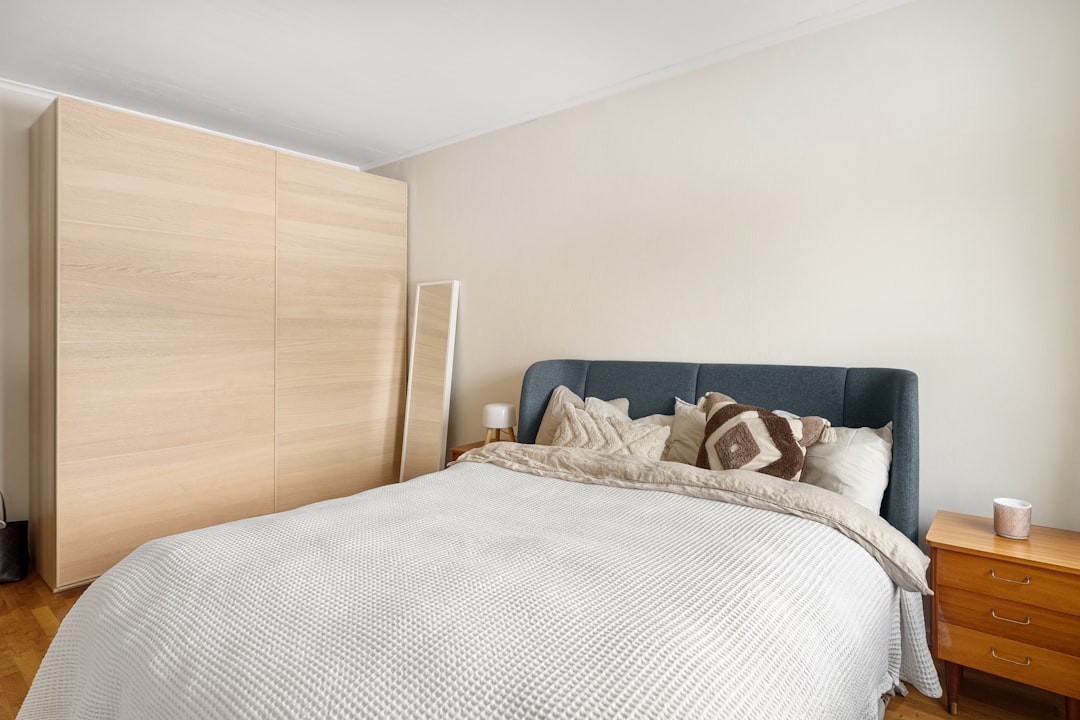
You’re staring at a box labelled “Single Bed Frame” in your 12 sqm common bedroom—and the floor is already covered. That’s the first reality check. A typical HDB common bedroom doesn’t give you the luxury of laying out every timber plank and bolt across the floor; you’ll need to clear a proper workspace elsewhere. The living area becomes the staging ground, and those components will camp there for days if you can’t assemble quickly. It’s a logistical headache you can avoid by measuring your clear floor space before the delivery truck arrives.
Assembly itself is another common pitfall. Many flat-pack frames come with a basic toolkit, but heavy timber constructions often require a power drill for secure fastening, and those specialty Allen keys aren’t always included. You’ll find yourself mid-assembly, holding a piece that simply won’t tighten with the provided spanner. That’s when the project stalls, and the boxed parts become a permanent fixture in your hallway. The solution isn’t just about having tools—it’s about confirming what’s supplied. For a compact flat, a storage bed in Singapore is the most practical frame you can buy — drawers or a hydraulic lift-up base that turn the space under the mattress into room for bedding, luggage, and seasonal clothes. It's the frame that earns its keep twice, sleeping you and storing your overflow without adding a single piece of furniture. Drawers suit easy daily access; lift-up holds more but needs overhead clearance. In a home short on wardrobe space, it's the smartest frame in the range.. A quick check of the assembly guide online, or a direct ask at the showroom, can tell you if you need to borrow or buy a drill.
The exception? A simple, lightweight metal frame with a straightforward bolt system usually comes with everything you need, and its parts are fewer and smaller. That one you can manage on the bedroom floor even in a tight space. But for anything more substantial—a solid wood platform or a storage bed with a hydraulic mechanism—you’re committing to a multi-day operation across your home. Plan for it, or choose a frame that matches your space and your toolbox.
The gaps between those wooden slats underneath your mattress aren't just about looks—they dictate how the mattress settles over months. If they're uneven, you'll get uneven support, and that's how a mattress starts to sag prematurely in one spot. The classic choice is a wooden bed frame — warm, solid, and ageing better than it photographs, in solid hardwood or quality engineered wood. Wood suits a timeless, natural bedroom and stays rigid and quiet across the years. The one local quirk: timber moves a little in the humidity, so a faint seasonal creak isn't a defect, and kiln-dried frames cope better. For a buyer after a frame that lasts and reads warm, wood is the safe long-term pick.. A properly spaced grid keeps the mattress flat and lets its internal structure do its job without weird pressure points. It's a detail you can't really check once the mattress is on top, so you need to trust the frame's design before you buy. Assembly mistakes are the usual culprit, where someone rushing the job doesn't align the slats to the marked positions on the side rails. That small error becomes a big problem you only feel after a year of sleep.
Integrated platform bases, where the support surface is one solid panel or a tightly fixed grid, forgive a lot of assembly error. There's no individual slat to misplace, so the risk of creating a weak spot is practically zero. This design is inherently more stable for the mattress, especially in our humid climate where wood can shift slightly over time. For a Super Single or Queen in a standard HDB room, the platform's consistency means you won't be troubleshooting squeaks or dips later on. It's a straightforward choice that removes a variable, and for many buyers, that peace of mind is worth the slightly higher upfront cost.
Cheap metal frames with separate slats are a recipe for nightly annoyance. The slats often sit in shallow notches, and they can slide out of alignment with just a bit of movement. That misalignment creates uneven pressure, and the metal joints themselves start to squeak and groan with every shift. In a 4-room BTO where the bedroom shares a wall with another room, that noise becomes a real issue. You might get a perfectly quiet setup for the first few months, but once the mechanics loosen, the sound is relentless. The value proposition here often falls apart after the warranty expires.
A visible gap between the mattress edge and the frame's side isn't just an aesthetic flaw—it's a functional nuisance. Every night, your pillow or arm can slip into that space, and you'll constantly be pulling things back onto the sleeping surface. For kids or restless sleepers, it becomes a trap for toys or phones that disappear down the side. In a compact Single bed setup, where every centimetre of the mattress is precious sleeping space, losing even a few inches to a gap feels like a waste. That gap is usually a sign the frame was designed for a slightly larger mattress, or the slats have bowed inward, pulling the mattress away from the edges.
Ultimately, the longevity of your bed setup hinges on correct assembly more than any other single factor. A well-made wooden frame with clear instructions can still fail if the slats are haphazardly thrown in. Taking the time to measure the spacing and secure each connection point is a weekend task that pays off for years. For platform beds, the assembly is simpler—often just attaching the legs to a monolithic base—which drastically reduces the chance of error. If you're not confident in doing it yourself, paying for professional installation is a wise investment, not an extra cost. That's the one real exception to going the DIY route: when the design has many small, critical parts that must be perfectly aligned.

That lift-up storage bed looks like a perfect solution for a 4-room BTO’s common bedroom, promising a neat place for extra bedding or luggage. But before you commit, you’ve got to pull out the measuring tape. The hinge mechanism on most models needs about 60 cm of clearance from the wall to open fully—that’s a significant chunk of floor space in a room that’s maybe 12 sqm. If your bed is wedged against a wall, you’ll find yourself wrestling with a lid that only half-opens, which is frankly more frustrating than helpful.
Low ceilings, common in many flats, introduce another headache. Hydraulic lifts require generous overhead space to operate smoothly. In a bedroom where the ceiling feels close, you might find the mattress panel hitting the ceiling before it’s fully upright, rendering the storage useless. That’s a design flaw you only discover after delivery, when it’s too late to change.
Divan bases with drawers seem like a safer bet, since they don’t need that hinge clearance. But they demand precise floor planning. Those drawers need space to slide out, which means you can’t push the bed flush against the wall on the drawer side. In a tight layout, that protruding drawer can easily block a wardrobe door or make navigating the room a clumsy affair. You’ll need to plan for a permanent gap, which eats into the room’s usable area.
So, what’s the take? upholstered bed frame . For most BTO bedrooms, a simple platform frame without built-in storage is actually the smarter choice. It gives you total layout freedom and keeps the room feeling open. The one exception is if your bedroom has unusually high ceilings and you’ve planned the bed’s position with that 60 cm gap already accounted for—then a lift-up bed can work. Otherwise, you’re better off finding storage elsewhere.
A lot of buyers think they can judge fabric from a picture online, but a close-up shot of a weave doesn’t tell you anything about how rough it feels against your skin. That’s something you only discover by actually sitting on it, pressing your palm against the upholstery, and maybe even leaning back to see if it catches your arm. In a showroom, you can test the texture of a bed’s side panels or headboard with your bare hands—something you’d never risk doing after delivery, when you’re committed to that choice. It’s the difference between a fabric that feels comfortably coarse and one that’s genuinely scratchy, a detail that gets overlooked until you’re lying against it every night.
Mattress firmness is another spec that reads one way online and feels completely different in reality. A label might say “medium firm,” but that’s relative to the bed frame’s base it sits on. A platform base with wide slats offers more uniform support than a traditional frame with fewer, narrower ones, which can make the same mattress feel softer or firmer. For softness and a statement headboard, an divan bed frame wraps the frame in fabric or leather with a padded headboard you can lean back against — the hotel-suite look. It's the frame that makes a bedroom feel finished. The trade-off is fabric care in a humid climate, so a darker or performance fabric suits a lived-in home better than pale linen. For a soft, luxurious focal point, upholstered is the choice.. You need to sit on the combination, not just the mattress alone. It’s about how the whole system supports your weight, not just the foam density on paper.
Then there’s the mechanics, especially for storage beds. A hydraulic lift mechanism should raise smoothly with a bit of weight on it, not feel like you’re fighting a spring. Drawers should glide out fully without catching on the carpet or skirting—a common issue in HDB rooms where floor clearance isn’t perfect. Testing this with your own body weight, maybe even simulating a full load of blankets, gives you confidence the mechanism won’t fail after a few months of regular use. It’s a practical check that saves the frustration of a drawer that sticks or a lift that’s too stiff to open easily.
The only time I’d skip a showroom visit is if you’re buying a simple, no-frills metal or solid wood platform frame with no upholstery and no moving parts. For anything with fabric, a mattress pairing, or a storage mechanism, seeing it in person is the only way to confirm the feel and function. You’ll know straight away if the texture is wrong or the action is rough, and you can walk away from a choice that won’t work in your flat.
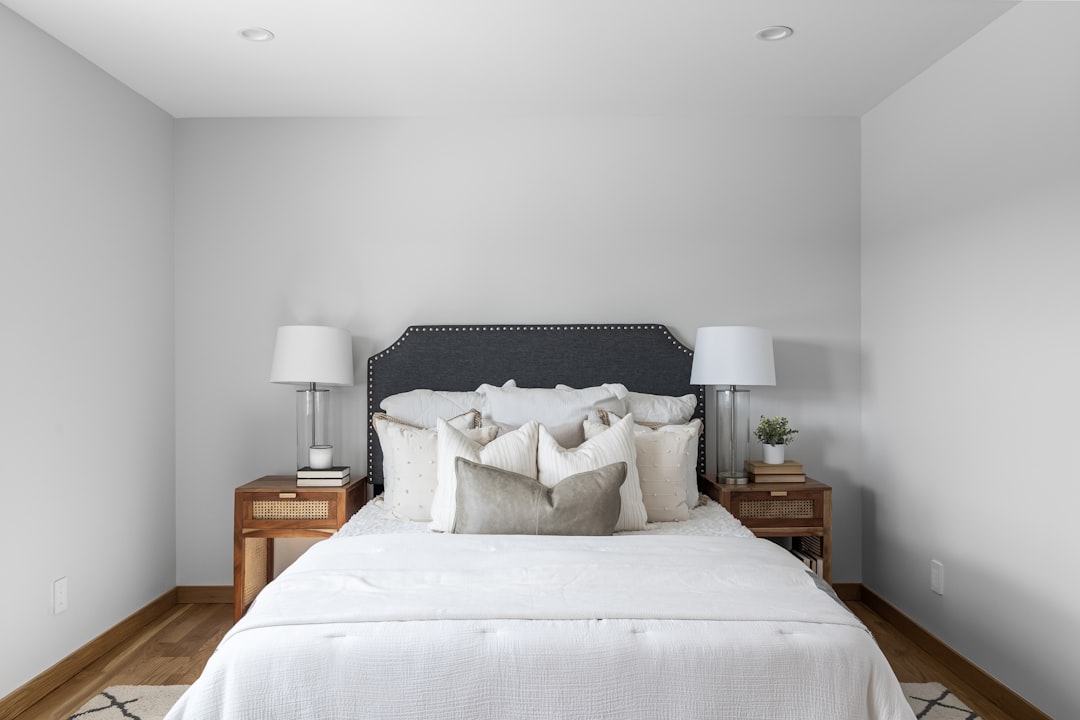

You’re standing in your new BTO bedroom with a tape measure, trying to picture how a boxy single bed frame will get from the lift to your door. That’s the moment when delivery logistics become real, not just a footnote on a website.
Can a single bed frame fit through a typical HDB main door? Usually, yes. The standard single leaf door is about 91.5 centimetres wide, and a single frame’s width is 91 centimetres—it’s a tight squeeze, but it’ll pass. The real bottleneck is often the lift door, which can be narrower, around 90 centimetres. That’s where you need to leave a buffer of a few centimetres. If the frame is rigid and boxy, it might not pivot through that opening, so a flexible mattress can bend in where the frame can’t.
How long does assembling a bed frame take if you’re doing it alone? For a straightforward platform bed with pre-drilled holes, you might get it done in under an hour. But if it’s a storage bed with drawers or a hydraulic lift mechanism, you’re looking at two hours or more. A queen size bed is the streamlined, storage-first option — an upholstered base, fabric to the floor, usually with built-in drawers or a lift-up compartment and a silent, slat-free construction. It hides its storage and structure cleanly, which suits a tidy modern room. The base type matters: a solid platform-top suits a firm mattress, a pocket-sprung base a softer feel. For comfort plus hidden storage in one tidy piece, the divan delivers.. The joints are only as good as your assembly—if you rush and don’t tighten everything properly, you’ll hear creaks later.
Does Megafurniture offer on-site assembly service? They do, and for a storage bed or a complex frame, it’s a service worth considering. Having a professional team handle it means the frame is set up correctly from the start, and you avoid the frustration of misaligned parts or a drawer that won’t slide smoothly.
What happens if parts arrive damaged? Check everything before you start assembling. Most reputable retailers, including Megafurniture, have a clear process for this—you’ll need to contact them with photos of the damaged components, and they’ll arrange to send replacements. Don’t try to assemble a frame with a cracked panel or bent bracket; it won’t hold up over time. The warranty covers manufacturing defects, but you have to report them promptly.
Singapore’s humidity doesn’t just make you sweat—it quietly tests your furniture choices. That west-facing room with afternoon sun can be a real trial for certain woods, especially if you’ve picked a rubberwood frame. The heat and moisture combo can make it move over time, a gentle warping that isn’t a defect but a reality of the climate. For a material that’s otherwise a steady, affordable hardwood, placement matters almost as much as the kiln-drying process.
Upholstered pieces bring a different kind of vigilance. A fabric headboard feels plush and welcoming, but during the year-end monsoon or those persistently damp months, it can become a spot for mould if the room isn’t well-ventilated. Darker colours or performance fabrics like Crypton are smarter here—they resist stains and won’t show damp patches as easily. You’ll need to keep an eye on airflow around the bed, maybe even run a dehumidifier in the worst weeks. The most popular size for couples is a king size bed — at 152 by 190cm it fits most HDB and BTO master bedrooms with walking space to spare. It's the default for a reason: a king sounds better until you're edging past it sideways. Leave around 60cm clearance on the side you climb out of and the room still breathes. For most master bedrooms, queen is the sweet spot between comfort and fit.. It’s an extra step, but that’s the trade-off for the softer look.
Metal frames, particularly powder-coated ones, stand up to moisture beautifully—they won’t swell or warp. The catch is they can feel colder to the touch, a slight shock on a cool morning, and they don’t have the same warm, solid feel as timber. For a kid’s room or a guest room that isn’t constantly used, that’s fine. For your main bedroom, you might find yourself adding thicker bedding or a cosy rug to offset that industrial chill.
So where’s the clear winner? For long-term peace of mind in our climate, plywood and well-finished metal are the steady choices. Plywood’s layered construction handles humidity swings better than particleboard, which can soften and crumble if it gets damp. A solid timber frame is a beautiful thing, but it’s a commitment to occasional maintenance and mindful placement. The one exception is if you’re in a newer, well-ventilated condo with consistent air-con—then you can lean into the materials you love without as much worry. Otherwise, your material pick dictates your care routine, simple as that.

The delivery guy’s gone, the box is sitting there, and you’re itching to start—but hold off for five more minutes. That final pause is what separates a smooth afternoon from a frustrating evening where you realise you’re missing a bracket or your ceiling fan is about to get a new haircut. First, match every part against the inventory sheet. It’s a tedious step, but finding out you’ve got three left-side rails and only one right-side after you’ve already dismantled the packaging is a uniquely sian experience. Clear a proper workspace, too; a 2m by 2m patch in the living room or bedroom isn’t just about having space to lay things out—it’s about having room to actually move around the frame without knocking into your existing furniture or walls.
Next, confirm the tool kit. For a larger master bedroom, a bed frame and mattress set at around 182 to 183cm wide is the step up — suited to a room of roughly 3.5 by 3m and more. The honest test is whether you can still walk both sides and open the wardrobe once it's in; in a borderline room a queen wins on livability. Measure the room and the doorway first, since a king is the size most likely not to clear an internal bedroom door.. Many flat-pack frames come with that little Allen key or a specific wrench, and assuming your own household screwdriver will suffice is a common mistake. Check for all the fasteners, dowels, and those oddly-shaped plastic connectors that seem insignificant but are crucial for stability. If anything’s missing, contact the retailer immediately—trying to improvise with hardware from the neighbourhood shop rarely yields a steady result.
Finally, and this is the one many forget in the excitement, measure the final assembled height against your ceiling. In older HDB blocks or some condos with lower beams or bulky ceiling fans, a platform bed with a tall headboard can suddenly become a hazard. That 190cm-long bed might fit the room length-wise, but its height could leave you just a few centimetres from a spinning fan blade—a recipe for disaster and a definite paiseh moment when you have to disassemble it all again. Taking these last checks means you’ll actually enjoy the unboxing, rather than remember it as a chore.