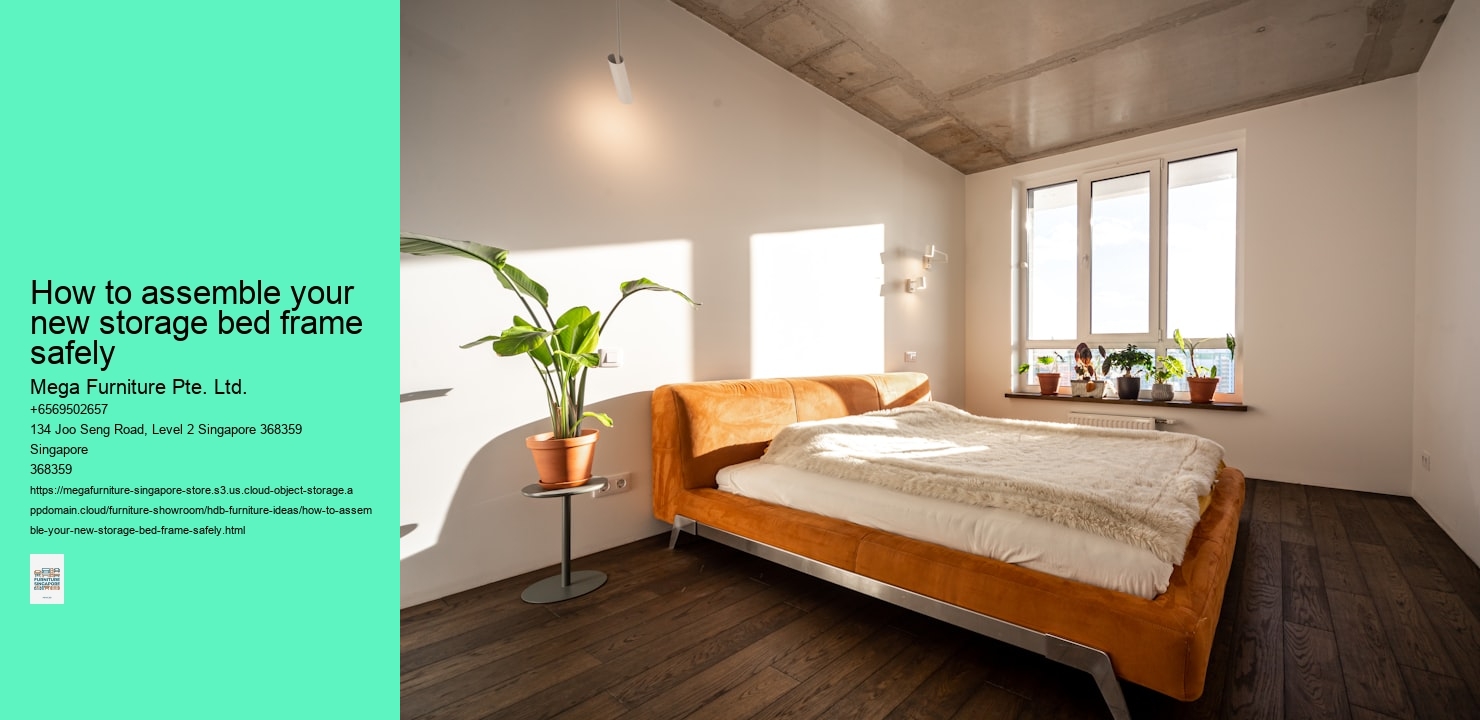
It’s a classic scene: the Queen-size bed arrives, you’ve got the mattress ready, and then you realise the wardrobe door won’t open. The bed’s corner is blocking it completely. That’s because a 152 by 190cm Queen frame isn’t just a rectangle on a floor plan—it’s a physical object that needs to coexist with doors, drawers, and ventilation grilles. In many 4-room layouts, the master bedroom is around 3.5 by 3 metres, which technically fits a Queen. But that’s the empty-room measurement. You need to subtract the space for everything else.
Start with the corners. A wardrobe door swings out, and a typical internal bedroom door is about 91.5 centimetres wide. If your bed placement puts a corner within that swing radius, you’ll be climbing over the bed to get to your clothes. Then consider the bedside table. A standard 60cm deep one needs floor space, not just a surface to rest a cup on. If you jam the bed against a wall to maximise floor area, you might block the air-conditioner’s return air grille or a window that needs opening. That’s a year-round comfort problem, not just a furniture one.
The real fix is to measure with a tape, not just eyeball it from a floor plan. Mark out the bed’s footprint on the floor with masking tape, including the full depth of any storage drawers that pull out. Then walk the room. Can you open every door fully? Can you access every storage compartment without contortion? There’s one exception: if you’re absolutely certain you’ll never use the wardrobe’s lower drawers or that particular corner, you might accept the blockage. But for daily living, that compromise gets annoying real fast.
Finally, think about the bed frame itself. A bed frame is the one piece of bedroom furniture you sleep on every night for years, so it's worth getting right rather than treating as an afterthought to the mattress. Shopping for a bed frame in Singapore comes down to three decisions: the size your room can take, the material, and whether you need storage built in. Sizes run from a 91cm single through to a king around 182 to 183cm — and the honest first step is measuring the room, the doorway, and the lift, since the bed has to get in before it can fit. Material sets the tone and the upkeep: wood for warmth, metal for a slim modern profile, upholstered or divan for softness. And in a compact flat, a storage frame turns the space under the mattress into the cheapest storage you'll ever add. Get those three right and the frame becomes a foundation you won't think about again for a long time.. A storage bed with drawers needs extra clearance on the sides for them to open smoothly—sometimes another 5 to 10 centimetres beyond the frame’s stated width. A hydraulic lift-up base needs overhead clearance for the mattress to tilt; a low ceiling or a bulky headboard can interfere. So your measurements must account for the mechanism, not just the static box. Get this right, and the bed becomes a functional centrepiece. Get it wrong, and you’ll be rearranging the entire room or living with a permanent inconvenience.
" width="100%" height="480">How to assemble your new storage bed frame safelyChoosing the correct bed frame size ensures it fits your Singapore bedroom. A Queen size frame, measuring 152x190cm, is the standard fit for most HDB master bedrooms. Always leave approximately 60cm clearance on the exit side for comfortable access. Consider your room's layout before finalising the purchase.
A hydraulic lift-up bed looks sleek in a showroom, its smooth opening promising effortless access to a cavern of space below. But that promise hinges on the weight you’re lifting each week. A King frame with a thick mattress—that’s a hefty panel you’re raising, often with bedding still on top. In our humidity, the wooden panels can warp slightly over time, making the mechanism feel sticky or uneven. You’ll find yourself wrestling with it every time you need to stash a fresh duvet or retrieve luggage, and that weekly chore becomes a genuine physical effort. For daily or weekly access, that’s sian.
Drawers, on the other hand, slide out with a simple pull. They need floor space beside the bed to open fully, which isn’t always possible in a tight 3-room BTO layout where the bed is wedged against a wall. But if you’ve got the room, especially in a landed home with wider bedroom footprints, drawers are the practical choice for regular use. You can grab a single item without clearing the entire mattress surface. The lift-up mechanism is better suited for condos or homes where you’re accessing that storage only seasonally—for Christmas decorations or winter coats you don’t need in Singapore. It’s for the stuff you store once and forget for months.
Consider the overhead clearance too. A hydraulic lift needs space above the bed to open fully, which rules it out if you’ve got a low-hanging ceiling fan or a built-in shelf above your headboard. Drawers don’t care about that. The one real exception where lift-up still wins is for those who genuinely need to maximise cubic volume under the bed for bulky, infrequently used items. If your storage is for annual monsoon-season gear or a collection of suitcases you only touch when travelling, and you’ve got the strength and a stable, dry environment, then the lift-up’s deeper cavity makes sense. For everything else—the weekly linen change, the regular wardrobe rotation—the drawer system is the steadier bet.
Singapore's humidity sits around eighty percent most of the year, a fact that quietly dictates furniture longevity. It's not just about the wood you see, but the unseen core that can betray you after two humid seasons. Particle board and MDF cores are the usual suspects—they absorb moisture from the air and swell, softening at the edges until drawers won't slide. That nice-looking frame in a showroom might have a perfectly sealed surface, but the internal structure is vulnerable if it isn't properly protected. Choosing a frame with a water-resistant core or a fully sealed plywood construction avoids this slow-motion disaster. It's a detail often overlooked in the excitement of a new purchase, but it's the one that determines whether your bed lasts five years or fifteen.
A proper seal isn't just a glossy finish; it's a barrier that locks out moisture from every angle. Solid rubberwood, a common affordable hardwood here, needs that comprehensive coating, especially on all edges and joints. Ground-floor units and rooms near windows face even more ambient moisture, so the sealing standard has to be higher. Check for mentions of "water-resistant coatings" or "humidity-treated finishes" in the product details—these aren't marketing fluff but essential specifications. Without them, even a sturdy hardwood frame can develop mould spots or warping over time, particularly in the monsoon months. That initial investment in a properly sealed piece pays off by preventing costly replacements or repairs later.
Under-bed storage compartments need airflow, not just access. In a typical 12 sqm HDB common bedroom, the bed often sits flush against the wall, trapping stagnant, humid air underneath. That trapped air becomes a pocket of moisture, slowly affecting the frame material and any stored items. Leaving a deliberate gap—even just a few centimetres—between the bed base and the wall allows for some circulation. For hydraulic lift-up storage beds, ensure the mechanism doesn't block vents or create a completely sealed cavity when closed. It's a simple layout consideration that dramatically extends the life of both the frame and whatever you keep inside it.
Don't just trust the label saying "solid wood"; ask about the internal construction. Many frames use a hybrid build where the visible panels are solid timber but the internal supports or drawer boxes use a cheaper, susceptible core. During your research, specifically inquire if the entire frame—including all internal parts—is built from humidity-stable materials. Plywood is a good option here because it's engineered to resist swelling, unlike particle board. If the seller can't confirm, that's a red flag worth walking away from. This level of scrutiny feels kiasu, but in our climate, it's the practical step that separates a wise buy from a regret.
The true cost of a bed frame isn't its sticker price, but its lifespan in your flat. A frame that succumbs to humidity means you're shopping again in a few years, dealing with disposal and another delivery. Prioritising materials and construction that withstand our environment is a value-first mindset, even if the initial cost is slightly higher. Think of it as buying peace of mind for the next decade, especially if you're furnishing a BTO you plan to stay in long-term. The exception? If you're in a temporary rental with excellent air-conditioning and dehumidification running constantly, you might get away with a less robust option. For almost everyone else, overlooking the material for the climate is a gamble that rarely pays off.


You’ve just spent months waiting for your BTO floor tiles to be laid, admiring the clean, glossy finish. Then you start assembling that storage frame, dragging the heavy, loaded sections across the room. That first faint scratch mark appears, and the regret hits immediately—it’s a common story in those fresh 4-room flats.
Those scratches aren’t just cosmetic; they’re permanent. Homogeneous tiles have a hard surface, but a sharp metal corner or a grit-laden wooden edge will leave a visible line. Engineered parquet, while beautiful, has a thin wear layer that’s even more vulnerable. The solution is straightforward, but it’s often overlooked in the excitement of unpacking. Before you even start tightening bolts, check the underside of every panel. Many frames come with built-in plastic or nylon glides. If yours doesn’t, adding felt pads is a cheap and essential step. The pads you get from hardware stores are usually self-adhesive and thick enough to cushion the weight.
Some people think a mattress will hide the damage, but that’s not the point. The bed sits in one spot, but the assembly process involves moving every piece. You’ll be shifting the frame to align drawers, pulling it out to vacuum, or maybe rearranging the room later. Each time, unprotected feet grind against the floor. The only exception I’d consider is if you’re placing the frame on a rug or a full-sized bed mat from day one—then the protection is already there.
It’s a small detail that feels trivial until you see the result. That smooth, new floor is a big part of your home’s feel, and protecting it takes minutes. Just look at the base before you build. Got glides or not? If not, get pads.
A Queen-size hydraulic panel with a mattress on it isn't a light thing. Online specs will list the mechanism type and maybe the weight rating, but they won't tell you if you'll struggle with it every time you need to stash away the winter blankets. That's why you go to the showroom and lift it yourself.
You're looking for two things: effort and clearance. Stand at the foot of the bed, grip the edge, and lift. Does the panel rise smoothly with a consistent pressure, or does it fight you halfway? A good mechanism should feel steady, not jerky. Then, look up. That panel needs to swing fully vertical without hitting your ceiling light or the top of your wardrobe. In a typical HDB room with a ceiling height around 2.6 metres, you usually have space—but you must check the actual path it travels, not just the final upright position.
The drawer test matters too. Slide them out and push them back in. Are the glides silent and smooth, or do they grate and wobble? A drawer that sticks or rattles is a nuisance you'll face daily, not just during seasonal storage. And consider the floor space beside the bed they need to open fully; in a 12 sqm common bedroom, that can dictate your entire layout.
There's honestly no substitute for this hands-on check. You can read every review and study every diagram, but the physical feel of the operation is the final verdict. The only time I'd skip this test is if you're buying a bed purely for a guest room that'll be used once a year—then, maybe, you can prioritise price over daily ergonomics. For your main bed, where you'll access that storage weekly, your own muscle memory is the best gauge you've got.
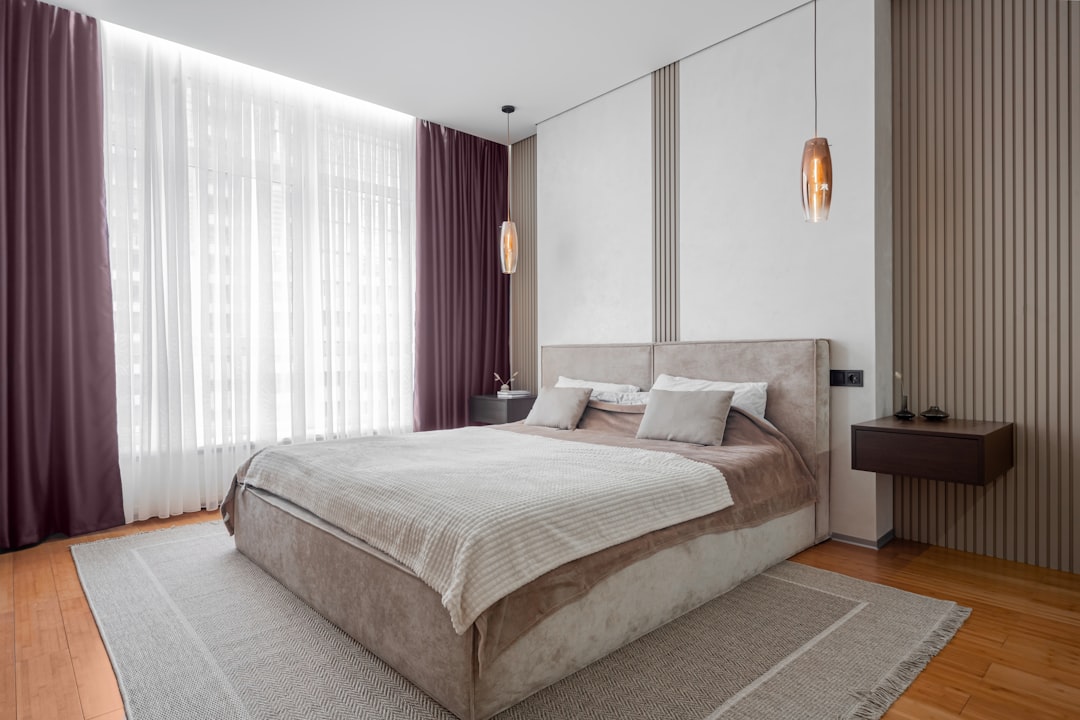

A drawer full of winter jackets from that one trip to Seoul, two bulky suitcases for the next one, plus spare pillows and an extra duvet — that's the typical haul for a storage bed drawer in a 4-room BTO. Most people just load it up until it won't close, never once thinking about the plywood base underneath. That's the real weak point, not the frame itself. It’s a slow-motion problem; the sag starts as a faint bow you might not notice until the drawer sticks, and by then the joints are already stressed. The weight adds up over years, especially in our climate where humidity can make even stable plywood a little less forgiving over time.
Do the math, because the furniture specs usually won’t for you. Take the combined weight of everything you plan to stash, then add a realistic buffer for the things you’ll inevitably shove in later. A Queen-sized drawer base supporting 30kg is very different from one rated for 50kg. If the product listing is silent on drawer weight capacity, that’s a red flag — you’ll need to ask directly. The sturdiest setups use thicker, multi-ply boards and robust roller systems, not just thin panels resting on plastic glides.
There’s really no good excuse to skip this step, unless you’re genuinely using the drawers only for lightweight linens and a few folded t-shirts. Even then, consider a guest room scenario: that spare room bed becomes the default dumping ground for out-of-season items the moment your storage space runs out. The one time you can maybe relax? If you’ve gone for a full hydraulic lift-up system instead of drawers. Those are engineered to bear the mattress and your weight directly, so the storage compartment beneath is typically built to handle a much heavier, more distributed load.
So open a notes app, do a quick mental inventory, and assign some rough weights. Two packed suitcases can easily hit 20kg. A couple of winter coats and blankets might be another 10. That drawer is already at its limit before you’ve even added the miscellaneous. It’s a boring five-minute task that saves you from the sian moment of a collapsed drawer full of clothes years down the road.
A quick scroll through any search history reveals the same few anxieties popping up again and again. Singaporeans, especially those in BTOs or smaller resale flats, are laser-focused on practicality and potential pitfalls when considering a storage bed.
Assembly time for a storage frame can be a real weekend project—budget a solid three to five hours for two people, assuming you’ve got all the tools and a clear floor space. It’s not a quick IKEA hack, but a proper piece of furniture that needs careful alignment. As for HDB flooring, the concern is valid but manageable. A heavy bed frame, even with a full storage compartment, won’t damage your tiles or engineered timber if you use the provided felt pads and distribute weight evenly. The real risk comes from dragging it across the floor during assembly, which can leave deep scratches—always lift, never slide.
Choosing between a storage bed and a divan for a small room isn’t just about storage capacity. A divan’s drawers need floor space to open, which can be impossible if your 3.5 by 3 metre room is already tight. A hydraulic lift-up storage bed, on the other hand, only needs overhead clearance, making it the smarter choice for squeezing every cubic inch out of a compact BTO common bedroom. It does add visual bulk, but the trade-off for usable space is usually worth it.
The “best” brand for a BTO is less about a single name and more about the construction. You want a frame built from kiln-dried solid wood or good plywood, not particleboard that might swell in our humidity. Look for robust drawer glides or a smooth hydraulic mechanism that feels steady—cheap hardware is the first thing to fail. While many local retailers offer solid options, the key is to see the mechanism in person if you can, to judge the sturdiness for yourself.
Do they make a room look smaller? Honestly, yes, a little. A platform storage bed sits lower and has a larger footprint than a simple metal frame, which can dominate a 12 sqm space. But if you’re sacrificing a bit of perceived airiness for the very real gain of ditching a bulky wardrobe or under-bed boxes, that’s a trade most HDB dwellers are happy to make. The one exception is if your room has a very low ceiling; the combined bulk of the bed and the overhead lift clearance might then start to feel oppressive. Otherwise, for maximising floor space in a typical flat, the storage bed wins hands down.
You’ve chosen the bed, waited for the delivery slot, and now the day is here. Don’t just stand there waiting for the knock on the door—that last hour before the van pulls up is your final chance to avoid a whole afternoon of frustration. Clear the path from the lift lobby right to your bedroom door, because the delivery team isn’t going to move your existing furniture for you. Shift that side table, roll the armchair into the living room, and make sure there’s a clear runway. In many HDB blocks, the corridor turns are tight, and an internal bedroom door—often around 91.5cm wide—is the real pinch point. If your new frame is a Queen or King, you’ll need every centimetre of that clearance.
Have your tools ready, not just the allen key that comes in the box. A proper rubber mallet for tapping joints without damaging the finish, a cordless drill for pre-drilling if needed, and a level to check the frame isn’t sitting crooked on an uneven floor—these make the job smoother. Keep a mattress protector unfolded and nearby too; once the frame is built, you’ll want to lay it down straight away before the mattress goes on. It’s a simple step that saves you from having to lift a heavy mattress later just to add that protective layer.
Double-check your communication with the delivery team. Confirm they know it’s a flat-pack assembly job, not a pre-assembled piece. Verify they have the correct floor and unit number—a wrong delivery to a neighbour’s flat means waiting another week for a rescheduled slot. And if your building has a smaller lift door, around 90cm wide, mention it. A rigid bed frame can’t bend like a mattress can, so the delivery crew might need to plan for the staircase. That one extra call can prevent a whole lot of sian later when the van arrives and the pieces can’t get up.