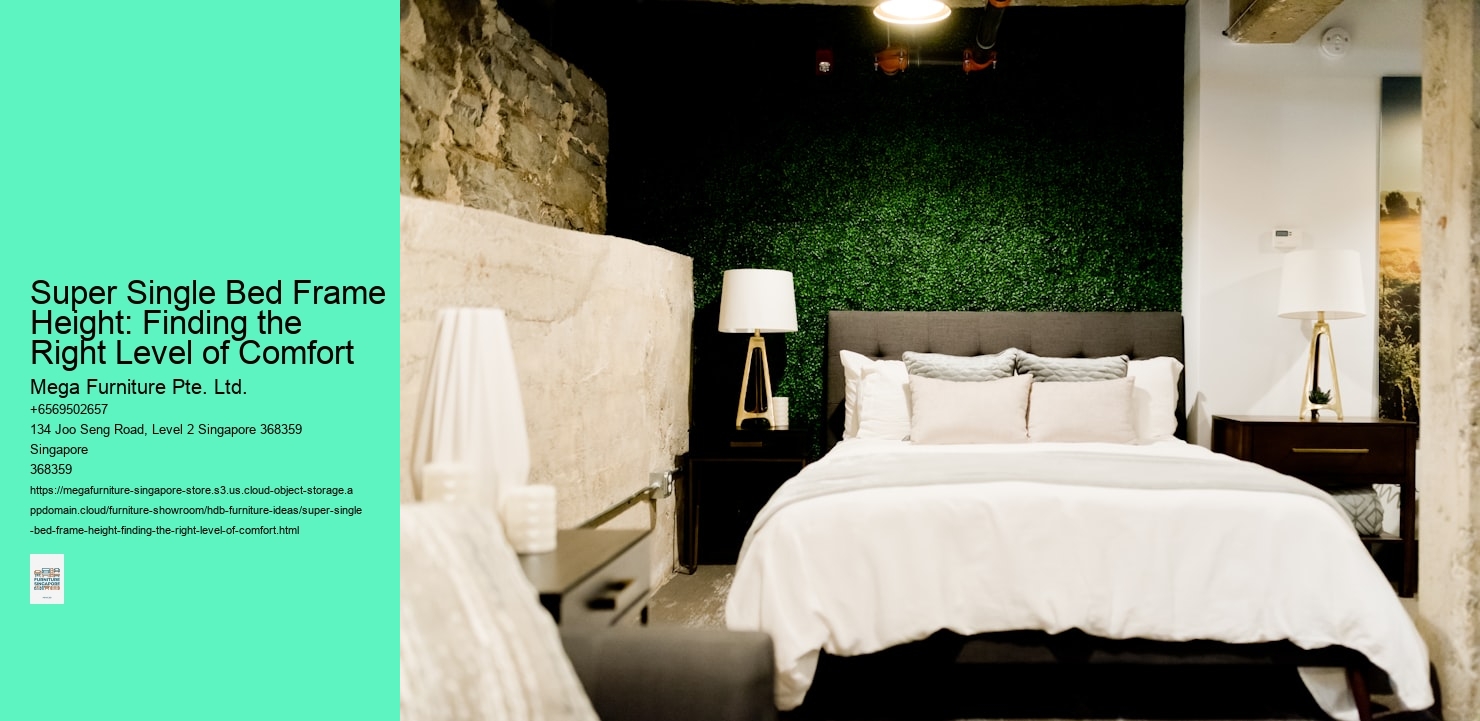
You can't ignore height. That morning stiffness—the slow, reluctant roll out of a bed sitting too low—is a daily reminder that you bought a frame without thinking about how you'll actually use it. It's not about the mattress; it's about how you connect with it. A platform bed that's a mere 30cm off the floor might look sleek in a minimalist 4-room BTO, but it forces you into a deep squat every morning and night, a strain that accumulates in the knees and lower back. Conversely, a lofty storage bed with drawers can sit at 60cm or more, turning bedtime into a minor climb, especially for older family members or after a long day when you're just tired. That extra height isn't a luxury feature; it's a physical barrier.
Consider the typical HDB bedroom layout. You've got about 3.5 metres by 3 metres to play with, and a Queen bed dominates the space. If the frame is too high, it visually consumes the room, making the ceiling feel lower and the area cramped. But the real issue is ergonomic. Your body expects a natural transition from standing to lying down. A height mismatch disrupts that rhythm, creating a subtle but constant physical negotiation. For many, the ideal sweet spot sits around 50 to 55cm from the floor—this allows for easy sitting on the edge, a comfortable lie-down, and a graceful stand-up without undue strain on the joints.
There's a practical test you can do even before you buy. Stand next to your current mattress, or imagine one. Place your hand at the height where you'd naturally want to sit before swinging your legs up. That's your personal datum line. A frame that lands significantly below that point will force a bend; one that sits above it becomes a step. Don't just measure the room—measure your own body's mechanics. The only time I'd deviate from this rule is if storage is an absolute, non-negotiable priority for a tight space, where the utility of hidden drawers outweighs the daily climb. But even then, look for designs that integrate storage without pushing the sleeping surface to an extreme altitude.

Ultimately, a bed frame's job is to support a mattress, but its height dictates how you live with it. It's a foundational detail that becomes a daily experience, colouring every morning and every night. Get it wrong, and you'll feel it in your posture. Get it right, and the bed becomes a seamless part of your routine, not a hurdle to overcome.
A bed frame is the one piece of bedroom furniture you sleep on every night for years, so it's worth getting right rather than treating as an afterthought to the mattress. Shopping for a bed frame in Singapore comes down to three decisions: the size your room can take, the material, and whether you need storage built in. Sizes run from a 91cm single through to a king around 182 to 183cm — and the honest first step is measuring the room, the doorway, and the lift, since the bed has to get in before it can fit. Material sets the tone and the upkeep: wood for warmth, metal for a slim modern profile, upholstered or divan for softness. And in a compact flat, a storage frame turns the space under the mattress into the cheapest storage you'll ever add. Get those three right and the frame becomes a foundation you won't think about again for a long time.. " width="100%" height="480">Super Single Bed Frame Height: Finding the Right Level of ComfortIn a 4-room BTO, that common bedroom is typically around 12 sqm—you’ve got space for a Super Single bed, maybe a small dresser, and that’s it. The floor is your only real storage. So a tall storage bed, one with a solid wood frame and drawers that’s 14 inches high, feels like a lifesaver. You can stash luggage, extra bedding, or seasonal clothes underneath, clearing the room. But that extra height isn’t just a number. It’s a physical barrier for elderly parents or grandparents who might use that room. Getting into bed becomes a step up, and getting out requires more effort—it’s a strain on knees and balance that’s easy to underestimate when you’re younger.
A sleek 8-inch platform frame, on the other hand, is almost flush with the floor. It’s effortless to sit on and stand from, which matters more as mobility changes. The trade-off is stark: you gain ease of use but surrender a significant volume of storage. For many households, that surrendered space is a real sacrifice. You’ll need to find other places for those items, which in a compact flat often means the living room or a cramped corridor cabinet.
My view leans towards the lower platform for any bedroom where older family members will sleep regularly. Their comfort and safety outweigh the storage benefit. The exception is if that bedroom is strictly for a younger, fully mobile person and the flat genuinely has no other storage options—like a resale unit with built-in cupboards already full. Then, the taller storage bed can be a pragmatic, albeit less accessible, solution. Just remember, the drawers need floor space to pull out, so you’ll lose that narrow walking path beside the bed anyway.
Consider the mattress too. A thicker mattress on a tall frame can push the sleeping surface even higher, compounding the issue. On a low platform, a thicker mattress simply feels more luxurious without the climb. It’s a detail that often gets overlooked when you’re just measuring the frame alone. So, measure the total height—frame plus your chosen mattress—before you commit. That’s the real number that matters for daily use.
Singapore's humidity, often around 80%+, makes solid timber frames expand. That advertised height of a Super Single platform bed isn't a fixed number after a few monsoon seasons. Kiln-dried rubberwood, a common affordable hardwood, is better than untreated wood, but it still absorbs moisture over years. The swelling is subtle—maybe a few millimeters across the frame—but it can lift the entire bed platform higher off the floor. That alters the feel of the bed and can make drawers underneath bind. You won't notice it month to month, but after five years in a non-air-conditioned room, the change is real.
Metal frames resist the dimensional change that wood suffers, maintaining their advertised height reliably. The trade-off is noise and movement over time. Screws and joints in a metal frame can loosen slightly with regular use, and humidity encourages minor corrosion even on painted surfaces. This doesn't warp the height, but it introduces creaks and slight wobbles that a wooden frame usually avoids. In a humid climate, that steady metal height comes with the soundtrack of faint metallic groans when you shift in bed. It's a choice between a stable height that talks and a silent height that changes.
Integrated drawer beds are popular for HDB storage, but humidity tests them hardest. A wooden frame swelling a few millimetres upwards can reduce the clearance beneath the drawer runners. During the year-end monsoon, you might find drawers that slid smoothly last December now stick or scrape. Metal-framed storage beds avoid this swelling issue, but their drawer mechanisms are often metal-on-metal, which can become noisy. The long-term impact isn't on the bed's sleeping height, but on its functionality—your storage becomes less accessible. That's a practical nuisance you won't see in a dry showroom.
The bed's height isn't static; it fluctuates with the seasonal humidity cycle. In the drier months, a wooden frame might contract back slightly, while during the prolonged wet periods, it expands. This means the bed's height, and your perception of it, changes throughout the year. A bed that feels perfectly proportioned in February might feel subtly taller and more imposing in July. This seasonal shift is normal for solid wood—not a defect—but it's something particleboard frames can't handle; they swell and often don't fully recover. Accepting this natural movement is part of choosing timber in our climate.
Over a decade, the cumulative effect of humidity on frame height becomes a buying consideration. A wooden bed might gain a perceptible half-centimeter in overall height, altering the ergonomics of how you get into and out of it. A metal frame will hold its line, but the creaking and joint wear might necessitate tightening or even replacement of parts. The advertised height at purchase is a starting point, not a lifetime guarantee. For BTO owners furnishing a first home, this long-term drift matters more than the immediate showroom fit. It's the unseen cost of our constant 80% humidity.

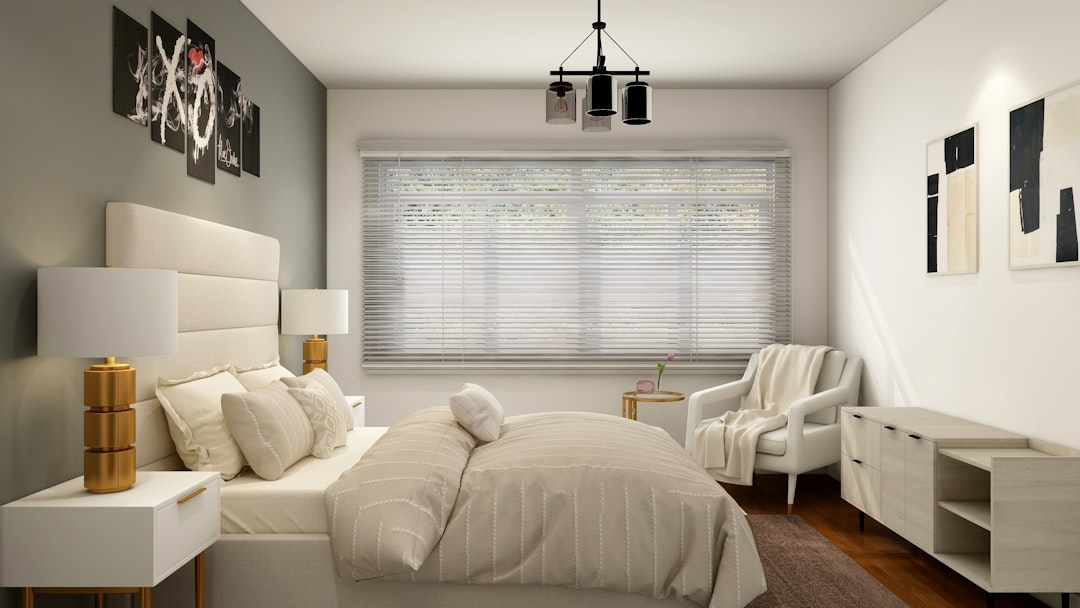
You walk into a showroom, measure the frame height, and think you’ve got it sorted. That’s where the trouble starts. The total sleeping level—that final height you climb into every night—isn’t just the frame. It’s the frame plus the mattress you’ll eventually pair with it. Singapore mattresses typically range from 8 to 12 inches deep, and that variation can turn a comfortable platform into a throne or a pit.
Platform frames sit low, often around 10 to 15 centimetres off the ground. Pair that with a thick 12-inch mattress, and you’re looking at a bed height nearing half a metre. In a compact 4-room BTO bedroom, that can feel imposing, almost like stepping up into a bunk. Conversely, a tall storage bed with a deep drawer base might bring the frame surface to 30 centimetres or more. Adding a slim 8-inch mattress on top still gives you a reasonable total height, but a thick one pushes you towards 50 centimetres—awkward for sitting, and a genuine challenge for older folks or kids.
The fix is simple, yet most overlook it. Decide your preferred final sleeping height first. For most adults, a total of 40 to 50 centimetres from floor to mattress top feels natural. Then, subtract your chosen mattress’s thickness to find the frame height you actually need. A 12-inch mattress means you’ll want a lower platform; an 8-inch one allows for a taller storage base. Don’t get locked into admiring a frame’s design only to realise your favourite mattress makes it all wrong.
Slatted frames add another wrinkle. They often have a higher profile than solid platforms, and the gap between slats can matter if your mattress is particularly thin. A thin mattress on a widely spaced slat base might not feel fully supported. It’s a detail you won’t notice until you’re lying on it, feeling a slight dip between the slats. That’s the sort of thing that’s hard to visualise in a showroom.
The only time this calculation gets a pass is if you’re absolutely certain you’ll keep your current mattress. Even then, measure it. Mattress depth isn’t always uniform, and what you think is 10 inches might be 9 or 11. A tape measure saves you from a nightly climb that feels more like a workout.
A Super Single bed frame measures 107cm wide by 190cm long, fitting well in many common HDB bedrooms. It's crucial to leave about 60cm clearance on the exit side for comfortable movement. This size offers more sleeping space than a standard Single while still allowing room for other furniture in a compact 12 sqm bedroom. Queen-sized frames are typically reserved for the master bedroom.
Bed frame materials in Singapore must withstand the local climate, where humidity often exceeds 80%. Solid wood or plywood frames offer better longevity than particleboard, which can swell. For upholstery, performance fabrics like Crypton resist stains and moisture, while darker colours help hide everyday wear. Rubberwood is a common, affordable hardwood choice for many frames here.
You’re scrolling through pictures, comparing specs, and reading reviews. But a bed’s height—that’s a number on a screen that doesn’t tell you how it feels. A 40cm platform looks sleek online, but in your 12 sqm common bedroom, it might feel like a low bench you have to climb down into every morning. A 65cm storage bed promises volume, but will you actually enjoy sitting on that edge to read or tie your shoelaces? The debate between low-profile and high-rise isn’t settled by a product description.
That’s where a physical visit makes all the difference. You need to press your palm into the mattress on a tall frame and feel if the extra height changes the firmness. A mattress can feel perfectly supportive on a low base, but on a higher one, the angle of your body as you sit up or lie down shifts subtly—you might notice a slight sink or a firmer edge. Fabric on an upholstered base, too: a tight weave might feel cool and durable, but a looser one could pill over time. You won’t know until you run your fingers across it.
Consider the practical scene. In a compact HDB room, you’re not just sleeping on the bed; you’re using it as a seating area, a landing spot for bags, maybe even a temporary desk. Sitting on the edge of a high bed frame, you can gauge if the edge support is comfortable for those moments, or if it feels too hard and unyielding. A lower frame might mean less storage underneath, but it could also make the room feel more spacious and accessible. You can’t simulate that spatial reality from your living room sofa.
The only time I’d advise skipping the showroom trip is if you’re buying an exact replica of a bed you’ve already lived with for years—same height, same material, same brand. Otherwise, you’re guessing. And a guess that leads to a frame that feels wrong in your room is a costly one to reverse. So take that trip. Test the height with your own body. See how the mattress sits on it. Feel the fabric. Your back and your space will thank you for the extra hour spent.

You’ll see the same few height concerns pop up again and again when buyers are looking at frames. It’s not just about the look—it’s about getting into bed, getting out, and what you can fit underneath.
What’s the best low profile bed frame for a typical HDB common bedroom? A platform frame sitting around 20cm off the floor works well for that 12 sqm room. It keeps the overall bed height manageable, so the space doesn’t feel cramped, and it often fits through those tighter internal doorways without a fuss. The one real exception is if you need under-bed storage for luggage or seasonal bedding—then you’ll want that extra clearance.
Does the frame height actually affect how cool your mattress stays? Not directly, but it can influence airflow. A taller frame with an open base, like a slatted metal one, lets more air circulate around the mattress compared to a solid platform sitting close to the floor. In our humidity, that bit of ventilation can help, but the mattress material itself is the main player for temperature.
How do you measure properly for under-bed storage boxes? Take the height from the floor to the underside of the frame’s rail or platform—that’s your clearance. Then deduct about 2cm for the box’s own structure and wheels. Remember, a hydraulic storage bed needs overhead space to lift the mattress, so that’s a different calculation altogether.
For an elderly person, is a super single bed frame height a special consideration? Yes, and it’s about ease and safety. A frame that brings the mattress surface to about 50cm from the floor makes sitting down and standing up much less of a strain. You want a stable, solid edge to push off from, not a flimsy one that shifts. Avoid anything too low that requires a deep bend to get up.
The most frustrating thing isn’t choosing a bed frame that’s too high or too low. It’s choosing one that’s perfectly comfortable for you, but then discovering it doesn’t actually fit the room—or the people who use it. That final realisation often happens after the delivery truck has left, when you’re standing in your bedroom with a new frame that feels wrong. You can avoid that entirely by doing three simple checks with a measuring tape before you even step into a showroom.
First, measure your mattress thickness. It’s a figure most people guess, but guessing is a mistake. A standard mattress might be around 25cm, but if you’ve opted for a thicker, plusher model or one with a topper, it could easily reach 30cm or more. That extra height sits on top of your frame. If you’re eyeing a low-profile platform bed, a thick mattress could leave you feeling like you’re sleeping on a fortress wall. Conversely, a thin mattress on a tall storage bed might feel like you’re perched awkwardly high. Write down the exact number.
Next, consider the ceiling. This one sounds odd until you think about lift-up storage beds. Those hydraulic mechanisms need overhead clearance to open fully, and in many HDB flats, especially older ones with lower ceilings or bulkhead features, that clearance isn’t guaranteed. If you’re planning to utilise that storage space efficiently, you need to know how much room you have above the bed’s surface. A quick measurement from your floor to the lowest point of the ceiling above your intended bed spot will tell you if a high-lift design is feasible.
Finally, think about who’s getting into and out of this bed every day. For elderly family members, or anyone with limited knee mobility, the total height from floor to mattress top is critical. A combined frame and mattress height that’s too low makes standing up difficult; one that’s too high makes sitting down a precarious drop. There’s no universal perfect number—it depends entirely on their comfort and strength. Have them test the height of their current setup and note what feels manageable.
With those three figures written down—your mattress thickness, your ceiling clearance, and a comfortable sitting height for the user—you’re armed with concrete constraints. You can walk into any showroom in Tampines or Eunos and evaluate frames against your real-life numbers, not just aesthetics. You’ll know immediately if a beautiful tall frame won’t open under your ceiling, or if a sleek low platform will force a difficult climb for your parents. That list turns a subjective choice into a practical filter, saving you from a costly and uncomfortable mistake.