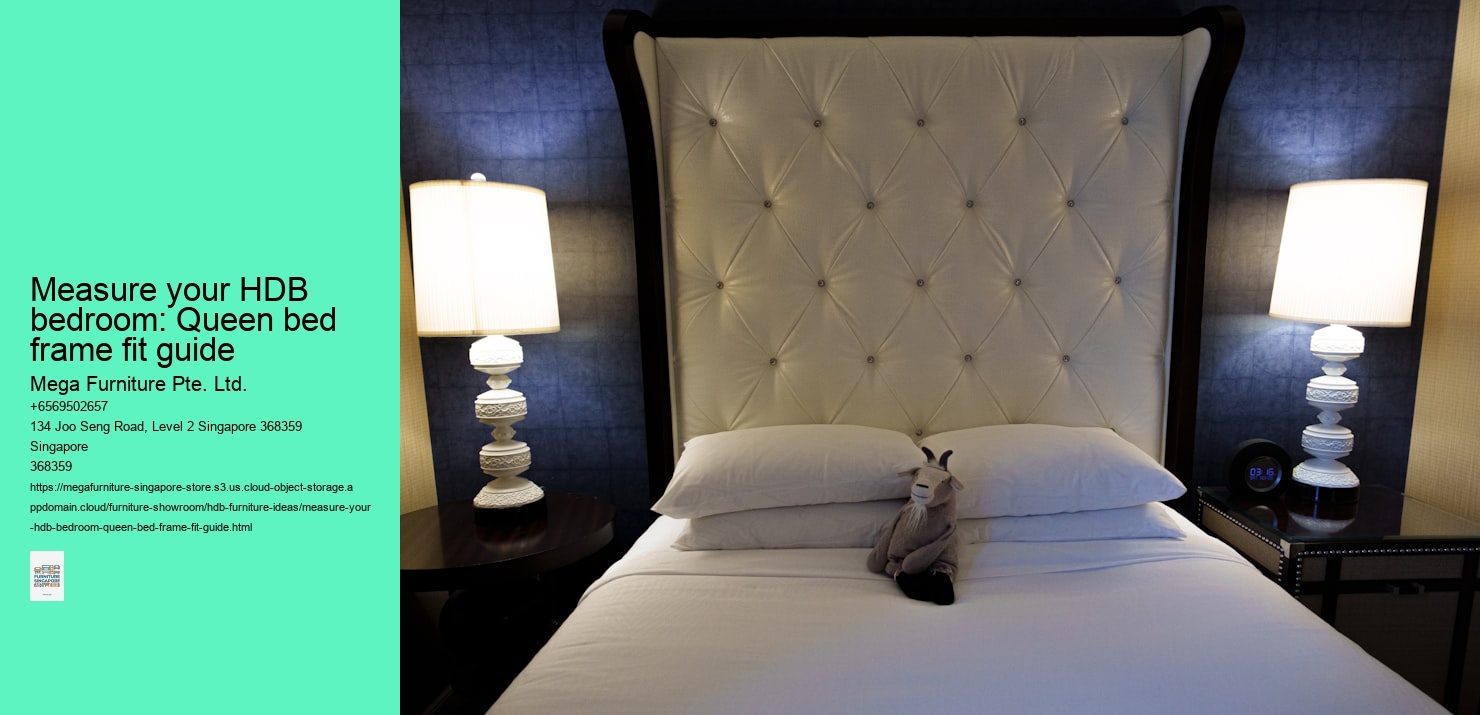
The most common mistake people make is grabbing a tape measure and jotting down the room's overall length and width. That's a good start, but it's not the number that matters. The critical figure is the *clear floor space* between the two walls where the bed's headboard and footboard will go. In a typical 12 sqm HDB master bedroom, that's often a lot less than you think once you account for the built-in wardrobe depth and the door swing. Forget that, and you'll end with a Queen bed that fits the room but blocks the wardrobe doors or makes opening the bedroom door a contortionist act.
Start with the wall opposite your wardrobe. Measure from the finished wardrobe door surface—not the frame—straight across to the opposite wall. Now, subtract the width of your bedroom door when it's open 90 degrees. That's your true clearance for the bed's length. A standard Queen is 190cm long, and you need breathing room. Aim for at least 30cm of free space at the foot for walking, more if you can. If your clearance is only 210cm, a 190cm bed leaves a mere 20cm—that's tight, but possible if you're okay with sidling past. Anything less, and you're looking at a Super Single instead.
Width is just as tricky. Measure between the two side walls, but remember to account for any power points, air-con trunking, or window sills that jut out. A Queen is 152cm wide. You'll want some space on at least one side for a nightstand, which needs about 45–50cm of width. If your room width is, say, 300cm, you've got room for the bed and one nightstand with space to walk. If it's 280cm, you might squeeze in a narrow shelf instead of a proper nightstand. A bed frame is the one piece of bedroom furniture you sleep on every night for years, so it's worth getting right rather than treating as an afterthought to the mattress. Shopping for a bed frame in Singapore comes down to three decisions: the size your room can take, the material, and whether you need storage built in. Sizes run from a 91cm single through to a king around 182 to 183cm — and the honest first step is measuring the room, the doorway, and the lift, since the bed has to get in before it can fit. Material sets the tone and the upkeep: wood for warmth, metal for a slim modern profile, upholstered or divan for softness. And in a compact flat, a storage frame turns the space under the mattress into the cheapest storage you'll ever add. Get those three right and the frame becomes a foundation you won't think about again for a long time.. Under 270cm, and you're probably committing to bed-only—no side tables at all.
The only time you can fudge these numbers is if you're absolutely certain you'll never move the bed once it's in. Even then, getting a frame through the door and into position often requires a few inches of wiggle room to tilt and pivot. That skirting board eats up another centimetre or two, and your perfect 152cm gap becomes 150cm real fast. Measure twice, buy once.
Bed frame materials determine longevity in Singapore homes. Solid wood or plywood frames resist humidity better than particleboard, which can swell. Rubberwood is a common affordable hardwood option. Upholstered frames need performance fabrics like Crypton to handle moisture and stains.
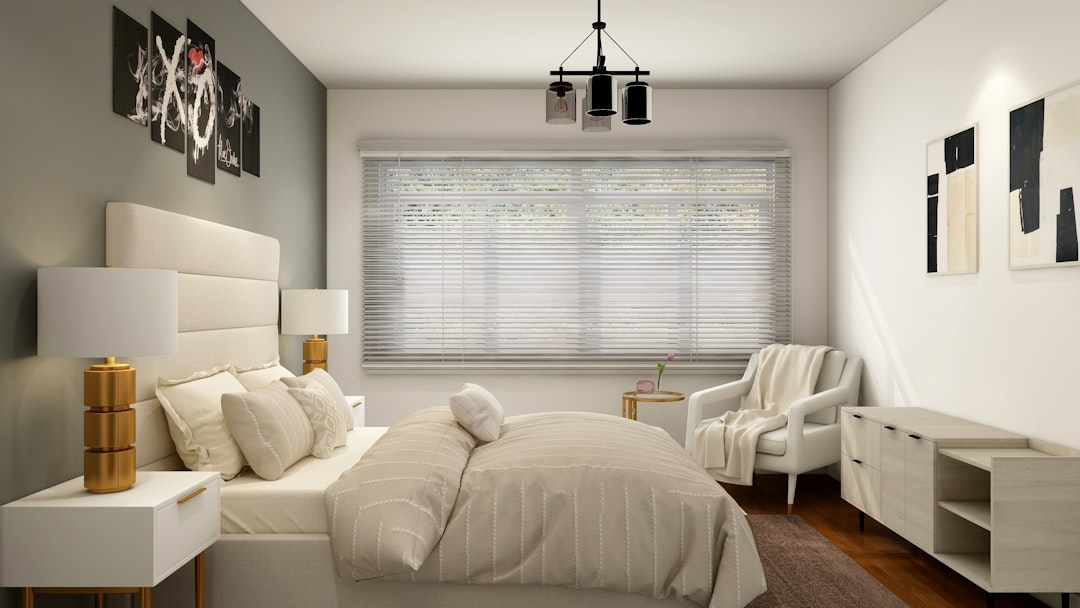
The delivery day drama is almost always about the lift door, not your bedroom. That 152 by 190cm Queen frame is a manageable size on paper, but its assembled width—especially with side tables or a full headboard—can easily exceed the crucial 90cm width of a typical HDB lift opening. Older walk-ups near Eunos or Aljunied are classic culprits; their stairwells are narrow and their lifts, if they exist, are often the smaller, older models where every centimetre counts. You'll measure your room perfectly, only to watch the delivery team hit a hard stop at the corridor corner because the frame can't pivot on the landing.
That's why the smart move is to confirm the maximum *assembled* dimensions of any bed frame you're considering, then measure your own access points with a tape. Don't just eyeball the lift. Measure the door opening width at its narrowest point, which is the frame itself, not the empty space. Account for the skirting board that eats up another centimetre or two of clearance. The tightest pinch point is rarely your bedroom door—it's usually that final turn from the common corridor into the lift lobby, or the lift door itself. A flexible mattress can be bent and coaxed in, but a rigid wooden or upholstered frame cannot.
Many retailers now sell bed frames in two or three assembled sections precisely for this reason. It's a design concession to our spatial reality. If you're looking at a one-piece platform or a solid storage bed with a hydraulic lift mechanism, you absolutely must check the stairwell width as a backup plan. Carrying a large piece up multiple flights incurs a surcharge, and it's a sweaty, stressful affair for everyone involved. The exception? A simple metal frame that bolts together from flat-packed rails; those components are long but slender, and they'll almost always make the journey.
So, add "access audit" to your checklist. Before you commit to a bed for its storage or style, verify it can actually reach the bedroom. That single afternoon of measuring doorways and staircases will save you from the ultimate sian scenario: a beautiful new bed frame stranded in the void deck.
That sixty centimetre perimeter clearance for a hydraulic lift bed isn't just a suggestion—it's the operational reality. You need that space to comfortably stand and lift the mattress panel without banging your head or the panel into a wall or a ceiling fan. In a typical four-room BTO common bedroom, that's a significant bite out of your available floor area, often consuming the very walking path you thought you'd have. It transforms a room from feeling organised to feeling like a puzzle where you're constantly sidestepping furniture. The trade-off starts here, before you even consider what you'll store inside.
Side drawers offer a different kind of spatial negotiation. They don't need overhead room, but they do demand clear floor space along the bed's sides to fully extend. If you push the bed flush against a wall to save space, you've effectively sacrificed half your storage capacity. This forces a choice: do you prioritise a clear central floor area for movement, or do you accept that you'll need to shuffle furniture every time you need to access that winter blanket? It's a daily usability question, not just an installation one.
The storage volume gained is genuinely substantial, especially in flats where built-in wardrobes are already packed. A hydraulic cavity can swallow suitcases, seasonal duvets, and boxes of keepsakes that would otherwise clutter your balcony or hallway. That's a powerful argument in its favour. Yet, the floor space you give up for access directly impacts how you live with the piece. A room that feels tight can make the entire flat feel smaller, which is a high psychological price to pay for stowing away items you might only need once a year.
Committing to a storage bed, especially a large one with drawers on both sides, essentially locks your bedroom layout permanently. You can't easily shift it for cleaning or to experiment with a new furniture arrangement later. The bed becomes a fixed, heavy storage unit first and a sleeping place second. For those who like to refresh their space periodically or who anticipate future needs like a nursery corner, this rigidity can feel stifling. It's a long-term decision that goes beyond the initial purchase.
So when does a plain platform frame win? When every centimetre of floor space is precious for daily living, like in a room that doubles as a home office or a nursery. The loss of under-bed storage then forces a more disciplined approach to possessions—you simply own less, or you find clever storage elsewhere, like overhead shelves or under-window benches. Sometimes, the freedom of an open floor plan and the ability to move your bed is worth more than the hidden cubic volume. That's the real trade-off: physical space for your body versus hidden space for your stuff.
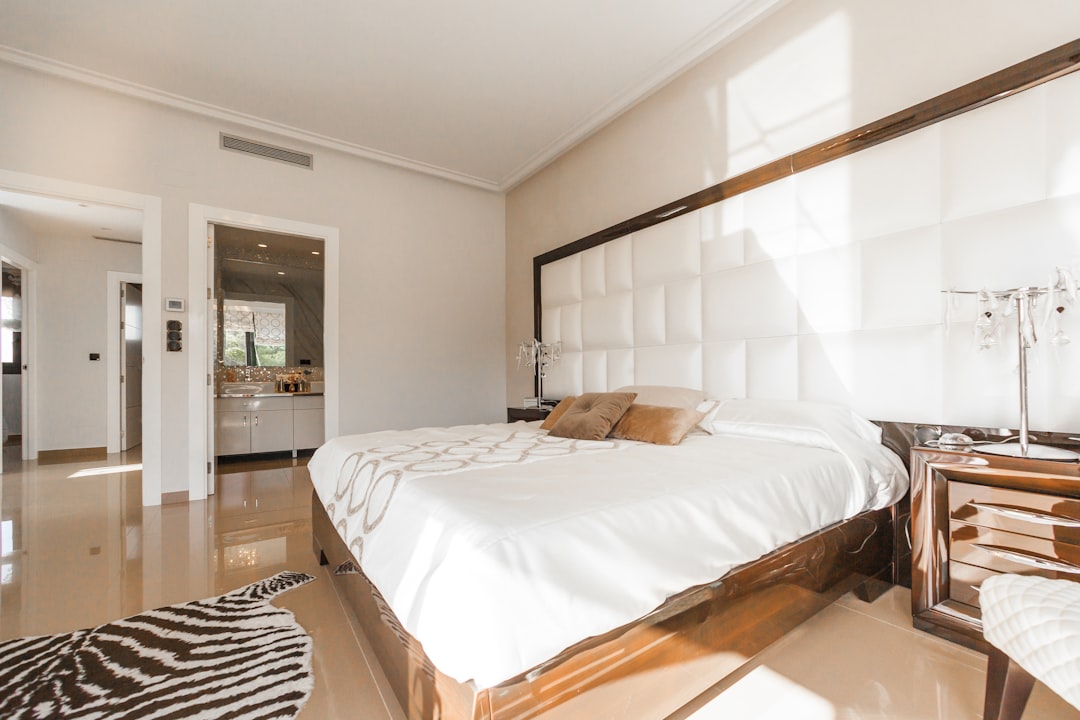
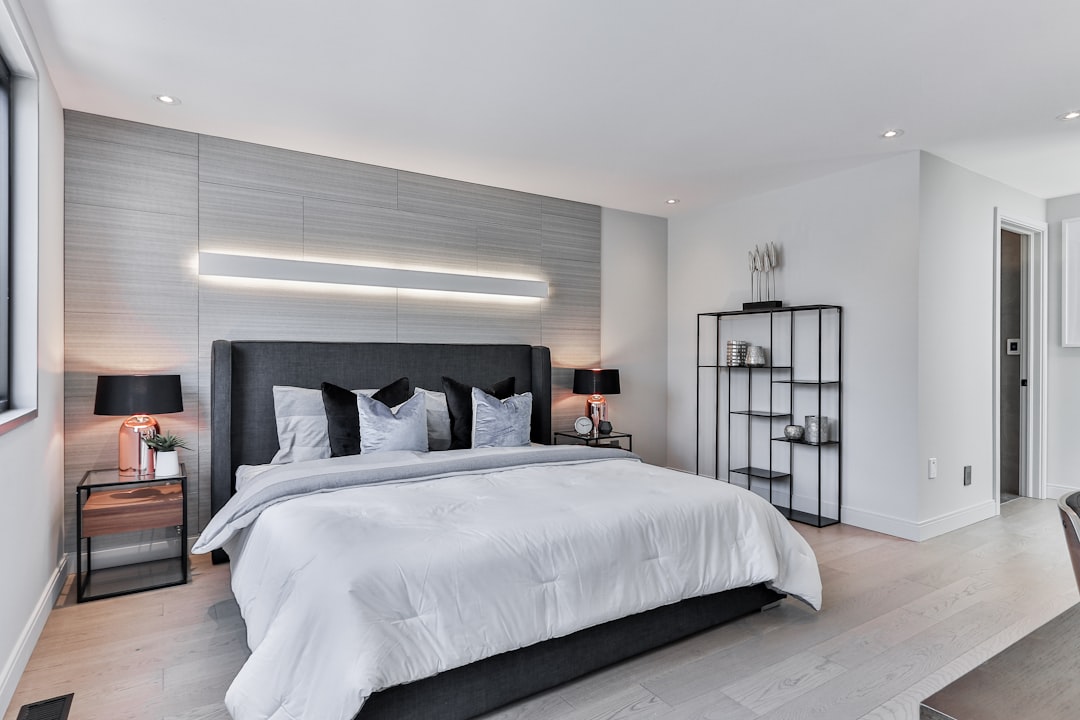
The clean lines of a platform bed are a minimalist's dream, but that sleek look comes with a hard truth: there's no hidden space for your winter duvets or extra pillows. For HDB flats where storage is a constant negotiation, that's a serious trade-off. If your wardrobe is already bursting and the under-bed void is your last resort for luggage, a platform frame might leave you scrambling for solutions. It’s a style-first choice, best for those who’ve already mastered the art of living with less.
Now, an upholstered bed brings a layer of softness and luxury that can soften the angles of a modern room. The catch is our relentless humidity. That plush fabric headboard isn't just a dust magnet; in a non-air-conditioned room during the year-end monsoon, it can hold onto moisture and develop a faint, musty smell over time. You'll need to vacuum it regularly and maybe even run a dehumidifier nearby. Darker, performance fabrics handle this climate better, but lighter colours and looser weaves like bouclé are a maintenance challenge waiting to happen.
For sheer resilience, you can't beat solid wood. A kiln-dried rubberwood or oak frame stands up to the damp air without warping or feeling clammy. It’s the steady choice—heavy, yes, and the price reflects that durability, often sitting in a higher bracket. That weight means it’s a permanent fixture; once it's in your master bedroom, you won't be shifting it every other month. The investment pays off over a decade or more, outlasting trends and humidity cycles.
So, which one to pick? If you’re in a dry, air-conditioned bedroom most of the year and love that hotel-suite feel, the upholstered bed is a valid indulgence—just commit to the fabric care. For everyone else wrestling with our tropical reality, the solid timber frame is the reliable workhorse. The only time I’d steer you towards a plain platform is if you’re in a tight space like a common bedroom and you’ve already got built-in wardrobes covering your storage needs. Then, its low profile and simplicity win.
Online photos can’t tell you everything. The true test of a bed frame happens when you’re standing right beside it, your hands on the materials. You need to feel the fabric’s weave—whether it’s a tight, durable performance textile or something that’ll pill after a few months in a humid flat. You need to run your fingers along the wood grain, checking for smooth sanding and consistent finish. This is the concrete reason you make the trip to a physical showroom.
Sit on the edge. Don’t be shy about it. Put your full weight down and shift around—does the frame feel solid, or does it creak and give? A sturdy Queen frame shouldn’t wobble when you perch on the side to put on your shoes. Then, open every drawer or lift the hydraulic mechanism. Storage is useless if it sticks or groans. The action should be smooth and silent, a sign of good hardware that’ll last through years of daily use in a 4-room BTO.
While you’re there, lie down. The bed frame and mattress work as one system, and you can’t judge comfort from a spec sheet. Trying the in-house mattress line gives you a complete picture of how the whole setup feels. Is the firmness right for your back? Does it feel supportive at the edges? You’ll know in five minutes what weeks of online research can’t tell you.
The only exception? If you’re buying a straightforward, no-frills platform frame from a known material like kiln-dried rubberwood, and you’ve already tested an identical mattress elsewhere. Then maybe you can skip the visit. But for anything with upholstery, storage, or a new mattress pairing, that trip is non-negotiable. You’re committing to this piece for a decade—better to be sure.
Queen can fit in a 3-room BTO common bedroom, but just barely. You’re looking at a 152 by 190 centimetre footprint, which will likely fill the space from wall to wall with maybe a 30-centimetre walkway on one side. That’s okay if it’s a single sleeper’s room, but a couple will feel the squeeze—especially if you try to add a small dresser. The real issue isn’t the floor space, it’s the door clearance for delivery. Those internal bedroom doors are often the tightest point, so measure the opening before you commit.
Humidity is the silent killer for cheap bed frames. Particleboard and MDF will swell and soften over time in our 80-plus percent air, leading to that familiar wobble and eventual collapse. You want a frame made from kiln-dried rubberwood or good plywood, which are stable and resist warping. Metal frames are another solid choice, as they obviously won’t warp, but ensure the finish is corrosion-resistant or you’ll be dealing with rust stains on your floor.
Are storage beds worth the extra cost? For most HDB dwellers, absolutely yes. Where else are you going to keep the extra pillows, seasonal blankets, or that suitcase you use twice a year? The hydraulic lift-up type holds a shocking amount, but check your ceiling height first—you need the clearance to open it fully. Drawer types are simpler but require floor space on the sides, which that cramped common bedroom might not have. The only time I’d skip storage is if you’re in a condo with ample built-in wardrobes or you’re a true minimalist who owns two sets of sheets.
That maddening squeak usually comes from loose joints or wood rubbing against wood. First, check and tighten every bolt and screw—a simple allen key might solve it. If it’s a wooden frame, a bit of talcum powder or candle wax rubbed into the rubbing joints can work wonders. For a persistent creak in a platform slat system, sometimes the fix is just adding a thin felt pad between the slat and the bed rail. If the squeak started after a year or two, it’s often a sign the material or construction wasn’t up to our climate’s long-term test.
You’ve got your numbers sorted and your preferences pinned down. Now, the showroom floor is where it all gets tested, and that’s where a lot of plans get quietly derailed. The most common mistake isn’t choosing the wrong colour—it’s trusting your eyes over a tape measure. A Queen bed frame in a spacious showroom can look perfectly manageable, but that same frame in your 3.5 by 3 metre BTO master bedroom might suddenly feel like it’s swallowing the whole room. Your floor plan notes and that shoe tape measure are your defence against that visual trick.
Bring those notes with your maximum dimensions clearly marked. Don’t just remember them; have them written down, with the crucial clearance zones highlighted—that 60cm on the exit side, the 30cm on the others. Then, physically measure the display model. Check its exact width and length, but also its height from the floor. A tall storage bed with a hydraulic lift needs overhead clearance you might not have considered. And don’t forget to account for the skirting, which quietly eats another centimetre or two from your room’s true dimensions.
This final verification step is about locking in your practical needs before aesthetics sway you. You’ve decided you need drawers for extra bedding—verify that the drawers on the showroom model actually slide out fully with your planned bedside furniture in place. You’ve settled on a solid-wood frame for longevity; feel the weight and construction on the display piece, because a mattress can bend into a lift, but a rigid, heavy frame might not. The one time I’d skip this rigorous check is if you’re absolutely certain your room can accommodate any standard Queen with plenty of space to spare, but in most Singapore flats, that’s a rare luxury.
So, your trip becomes a confirmation, not just a browse. You’ll know immediately if a gorgeous platform bed is actually 5cm wider than your max, or if the storage bed’s lift mechanism requires more ceiling height than your room offers. That clarity saves you from the sian moment of ordering something that fits the showroom but not your home.