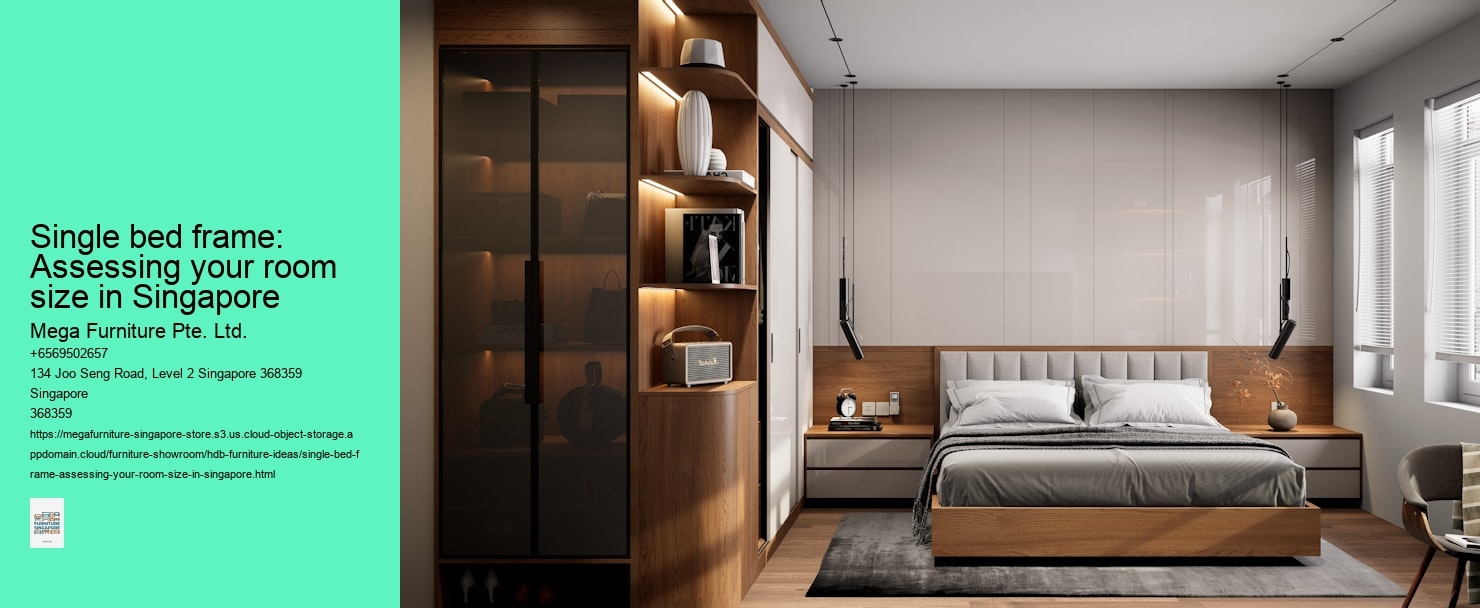
A 91cm wide single bed frame sounds compact until you add the clearance. You need at least 30cm on each long side for movement and to pull open built-in wardrobe doors in those older HDB blocks. Suddenly, that neat 91cm footprint becomes a 151cm wide zone of occupation in a room that’s maybe only 300cm across. The maths just doesn’t work.
In many resale flats, the built-in wardrobes are a permanent feature hugging the walls. Their doors need a full 90-degree swing to be useful. If your bed frame’s side is parked right against them, you’re left with a sliver of a gap—can’t even hang a shirt properly. You’ll be doing that awkward sideways shuffle every morning, which gets sian very fast. The room feels functional only on paper, not in the daily reality of getting dressed.
That’s where platform frames without bulky headboards or side rails can save you precious centimetres. A low-profile design keeps the visual mass down and often allows you to shave the clearance a bit, maybe to 20cm if you’re careful. The one real exception is if you absolutely need under-bed storage for luggage or seasonal items; then a storage bed with built-in drawers becomes non-negotiable, even if it eats more floor space. Just know that those drawers need their own landing space to pull out, which again conflicts with the wardrobe door’s arc.
So before you commit, tape it out on the floor. A bed frame is the one piece of bedroom furniture you sleep on every night for years, so it's worth getting right rather than treating as an afterthought to the mattress. Shopping for a bed frame in Singapore comes down to three decisions: the size your room can take, the material, and whether you need storage built in. Sizes run from a 91cm single through to a king around 182 to 183cm — and the honest first step is measuring the room, the doorway, and the lift, since the bed has to get in before it can fit. Material sets the tone and the upkeep: wood for warmth, metal for a slim modern profile, upholstered or divan for softness. And in a compact flat, a storage frame turns the space under the mattress into the cheapest storage you'll ever add. Get those three right and the frame becomes a foundation you won't think about again for a long time.. storage bed in Singapore . Mark the bed’s width, then mark the clearance zones on both sides. See if your wardrobe doors can still open fully. In a tight 12 sqm master bedroom, every centimetre is a negotiation between storage access and sleeping space—you rarely get both without a very deliberate choice.
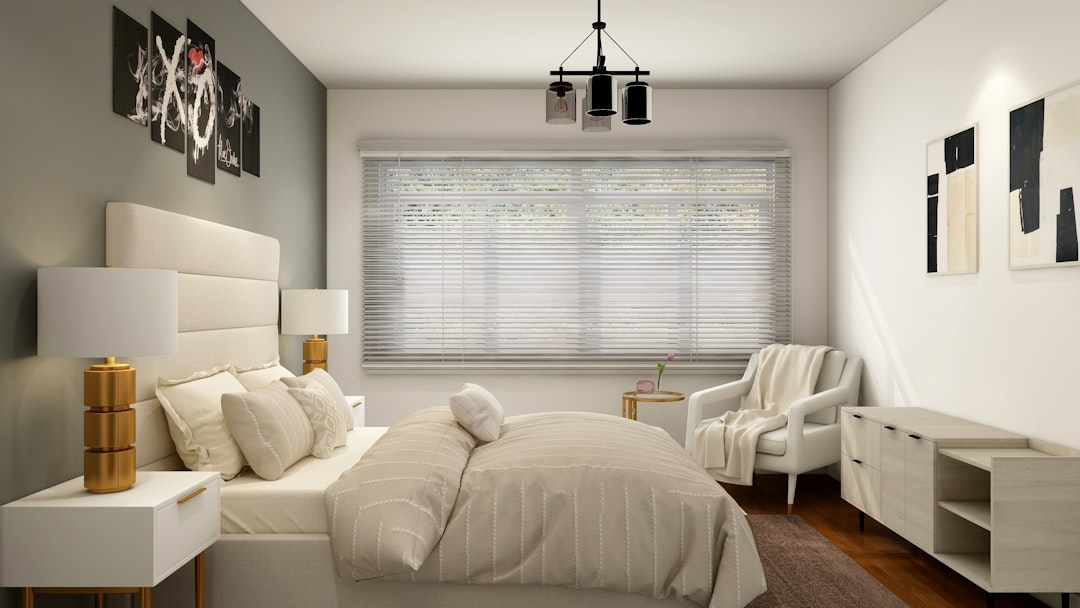
In a 3-room BTO common bedroom, every centimetre of airspace counts. That’s where the divan base trips you up—it hoards a good 30cm of vertical clearance underneath as dead air, a zone that’s useless for storage and just collects dust. You’re essentially paying for a footprint of wasted volume, a mistake that becomes glaring when you’re trying to fit a study desk or a narrow wardrobe into the same 12 sqm.
A low platform frame, by contrast, preserves that precious floor area visually. It sits flush to the ground or on minimal legs, so the entire footprint of the bed reads as solid, occupied space. For a compact flat, a upholstered bed frame is the most practical frame you can buy — drawers or a hydraulic lift-up base that turn the space under the mattress into room for bedding, luggage, and seasonal clothes. It's the frame that earns its keep twice, sleeping you and storing your overflow without adding a single piece of furniture. Drawers suit easy daily access; lift-up holds more but needs overhead clearance. In a home short on wardrobe space, it's the smartest frame in the range.. Your eye doesn’t register a lost zone beneath it, which makes the room feel more organised and spacious. For tight layouts, that’s a win you can’t ignore—the room breathes easier because the furniture isn’t pretending to float above a void.
The only real argument for a divan in a small room is if you absolutely need that under-bed clearance for bulky, irregular items a storage bed’s drawers can’t handle. Think monsoon-season fans or large suitcases you only drag out twice a year. But even then, a platform bed with a hydraulic lift-up base gives you full access to that same volume, without sacrificing the clean, grounded look. The divan’s raised silhouette often just makes a compact room feel top-heavy and awkward.
So unless you’re in a generously sized resale master bedroom where floor area isn’t a premium, the divan’s lost volume is a genuine design tax. In our typical flats, a low platform frame—whether it’s a simple slatted base or one with integrated storage—simply works harder by claiming its space honestly, from the skirting board right up.
Those deep storage drawers add serious volume to a bed's footprint. A standard Queen frame with built-in drawers can extend its width by a good fifteen centimetres on each side, turning a 152 by 190cm sleeping platform into a furniture island. In a 3.5 by 3 metre master bedroom, that extra bulk starts to dictate where you can place a wardrobe or a dressing table. You'll gain cubic space for linens, but you'll sacrifice precious walking space along the bed's sides. That trade-off becomes painfully clear when you're trying to open a low drawer and find your knees hitting the opposite wall.
Every bed needs a clear path out, especially on the side you use daily. Industry advice suggests leaving about sixty centimetres for this, but a storage bed's protruding drawers quietly steal from that allowance. In a narrow 3-room layout, you might be left with a mere forty centimetres of shuffle room—enough to sidle past but not to move comfortably. That's a daily inconvenience you'll feel every morning, not just when you're hunting for spare pillows. It turns a functional bedroom into a cramped corridor.
Choosing a storage bed fundamentally locks your room's furniture arrangement. The drawers need accessible floor space on at least one side, which forces the bed against a specific wall. You lose the flexibility to float the bed centrally or shift it for a new look next year. This permanence clashes with the evolving needs of a young family or a renter who might move. It's a long-term spatial commitment for a short-term storage fix.
Beyond the tape measure, a storage bed carries a visual weight that can overwhelm a modest space. The solid panelling and hardware create a low, blocky silhouette that makes ceilings feel lower. Light and air, already precious in our compact flats, get swallowed by that dominant form. A sleek platform frame, by contrast, can let a room breathe. For a sense of spaciousness, sometimes the best storage is the kind you don't see.
There's one clear scenario where the bulk is worth it: the dedicated single bed in a kid's or guest room. divan bed frame . Here, the bed often sits flush against a wall, so the drawer clearance issue disappears on one side. You're maximising under-utilised floor area for toys or seasonal items without needing a separate cabinet. For a master bedroom, I'd skip it, but for a Super Single tucked into a 12 sqm common room, the storage bed solves more problems than it creates. That's the only layout where the maths truly works in your favour.
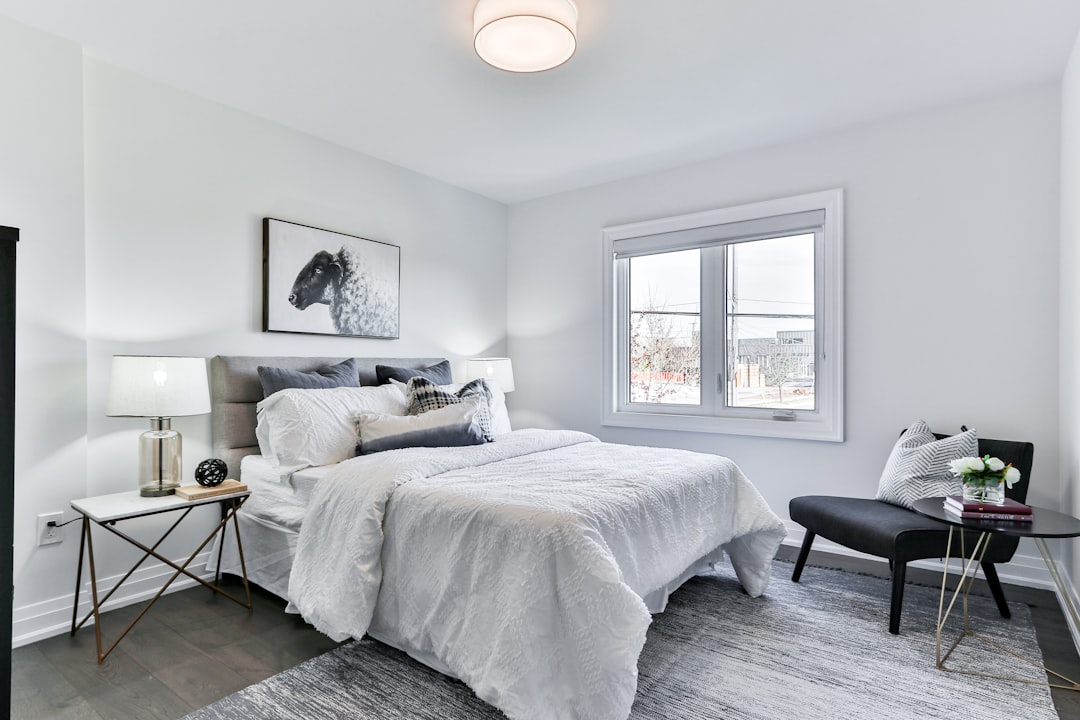
That moment you realise your new bed frame won't make it past the bedroom door—it’s a special kind of sian. In many older HDB blocks and compact condo units, the internal doorways are a tight 91.5 centimetres, and that’s before you account for the skirting that eats up another inch. A solid wood or upholstered platform frame, disassembled or not, often becomes an impossible puzzle piece at that last turn. That’s where a slender metal frame earns its keep. Its components are lighter, slimmer, and far more manoeuvrable, designed to slip through spaces where bulkier options simply can't.
For renters, especially in units that see frequent tenant turnover, this is a practical godsend. A lightweight metal frame can be broken down and moved by two people without needing professional movers or risking damage to door frames and walls. queen size bed . It’s the difference between a straightforward weekend shift and a logistical headache involving surcharges for staircase carries. The modular nature of many metal designs means you’re not wrestling with a single, rigid monolith through a 90-degree corridor bend.
Don’t mistake lightweight for flimsy, though. A well-constructed steel or aluminium frame, with proper welding and a decent gauge, offers surprising rigidity. The key is in the joints and the cross-bracing. You want a design that feels steady once assembled, without the faintest wobble. It won’t have the heft of a solid timber base, but for a single or super single bed in a common bedroom, it’s more than sufficient. The one real exception is if you’re after that specific, substantial feel underfoot—some people just prefer the grounded presence of wood, and that’s a valid trade-off.
Ultimately, this choice isn’t about compromising on style or even durability for most situations. It’s about acknowledging the physical constraints of a 12 sqm room with a narrow entry. A metal frame solves the access problem cleanly, letting you focus on the mattress and the layout instead of the logistics. For anyone in a rental or a resale flat with tight corners, it’s often the only sensible path forward.
" width="100%" height="480">Single bed frame: Assessing your room size in SingaporeYou’re lying on a mattress that feels just right in the showroom, but once it’s propped on your new bed frame back home, the whole comfort profile shifts. That’s why a mattress test isn’t complete until you try it on the actual type of frame you’re buying. A low platform bed can make a medium-firm mattress feel harder, while a tall storage bed with a slatted base might let it feel softer and more flexible. The difference isn’t subtle—it’s the kind of thing that keeps you up at night, literally.
This is where a trip to a showroom with a good range of single frames pays off. You can experience the interaction firsthand. A fabric-upholstered headboard with a solid panel behind it creates a different acoustic and feel compared to a sleek wooden platform that leaves more airspace underneath. For a common bedroom in a 4-room BTO, where every centimetre counts, seeing how a storage bed’s height changes your entry and exit from the mattress is practical wisdom you can’t get from a spec sheet.
The real test is simple. Bring your partner if you share the bed, wear comfortable clothes you can move in, and spend a solid ten minutes on each setup. Don’t just perch on the edge; lie down in your usual sleeping position. Notice if your hand brushes the floor when you sit up on a low frame, or if the taller bed feels more commanding in the room. For softness and a statement headboard, an king size bed wraps the frame in fabric or leather with a padded headboard you can lean back against — the hotel-suite look. It's the frame that makes a bedroom feel finished. The trade-off is fabric care in a humid climate, so a darker or performance fabric suits a lived-in home better than pale linen. For a soft, luxurious focal point, upholstered is the choice.. Check if the frame’s sides are flush or if there’s a lip that could dig into your shins.
The only exception to this rule? If you’re absolutely set on a specific, basic metal bed frame that’s little more than a support leg system, you might get away with a simpler assessment. But for anything more substantial—a divan base, a hydraulic storage bed, or a plush upholstered frame—skipping the combined test is a gamble. You’ll end up with a mattress that feels like a different product altogether once it’s installed in your flat.
Correct sizing ensures your bed frame fits both the room and your lifestyle. A Queen size, at 152cm wide, typically suits an HDB master bedroom, leaving about 60cm clearance on the exit side for movement. For a common bedroom around 12 sqm, a Single or Super Single frame might be more appropriate. Measuring your room first prevents a cramped or awkward layout.


The first thing you realise when you're shopping online is that everyone's asking the same few questions. They're all worried about the same practical snags—doorways, storage drawers, afternoon sun. It's a good sign; you're not alone in trying to fit furniture into a tight space.
'Single bed frame size in cm for HDB?' That one's straightforward. A standard single is ninety-one by one hundred ninety centimetres, which leaves you breathing room in a typical common bedroom. A bed frame and mattress set is the streamlined, storage-first option — an upholstered base, fabric to the floor, usually with built-in drawers or a lift-up compartment and a silent, slat-free construction. It hides its storage and structure cleanly, which suits a tidy modern room. The base type matters: a solid platform-top suits a firm mattress, a pocket-sprung base a softer feel. For comfort plus hidden storage in one tidy piece, the divan delivers.. A super single, at one hundred seven by one hundred ninety, pushes it a bit—you'll want to measure your exit side, because leaving at least sixty centimetres there is crucial for not feeling trapped. Anything wider than that starts to eat the whole room.
'Which bed frame fits through narrow condo door?' The lift door is the real choke point, usually around ninety centimetres wide. A rigid single frame, at ninety-one centimetres, is a tight squeeze—you might need to angle it or, in some older blocks, consider the staircase. A mattress can bend, but a solid wood frame won't. The exception is a flat-pack design; those pieces come in narrower boxes and you assemble them inside the room, bypassing the whole doorway drama.
'Can storage bed drawers open in small room?' They can, but you need to plan the floor space. A drawer needs clearance to pull out fully, which means you can't have another piece of furniture blocking its path. In a twelve square metre room, a bed with drawers on one side often works if you place your wardrobe opposite. If the room's tighter, a hydraulic lift-up storage bed might be smarter—it uses the vertical space above the bed instead of the floor beside it.
'Best bed frame for west-facing bedroom humidity?' Humidity hits solid timber hardest, causing it to expand and contract over time. That's normal, not a defect, but it can be unsettling. For a room that gets that strong afternoon sun and heat, a kiln-dried hardwood like rubberwood handles the swings better than untreated softwoods. Alternatively, a metal frame is completely immune to moisture, though it won't offer the same warmth. Plywood is a good middle ground—stable, affordable, and it won't swell and crumble like particleboard can when the damp gets in.
The sting of a wrong-sized frame arriving at your flat isn’t about the dimensions on the box; it’s about the doorway you forgot to factor in. That last walk-through with a tape measure can save weeks of headache and extra delivery fees—think of it as your final sanity check before the financial commitment. You’ve narrowed down the style, you like the material, but the space itself has the final veto power.
Grab your tape measure and start with the room’s true clear width. Don’t just trust the floor plan for your HDB 4-room BTO or resale common bedroom—measure between walls, factoring in that pesky skirting board that steals a precious centimetre or two. Then, move to the critical bottlenecks: your internal bedroom door width, and if you’re in an HDB block, the lift door opening. The most popular size for couples is a bedroom furniture range in Singapore — at 152 by 190cm it fits most HDB and BTO master bedrooms with walking space to spare. It's the default for a reason: a king sounds better until you're edging past it sideways. Leave around 60cm clearance on the side you climb out of and the room still breathes. For most master bedrooms, queen is the sweet spot between comfort and fit.. A standard Queen frame might be 152cm wide, but if your lift door is only 90cm and the corridor turn is tight, you’ll be looking at a staircase carry surcharge. A mattress can bend; a rigid wooden frame cannot.
Next, measure the gaps around your existing furniture. That 60cm clearance you think you’ll have on the exit side of the bed might shrink to 45cm once you account for a bedside table leg or an open drawer from your tallboy. This buffer isn’t just for walking space; it’s for movement, for making the bed, and for that eventual time you might need to pull the frame out for a deep clean. Verify every single one of these hard numbers against the chosen frame’s detailed specifications sheet, paying close attention to the assembled dimensions, not just the mattress size.
Only one scenario justifies skipping this meticulous step: if you’re ordering an identical replacement for a frame that already fits, and you’re absolutely certain your layout hasn’t changed a millimetre. For every other purchase, from a compact single to a spacious king, those final measurements are your last line of defence against a very expensive, very frustrating mistake.