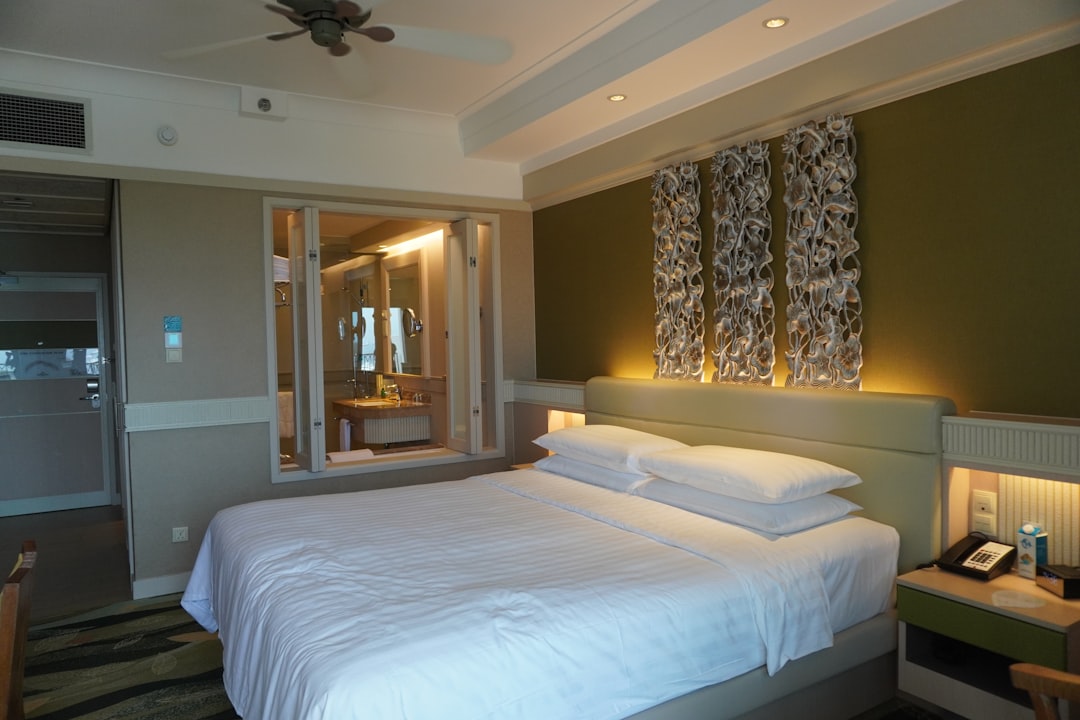
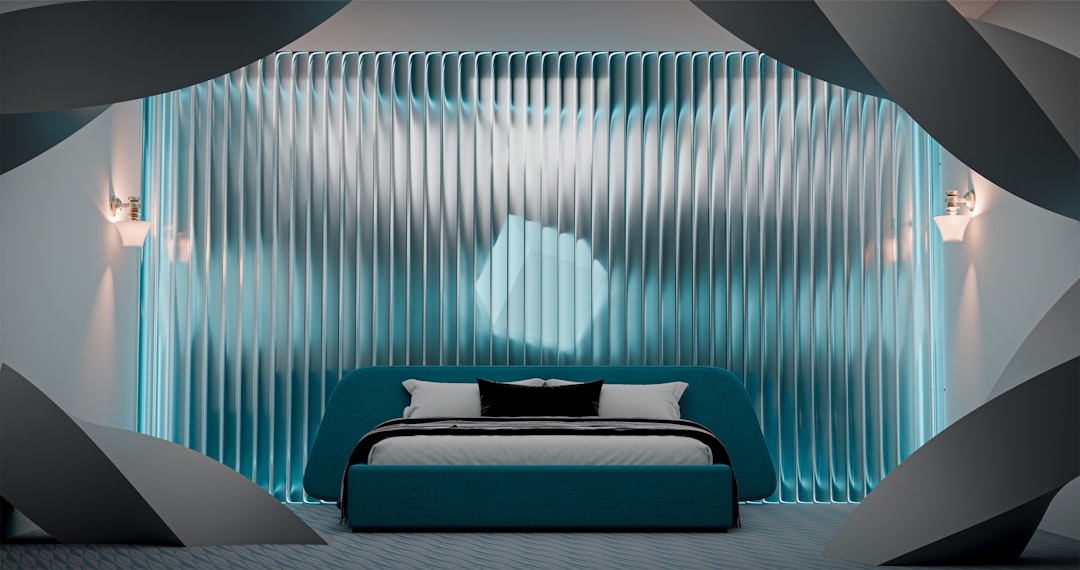
That perfect, low-profile platform bed you saved on Instagram looks like it’s hovering an inch off the ground. In reality, its base might be a solid 25 centimetres tall—a fact the wide-angle lens and dramatic shadow play conveniently hide. This isn't just about looks; that height directly changes how your mattress feels. A thick, plush mattress on a tall platform can start to feel like you're climbing into a bunk bed, while the same mattress on a true low-profile frame offers a completely different, more grounded sensation.
Scale is the biggest casualty of online photography. A Queen frame can look modest and manageable in a vast, empty studio shot. Placed in a 12 sqm HDB common bedroom, that same frame suddenly dominates every inch of floor space, leaving barely enough room to slide past the footboard. You lose the crucial sense of how much visual weight a headboard has, or how far a bed frame's side rails extend into your walking path. What looks airy online can feel oppressively bulky in a compact flat.
Then there's texture. A "walnut finish" online is a single, flawless colour. In person, you'll see if it's a flat, printed laminate or has the subtle grain and variation of real wood veneer. That "luxurious charcoal fabric" headboard might photograph as a smooth, uniform grey, but under your fingers it could be a rough, nubby weave that catches dust or a synthetic blend that feels warm and sticky against your back in our climate. A bed frame is the one piece of bedroom furniture you sleep on every night for years, so it's worth getting right rather than treating as an afterthought to the mattress. Shopping for a bed frame in Singapore comes down to three decisions: the size your room can take, the material, and whether you need storage built in. Sizes run from a 91cm single through to a king around 182 to 183cm — and the honest first step is measuring the room, the doorway, and the lift, since the bed has to get in before it can fit. Material sets the tone and the upkeep: wood for warmth, metal for a slim modern profile, upholstered or divan for softness. And in a compact flat, a storage frame turns the space under the mattress into the cheapest storage you'll ever add. Get those three right and the frame becomes a foundation you won't think about again for a long time.. These are tactile details a pixel grid can't transmit.
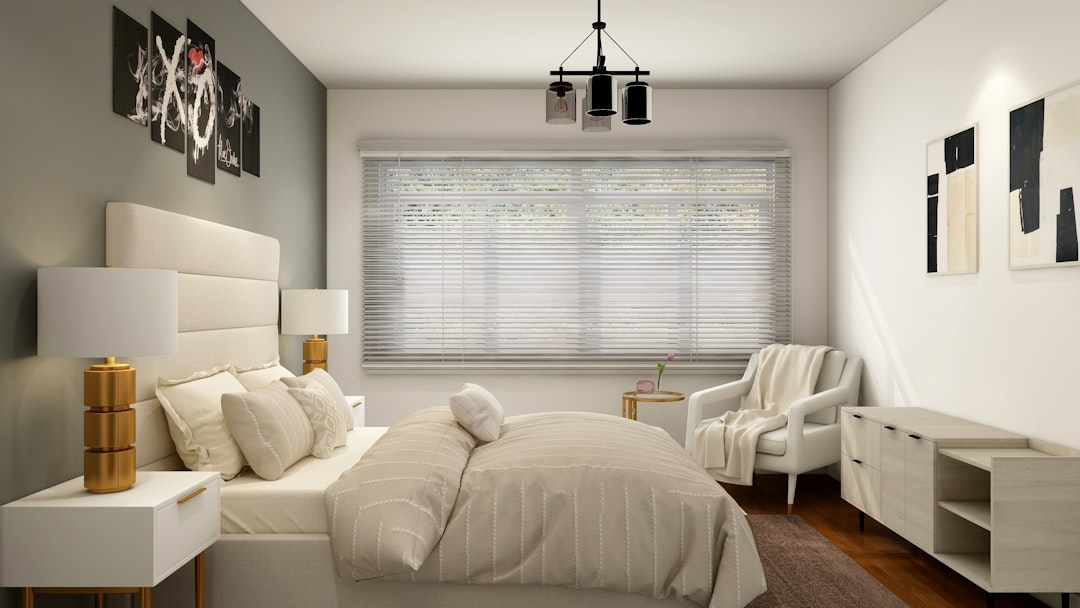
The one thing photos sometimes get right is colour, provided your screen is calibrated. But even then, monitor settings and room lighting alter hues. A "warm white" frame can arrive looking decidedly cream, or a "soft grey" can lean unexpectedly blue. If colour matching to your existing wardrobe or feature wall is critical, that online gamble becomes a real headache.
So, can you ever buy a bed frame sight unseen? You can, but only if you’re replacing an identical model or you’ve physically seen and touched the exact frame in a showroom first. For everything else, that trip to a physical showroom isn't a luxury—it's essential due diligence. You need to judge the true proportions with your own eyes and assess the real-life texture with your own hands before committing.
In Singapore’s climate, a bed frame’s first year is its trial by fire—or more accurately, by moisture. That constant 80%+ humidity isn't just a weather report; it's a silent, persistent force that works its way into materials, testing every joint and fibre long before you notice anything amiss. It's the reason a beautiful, untreated rubberwood frame can start to feel subtly soft or develop a faint mustiness in a poorly ventilated room, especially during the year-end monsoon when the air feels thick enough to drink.
The real trouble often starts where you can’t see it. Consider the space beneath a mattress, particularly on a solid platform base. In a non-air-conditioned bedroom, that’s a perfect pocket for still, damp air to settle. If the base is made from cheaper, non-moisture-resistant particleboard or MDF—common in many flat-pack, quick-delivery promises—it can quietly absorb that moisture. Over months, that leads to swelling, a loss of structural integrity, and eventually, a sagging or warped support that no mattress can fix. A plywood base, by contrast, is far more stable in these conditions, resisting the swell and crumble that cheaper composites cannot.
Upholstered headboards and fabric-wrapped frames face a different kind of test. Any material that doesn't breathe becomes a trap for humidity. A thickly padded headboard against a wall in a west-facing flat, absorbing afternoon heat and moisture, can become a breeding ground for mould spores. The lesson here isn't to avoid upholstery, but to choose it with ventilation in mind. Performance fabrics designed to breathe and resist microbial growth are a smarter long-term investment for our environment than cheaper, non-porous alternatives that might look good on day one.
So where does that leave a buyer? Prioritise material honesty over a fast delivery date. A kiln-dried solid timber or a good-quality plywood frame will handle the damp with minimal complaint, its cost justified over a decade of steady service. The one exception might be a fully metallic frame in a consistently air-conditioned room—there, humidity's grip is loosened. But for the typical 4-room BTO bedroom that cycles between AC and natural air, the choice is clear. You're not just picking a bed; you're choosing what will survive the unseen first year.
That drawer bed looks like a storage saviour in the showroom. You picture all your extra bedding and luggage tucked neatly inside. But in a typical 4-room BTO common bedroom, those drawers need space to pull out fully. That often means you sacrifice the standard bedside clearance, leaving you squeezing against the wall. You'll be climbing over the bed from one side, a daily annoyance that makes changing sheets a chore. The storage is there, but the efficiency cost is real.
An ottoman storage bed offers superior cubic capacity, holding bulky winter coats or travel bags with ease. Its lift-up mechanism, however, demands significant overhead and floor swing space to operate comfortably. You cannot place it flush against a wall or directly under a low window. In an Eunos corridor flat, that required clearance can dictate the entire room's layout, limiting where you position other furniture. It's a powerful storage solution that commands its own terms.
Floor swing space isn't just an interior concern. For flats near MRT corridors or with elongated layouts, furniture placement must account for the flow of movement from door to room. An ottoman bed that blocks a natural pathway creates a permanent bottleneck. This turns a simple task like vacuuming into a tedious puzzle of shifting angles. The bed's footprint extends beyond its frame, impacting the liveability of the entire space.
The hydraulic lift mechanism is what makes an ottoman bed's deep storage possible. That same mechanism adds weight and requires you to lift a mattress plus base to access your belongings. It's less convenient for daily retrieval compared to a quick drawer pull. You'll find yourself storing items you use seasonally, not weekly, to justify the effort. This trade-off shifts how you use the storage, favouring archive over access.
When both drawer and ottoman models compromise your floor plan too much, a simple low platform frame becomes the pragmatic choice. You forfeit the built-in storage but regain full control over your bedroom's layout and clearance. This forces a more disciplined approach to belongings, often requiring a separate, slimline wardrobe or under-bed boxes. For the truly space-crunched room, this efficiency of movement can outweigh the lost capacity. It's a clear, if stark, prioritisation.
Crossing the $800 mark often feels like stepping out of the starter zone. You’ll find yourself moving away from those basic metal frames or simple rubberwood constructions that feel a bit temporary. They serve their purpose, sure, but they’re not the kind of piece you imagine lasting through the wear and tear of a resale flat over five years. The joints might feel a little loose after a while, the finishes a bit thin.
Once you push past $1,500, the conversation shifts entirely. Solid wood joinery becomes a realistic expectation, not just a hopeful mention on a product page. You start seeing integrated drawer mechanisms that glide smoothly on proper runners, not the plastic tracks that can jam after a few months of use. The finishes themselves change—they’re thicker, more resilient, designed to handle the humidity and the occasional accidental scrape without looking immediately worn. It’s the difference between furniture that feels like a purchase and furniture that feels like an investment.
For anyone furnishing a BTO or a first resale flat, that jump is worth considering. A basic frame might get you through the initial years, but when you’re planning to stay put, the upgrade makes sense. You’ll notice the stability in a solid wood frame, the quiet operation of a good drawer system, and the fact that the colour doesn’t start looking tired after a few seasons. It’s about buying something that won’t need a replacement conversation in five years’ time.
The exception, of course, is if you’re truly in a transitional phase. If you’re renting a room for a year or two and know you’ll be moving on, that lower-tier frame does the job perfectly. But for a homeowner, especially one in a 4-room flat where the master bedroom is your own for the long haul, the extra spend translates into daily quiet satisfaction and long-term peace of mind. You won’t be worrying about the frame when the monsoon humidity hits, or when you need to reorganise that storage space.
First-time buyers and upgraders balance initial cost with long-term value. A higher upfront investment in quality materials often pays off through extended durability, avoiding replacement costs. Consider the total cost over 5–10 years, not just the purchase price. Setting a clear budget helps narrow choices to frames that meet both financial and functional needs.
Block:
Heading: Trying a bed frame in person before purchase
Content: Visiting a physical showroom lets you assess a bed frame's comfort, finish, and mechanics directly. You can test the firmness of the support, feel the fabric texture, and check storage drawer action. This hands-on evaluation—seeing the exact colour and build—often confirms or changes a decision made online. It bridges the gap between digital research and physical reality.
Bed frame materials must withstand Singapore's climate and daily use. Solid-wood or plywood frames outperform particleboard over time, especially in high humidity. Rubberwood offers an affordable hardwood option, while performance fabrics like Crypton resist stains and humidity damage. A frame's foam density determines how long its cushions keep their shape.
You walk into a showroom, you see a bed frame, you think it looks nice. That’s where most mistakes start. The online photo tells you nothing about how a frame will actually feel when you’re sitting on the edge putting on your socks every morning, or how the fabric will handle a humid Aljunied afternoon. That’s the gap a physical visit closes—you get to test the thing with your own body, not just your eyes.
Go straight to the bed edge and sit down. Don’t just perch, really settle your weight onto it like you would at home. A sturdy frame won’t creak or shift; a flimsy one will give you that slight wobble that feels wrong instantly. This is especially critical for storage beds, because the entire weight transfer when you lift the hydraulic mechanism sits on that perimeter frame. You can’t gauge that from a website’s description of ‘heavy-duty construction’. Next, press down on the mattress surface—their Somnuz line lets you check firmness layers directly. A mattress that feels supportive in the centre but dips sharply at the edges tells you it’s not built for long-term comfort.
Then run your hand over the upholstery. Look at the weave density. A tight, dense fabric will resist pilling and hold its colour better against dust and moisture. In our humidity, a loose weave can feel damp and trap that sticky afternoon air. Push your palm against it and feel the backing; a good upholstered frame has a firm, padded backing that doesn’t feel thin or cheap. This is where you spot the difference between a fabric that’s just for looks and one that’s made for daily use in a 4-room BTO. You’ll know it’s the right one when the fabric feels substantial and the frame feels solid under you—no guessing needed.
The only time I’d say you can skip this test is if you’re buying a basic metal frame, where there’s no fabric and the structure is purely functional. For anything upholstered, or any bed where comfort and longevity matter, that in-person check is non-negotiable. You’re committing to this piece for years, so a half-hour trip to feel it for yourself is a small price to pay for certainty.
Two adults on a single bed? That's a real question for couples in a tight 3-room BTO, where the master bedroom might be just 3.5 by 3 metres. A standard single frame is 91 by 190 centimetres—you can fit, but it’s a squeeze. You’ll be sharing every inch, and if one person moves, the whole bed shakes. It’s possible for a short while, maybe in a guest room, but for nightly sleep you’ll want a super single or a queen.
Delivery lead times for a storage bed can stretch out, especially if you’re ordering online. You’re often looking at a few weeks, not days. The frame itself is bulky, and if it’s coming from overseas, there’s shipping and customs clearance. If you need it urgently, checking a showroom’s ready stock is smarter—sometimes they have units that can go out in a week if your lift access is clear.
Do metal frames squeak on tiled floors? They can, if the legs aren’t properly fitted with dampening pads. A bare metal foot on smooth tiles might shift and click with movement. It’s not a guaranteed problem, but it’s a common one. The fix is simple: get a set of felt or rubber pads stuck to the bottom of each leg—that usually stops the noise.
How much weight can a platform bed’s slats hold? This one depends entirely on the material. Solid wood slats are steady; cheap pine or particleboard ones might bow over time. A good rule is that the slats should support the combined weight of the mattress and the people sleeping on it without bending. If you’re buying online, check the product specs for a weight limit—if it’s not listed, assume it’s for average use, not for anything extreme.
You’ve already measured the room and checked the mattress size, but the final step happens before you even click ‘buy’. Sketch out the floor plan—not just the bed’s outline, but where the wardrobe doors swing open. In a typical 12 sqm HDB common bedroom, a Queen bed with drawers on both sides might leave you stepping over them every morning. That’s the trade-off: you get extra space for luggage, but you sacrifice clear walking space around the bed.
If you’re choosing a storage bed with hydraulic lift-up, remember you need overhead clearance to open it fully. In a low-ceiling room or with a ceiling fan, that can become a real headache. Drawers are simpler, but they need floor space beside the bed to pull out—if your room’s already tight, you might find yourself shuffling sideways just to get to the window. The only time I’d skip a storage frame entirely is if you’ve got built-in wardrobes with plenty of shelving already. Otherwise, in a 4-room BTO where space is precious, the extra storage is almost always worth the compromise.
Think about the next five years. Are you planning for kids, or might you need that floor space for a future study desk? A platform bed keeps the room feeling open, but then you’ll need to find another spot for your winter blankets and extra pillows. For most people, the convenience of having everything under the bed outweighs the slight squeeze in the room’s layout. Just make sure you’ve got at least that 60cm clearance on the side you use to get out—anything less feels cramped every single day.
So take a final look at your sketch. If the wardrobe door would hit the bed corner, or if pulling out a drawer blocks the bedroom door, you’ve got to decide which access matters more. Usually, the storage wins. But if your room’s truly narrow, a clean footprint might be the better call for your peace of mind.