You'll see a 152cm width listed for a Queen, but that's only half the story. The Singapore standard Queen is 152 by 190 centimetres. A bed frame is the one piece of bedroom furniture you sleep on every night for years, so it's worth getting right rather than treating as an afterthought to the mattress. Shopping for a bed frame in Singapore comes down to three decisions: the size your room can take, the material, and whether you need storage built in. Sizes run from a 91cm single through to a king around 182 to 183cm — and the honest first step is measuring the room, the doorway, and the lift, since the bed has to get in before it can fit. Material sets the tone and the upkeep: wood for warmth, metal for a slim modern profile, upholstered or divan for softness. And in a compact flat, a storage frame turns the space under the mattress into the cheapest storage you'll ever add. Get those three right and the frame becomes a foundation you won't think about again for a long time.. For the full picture, the bed frame buying guide runs through the types, materials, and storage options for every kind of home — platform, divan, storage, and classic frames, in wood, metal, and upholstery, across single to king. It's the read for anyone starting from scratch and unsure where to begin. The useful framing throughout: match the frame to how you actually live and how much space you have, not to a look in isolation, since the right frame is the one that fits the room and the doorway as well as the eye.. There are older frames and mattresses out there—often imported or from a different era—that follow a UK sizing of 152 by 198. That extra eight centimetres in length might seem trivial, but it's the difference between a perfect fit and a nightly annoyance.
Put a true SG Queen mattress on a frame meant for that longer 198cm bed, and you'll get a noticeable gap at the foot. It's not just an aesthetic flaw. In a platform bed, especially the built-in types popular in BTO layouts, that gap becomes a dust trap and a hazard for anything you keep at the edge. Your mattress overhangs a shorter frame, and you risk the corners dipping off the support, leading to premature wear. The mismatch is particularly sian with storage beds; drawers might not open smoothly, or the mattress lip can block the lift-up mechanism.
So how do you avoid this? Always ask for the exact dimensions, not just the size name. Check the product specs for length: 190cm is your target for a Singapore Queen. If you're inheriting a frame or buying second-hand, measure it yourself—don't trust the label. The only time you can safely ignore this rule is if you're also buying a mattress that matches the frame's unusual length, but finding a 198cm Queen mattress here is a specialist hunt.

It's a simple step that gets overlooked in the rush to furnish a room. Get the tape out, confirm both numbers, and you'll save yourself the headache of a mattress that doesn't sit right. That peace of mind is worth the extra minute during your research.

You think you’re just adding a bit more width, but the jump from a Super Single to a Queen frame is a spatial shock. A Super Single mattress sits at 107cm wide, while the Queen mattress itself is 152cm. That’s a 45cm difference in sleeping surface, which seems manageable. The problem is the frame. Many Queen frames, especially those with upholstered sides or integrated headboards, add another 5 to 10cm of bulk on each side. Suddenly, that neat 152cm footprint balloons to around 162cm or more, and that extra width eats into your walking space in a way the mattress dimensions alone don’t capture.
In a typical 12 sqm common bedroom—the size you often find in newer BTO flats—every centimetre counts. You’ve likely planned for bedside tables, maybe a slim wardrobe on one wall. With a Super Single, you might have had a comfortable 60cm walkway beside the bed. Swap in a bulky Queen frame, and that walkway can shrink to 40cm or less. That’s not just a tight squeeze; it becomes a daily annoyance, forcing you to sidestep past the bed or constantly bump your hip against the frame. The room feels cramped, not upgraded.
The headboard is another culprit. A simple platform frame might keep the overall width close to the mattress, but a favoured design here is the upholstered bed with a thick, padded headboard that extends beyond the mattress width. This creates a visual anchor, but it also pushes any bedside table further away from you. You’ll find yourself stretching awkwardly to reach your phone or a glass of water from the bed, because the table now has to sit clear of that protruding headboard. The convenience of a bedside surface is lost.
So, what’s the exception? If your room layout is unusually wide, or if you’re willing to forgo bedside tables entirely, then the width overshoot might not matter. But for most people upgrading in a standard HDB common room, it’s a real pitfall. The takeaway isn’t to avoid a Queen bed—it’s to shop for a frame with a minimal silhouette. Look for designs where the side rails are flush with the mattress edge, and consider a detached, slim headboard that doesn’t add to the width. Measure your room’s clear floor space after accounting for other furniture, then subtract at least 30cm for a comfortable walkway. wooden bed frame . That’s the true width your new frame can occupy. Don’t just compare mattress sizes; compare the full footprint of the frame you’re buying.
That extra twenty to thirty centimetres from a box spring or divan base can turn a perfectly proportioned bedroom into a cramped cave. In a typical resale flat or condo with a ceiling around two and a half metres tall, a bed that's too high makes the room feel oppressive, almost like you're sleeping in a low bunk. It's a classic oversight—people measure the mattress, they measure the frame, but they forget the foundational layer they plan to reuse. The visual proportion gets thrown off, and practical issues like changing bed sheets or even just sitting up become awkward. This isn't just about aesthetics; it's about daily comfort in a space where every centimetre counts.
You need to do the arithmetic with your actual room dimensions, not just assume your old base will fit. Start from the floor: add your platform frame height, your mattress thickness, and then any intended topper. If you're planning to reuse a box spring, you must slot its height into that sum before you commit. For a standard Queen mattress on a typical platform, you're usually safe, but introducing that extra base pushes the total bed height towards a metre or more. In a room with a two and a half metre ceiling, that leaves less than a metre and a half of clear air above you—a difference you'll feel every morning.
A low-profile platform frame is the obvious fix, eliminating the need for a separate base altogether. These frames sit close to the floor, often just fifteen to twenty centimetres high, giving you a much more manageable total profile. They're designed to support the mattress directly, which means you save that crucial vertical space. The trade-off is that you lose the under-bed clearance a box spring provides, but in a compact master bedroom, that's rarely a usable storage area anyway. It's a straightforward swap that solves the height problem immediately.
Not all platform frames are equal, though—the critical detail is the spacing between the wooden slats. If the gaps are too wide, your mattress will sag between them over time, damaging its support and comfort. Proper spacing should be no more than a few centimetres apart to provide uniform support across the entire mattress surface. This is a spec you must check before buying; a cheap frame might look fine but have slats set too far apart. That's a long-term comfort killer, and it's not something you can easily fix later.
The final check is the overall room clearance after the bed is in place. Even with a low platform, you need to consider other furniture and movement. A tall headboard or a storage bed with a lift-up mechanism requires overhead space to operate freely. In those really tight rooms, sometimes even a standard platform bed can feel imposing if you pair it with a bulky bedside cabinet. The goal is to walk into your bedroom and feel space, not furniture. So measure everything, imagine the assembled scene, and only then decide on the frame.
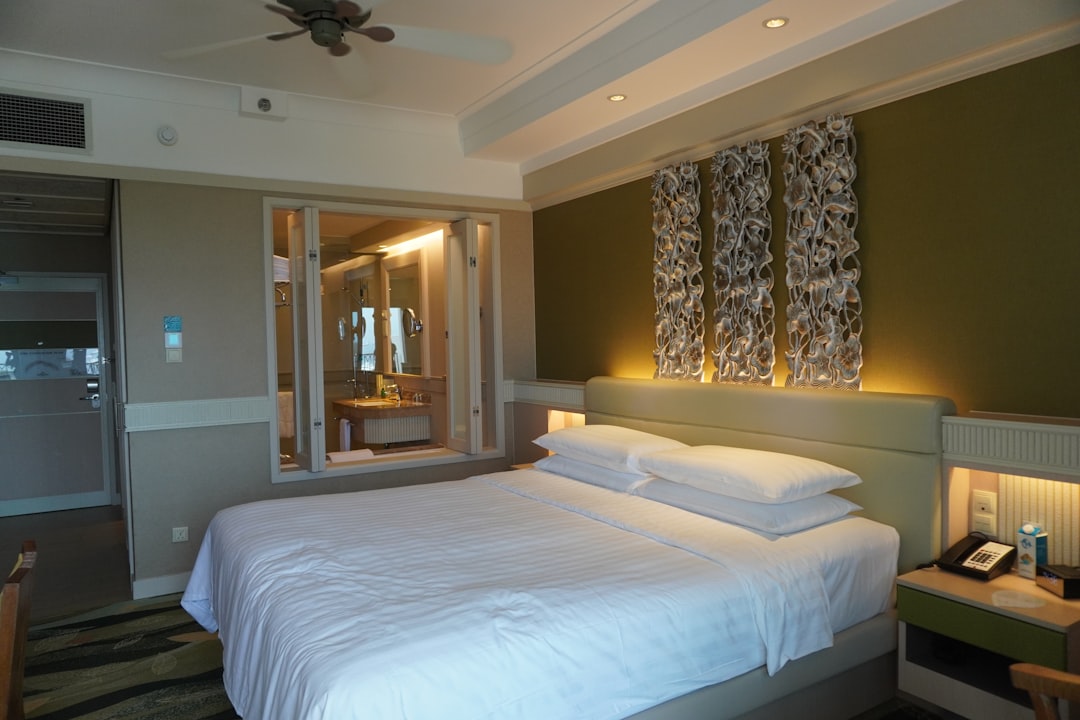
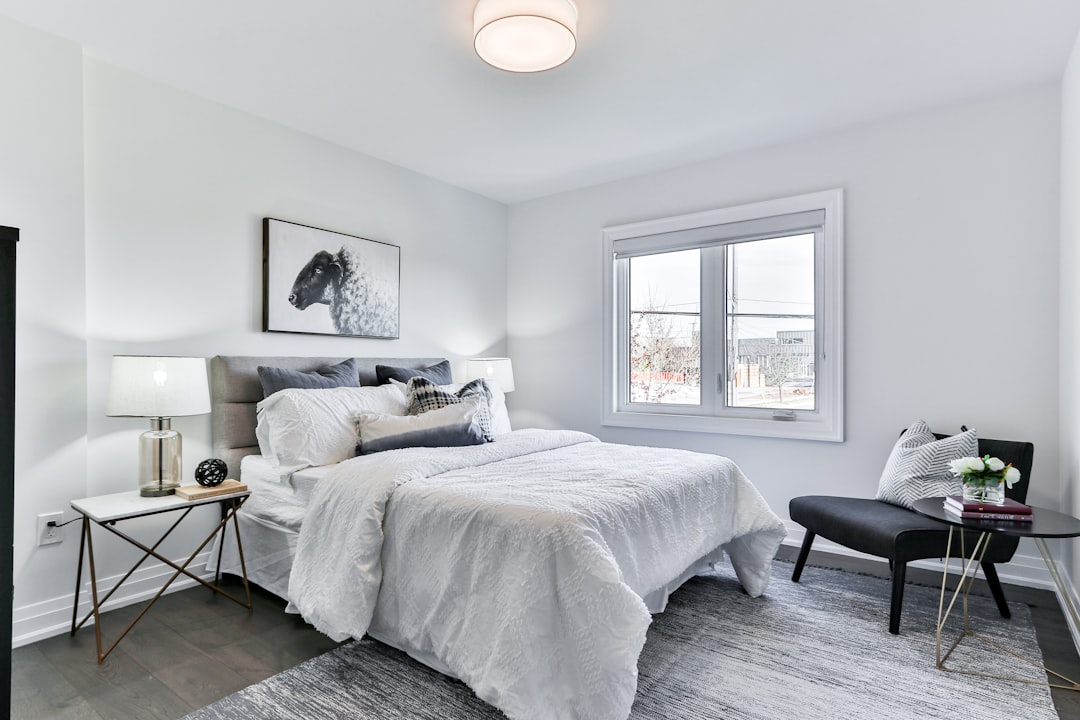
Singapore’s humidity sits around eighty percent most of the year, and that’s a number your bed frame feels every day. It’s not just about sweat—the air itself carries enough moisture to change the shape of your furniture. Wood reacts, and the type of wood dictates how that reaction plays out in your bedroom.
Rubberwood, a common affordable hardwood, is kiln-dried to resist warping. But the joints are where it shows stress. Over months in a coastal flat near Bedok or Eunos, where salt air mixes with the damp, those joints can swell. You might notice a slight tightness when you open a storage drawer, or a faint creak that wasn’t there before. queen size bed . It’s a slow, dimensional shift—the frame isn’t failing, it’s just adjusting. That adjustment can be managed with decent ventilation and keeping the room’s climate steady.
Engineered wood, like particleboard or MDF, faces a different battle. These materials are layered and pressed, and moisture absorption doesn’t cause a gentle swell—it can lead to warping. A slat might bow over time, creating a dip in the support. That’s where you find your mattress sinking in one spot, no matter how you rotate it. In a platform bed without a box spring, those slats are everything. If they warp and drop, your support system is compromised. Particleboard and MDF are the ones that truly soften and can crumble when they get wet, so a spill or even just sustained damp air near the floor is a real risk.
So which one to pick? For long-term stability in our climate, a solid-wood or plywood frame is the clear winner—plywood is relatively stable in humidity. But if budget points you towards rubberwood or engineered options, know the trade-off. Rubberwood frames need you to watch the joints; engineered wood demands you guard against any moisture near the base. The exception? A well-sealed, high-density engineered wood with a proper finish can hold up, but that’s not the standard offering. You’ve got to check the specs.
Ultimately, your bed frame isn’t just a static piece—it’s a structure living in the same air you do. Choosing based on material isn’t about luxury; it’s about anticipating how that structure will move over the years in a 4-room BTO or a resale flat facing the sea. Go for the one that moves in a way you can live with.
" width="100%" height="480">Queen bed frame dimensions: Ensuring proper mattress compatibilitySingapore's 80%+ humidity demands careful material selection for bed frames. Solid hardwoods like rubberwood or treated plywood resist warping better than particleboard. For upholstered frames, performance fabrics or dark-coloured covers better handle moisture and hide potential stains over time.
A Queen bed frame measures 152cm wide by 190cm long, fitting most HDB and condo master bedrooms. Ensure you leave at least 60cm clearance on the exit side for comfortable movement. Always verify the bed's assembled dimensions against your room layout, especially in compact BTO layouts where every centimetre counts.
You measure the external width of a Queen storage bed frame, see it's a neat 60cm clearance between the side and the wall, and think your folded duvet and those standard storage boxes will slide in easily. Then you assemble it in your 4-room BTO and realise the internal drawer space is only 55cm. That five centimetres isn't just a small gap—it's the difference between a functional storage system and a drawer that defeats its own purpose.
The illusion comes from the frame construction. The side panels, the runners, the internal supports—they all eat into that promised space. You're left with a cavity that can't accommodate the common 60cm-wide storage organisers sold everywhere. Your intended neat stack of seasonal bedding or off-season clothes becomes a jumbled mess because the boxes won't fit. You'll have to resort to smaller, less efficient containers or just pile items loosely, which wastes the drawer's volume.
There's one clear exception: some designs use a thinner panel construction or offset the runners differently. You'll rarely find this detail listed in online specs, though. It's a showroom check—you need to ask to see the internal cavity dimensions, not just the external footprint. If you're buying online without that chance, you're taking a risk. Your best hedge is to assume a 5cm loss and plan your storage around 55cm, not the advertised clearance.
So, for a storage bed to actually solve your HDB space crunch, the internal usable space is the only number that matters. External dimensions are for doorway clearance and room layout; internal dimensions are for your life. Don't let the illusion turn a practical purchase into a frustrating compromise.
For softness and a statement headboard, an king size bed wraps the frame in fabric or leather with a padded headboard you can lean back against — the hotel-suite look. It's the frame that makes a bedroom feel finished. The trade-off is fabric care in a humid climate, so a darker or performance fabric suits a lived-in home better than pale linen. For a soft, luxurious focal point, upholstered is the choice.. The mattress you choose online can look perfect, but the true test happens when you get it onto your existing frame. A Queen platform bed might have a snug lip that holds the mattress tight, while a divan with a deep drop-in recess lets it sink a little. That’s why you want to head to the Joo Seng showroom and treat it like a compatibility clinic. Bring your tape measure—not just for the mattress length and width, but to check the internal dimensions of your own frame’s sleeping surface. A 152 by 190cm Queen mattress can fit, but if your frame’s internal recess is 150 by 188cm, you’ll get a frustrating gap or a tight squeeze that stresses the edges.
There’s a specific ritual you should follow. Lay down on the Somnuz® mattresses they have paired with various display frames. Feel the fabric weaves under your palm—some are cool and smooth, others have a textured grip. Then, sit right on the edge of each setup. bed frame and mattress set . Edge-support sag is a real issue over time, especially if you often perch there to read or get up. A mattress that feels solid in the centre can still collapse at the perimeter after a year of use, and that’s something you can sense in a showroom by applying pressure.
One detail buyers often overlook is the height match. Your old mattress might be 30cm thick, but the new one you’re eyeing is 25cm. On a divan with a tall side rail, that difference leaves a visual step and can feel less secure. Bring your own measurements and physically place the showroom mattress on a frame that mimics your own. You’ll see if it sits flush, or if there’s an awkward overhang or sunken look. That’s the kind of fit you can’t judge from a website image.
The only time I’d skip this hands-on check is if you’re buying both the mattress and a new frame from the same place, and you’re confident they’re designed to pair. Even then, verifying the feel of the fabric and the edge support is still worth the trip. For everyone else—especially those upgrading an existing bed—this visit turns abstract dimensions into a concrete, physical assurance. You leave knowing exactly what you’re getting, and how it’ll sit in your room.
The most common worry I hear is about Queen bed sizes fitting into a 4-room BTO master bedroom. People search 'Queen bed frame size Singapore HDB' because they're picturing that space, maybe 3.5 by 3 metres, and wondering if a 152 by 190cm mattress plus the frame will leave any room to walk. The most popular size for couples is a bedroom furniture range in Singapore — at 152 by 190cm it fits most HDB and BTO master bedrooms with walking space to spare. It's the default for a reason: a king sounds better until you're edging past it sideways. Leave around 60cm clearance on the side you climb out of and the room still breathes. For most master bedrooms, queen is the sweet spot between comfort and fit.. It will, but you need to account for the frame's footprint.
A Queen mattress is 152cm wide, but the frame supporting it is always bigger. How much bigger depends entirely on the style. A sleek platform bed might add only 2–3cm on each side, while a bulky upholstered frame with thick side panels can push the total width to 165cm or more. That extra width is the real dimension to check—you'll want at least 60cm clearance on the side you exit from, so measure your room's free space after accounting for wardrobe doors and skirting boards. The length is less variable, usually just a few centimetres beyond the 190cm mattress.
Then there's the confusion between a 152cm Queen and a 183cm King. Some shoppers ask '152cm or 183cm queen bed?' because they've seen oversized 'Queen' frames advertised. A true Queen mattress is 152cm; any frame labelled Queen should fit that. If a frame is listed at 183cm wide, it's designed for a King mattress, not a Queen. Trying to squeeze a King-sized frame into a standard HDB master bedroom is a recipe for a cramped layout where you can't open your wardrobe doors properly.
Platform beds have become hugely popular here for their clean look and because they eliminate a need. The question 'Do I need box spring for platform bed?' comes up constantly. The answer is straightforward: you don't. A platform bed's base is designed to support your mattress directly, whether it's a spring, foam, or hybrid type. The only exception is if you own a very specific, old-fashioned box spring unit that requires a traditional frame—but those are rare in Singapore nowadays. For almost every modern mattress bought here, a platform base is perfectly sufficient.
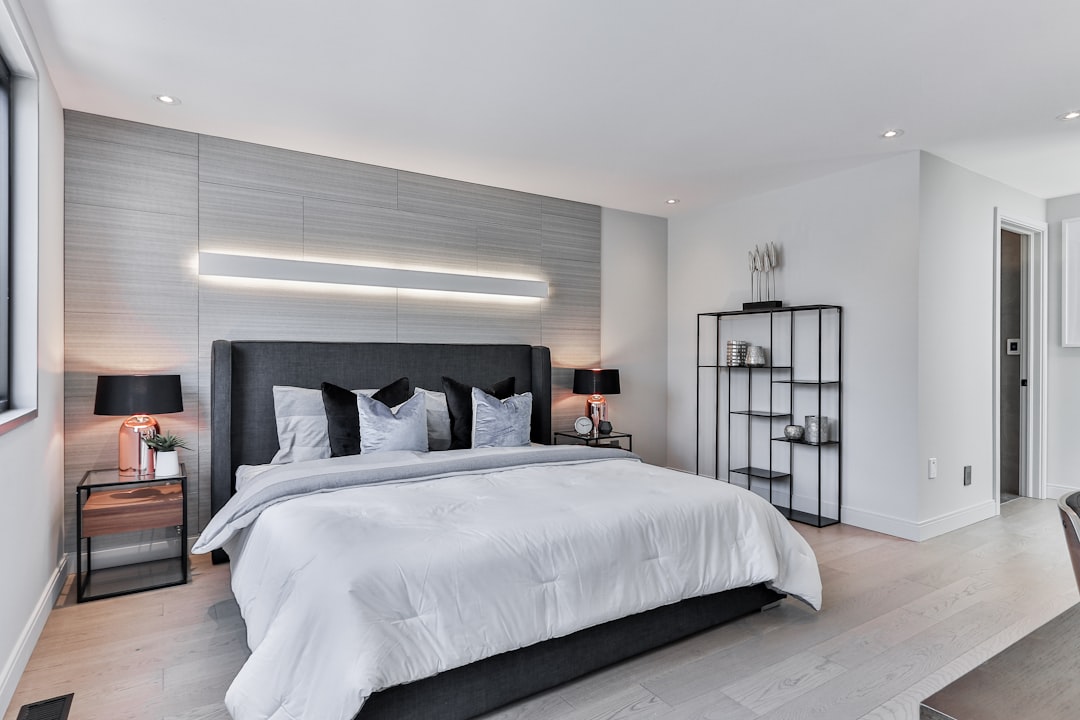
That final click can feel like a victory, but the real win happens when the box arrives and fits through your door. For a Queen frame, the advertised 152 by 190cm dimensions are just the mattress footprint. The actual assembled frame, especially with a bulky headboard or side storage drawers, can be significantly wider and taller. That extra bulk is what gets stuck.
Start with your bedroom door. Many internal doors are the single-leaf type, around 91.5cm wide. A Queen mattress alone can bend and squeeze through a narrower lift door, but a rigid wooden frame won't. If you're in a Tampines or Tanah Merah HDB, consider the lift door opening—typically about 90cm wide—and the corridor turns. Measure the exact path from the lift to your unit's entrance, then to the bedroom doorway. Leave a 5cm buffer; that skirting board quietly eats a couple centimetres of clearance. If the numbers are tight, you might face a staircase carrying surcharge, or the dreaded hoist.
Once you've cleared the doorway, think about the room itself. Use masking tape on the floor to map the full footprint, including any protruding headboard. This visualises your walking space and confirms you'll have at least 60cm clearance on the exit side. Then, check the frame legs' height. Many robot vacuums need at least 10cm of clearance to pass underneath. A low platform bed might look sleek, but it'll create a dead zone your robot can't clean—a small, daily frustration that adds up.
The only time I'd skip the full tape mock-up is if you're replacing an identical-sized frame in the same spot. Otherwise, that last physical verification is your insurance against a beautiful, unusable bed arriving at your doorstep. Measure twice, click once.