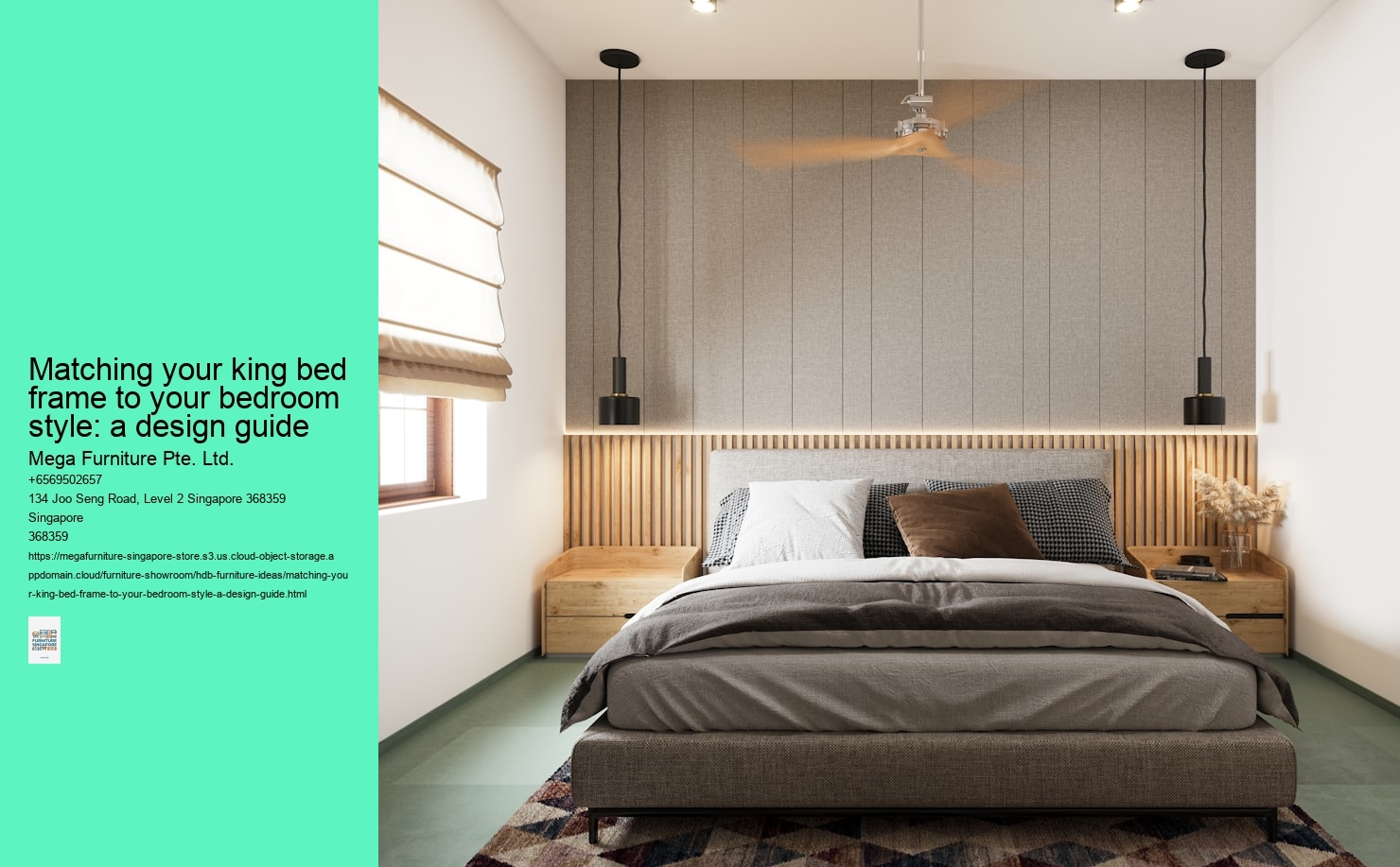
It’s a classic scene in a showroom: a couple stands beside a grand, upholstered king frame, picturing it as the centrepiece of their master bedroom. Back home, that same majestic piece becomes a blockade in a 3.5 by 3 metre space, leaving a sliver of floor to sidestep along the wall. The bed fits the room’s dimensions on paper, but the frame’s footprint—its headboard depth, side tables, or protruding footboard—eats into the crucial walking space you need every day. That extra 15 centimetres might seem trivial until it forces you to shuffle sideways past your own furniture.
Correction starts long before you browse designs. Get the tape measure out and map the floor plan, marking the exact positions of doors, windows, and air-con units. A standard king mattress is around 182 centimetres wide, but the supporting frame often adds several more. You’ll also need to account for clearance—aim for at least 60 centimetres on the side you exit from, and a minimum of 30 centimetres elsewhere for basic access and cleaning. Don’t forget to factor in skirting boards and existing furniture; that sleek platform bed with integrated side shelves might demand more wall length than you’ve got.

There’s one real exception to this rule. If you’re furnishing a spacious landed property master suite or a condo bedroom with walk-in wardrobe access, the spatial constraints relax significantly. In those cases, the stylistic impact of a substantial frame can rightly take precedence. For the vast majority of HDB and smaller condo layouts, however, the bed’s physical footprint is the non-negotiable first filter. A beautiful bed that turns your room into an obstacle course isn’t a design win—it’s a daily frustration.
A bed frame is the one piece of bedroom furniture you sleep on every night for years, so it's worth getting right rather than treating as an afterthought to the mattress. Shopping for a bed frame in Singapore comes down to three decisions: the size your room can take, the material, and whether you need storage built in. Sizes run from a 91cm single through to a king around 182 to 183cm — and the honest first step is measuring the room, the doorway, and the lift, since the bed has to get in before it can fit. Material sets the tone and the upkeep: wood for warmth, metal for a slim modern profile, upholstered or divan for softness. And in a compact flat, a storage frame turns the space under the mattress into the cheapest storage you'll ever add. Get those three right and the frame becomes a foundation you won't think about again for a long time..
That moment you realise the king bed frame you ordered won’t fit past your bedroom door—that’s a sian feeling you can avoid with a tape measure and a bit of forethought. Most people just measure the room, but that’s only half the battle. The real limit is usually the lift door, which can be as narrow as 90cm in older HDB blocks, or the internal doorway, which might be even tighter. A rigid king frame, especially a storage bed with a solid headboard, can be a real headache to manoeuvre through those tight turns in the corridor. A mattress can bend, but the frame can’t.
Start with a simple floor plan. Don’t just sketch the walls; mark every permanent obstacle—the door swing, the air-con ledge, the built-in wardrobe that juts out. For a king bed, which is around 183cm wide, you need to leave a 60cm buffer on at least one side just to get out of bed comfortably. Add another 50cm on each side for bedside tables, otherwise you’ll be balancing your phone and water bottle on the floor. In a typical 3.6 by 3.2 metre BTO master bedroom, a king frame will only fit in one specific orientation, usually lengthwise against the longer wall.
That orientation matters for more than just walking space. If your room has west-facing windows, the afternoon sun will bake anything in its path. Placing a solid timber or dark upholstered headboard directly in that glare can lead to fading or, in the case of leather, drying and cracking over the years. You might need to position the bed to avoid the worst of the heat, or commit to using blackout curtains.
The one real exception? If your bedroom is a true rectangle with a centred door and no awkward protrusions, you might get away with just the room dimensions. But for the vast majority of HDB and condo layouts, taking the time to measure the actual access route is non-negotiable. It’s the difference between a smooth delivery day and a very expensive lesson in logistics.
" width="100%" height="480">Matching your king bed frame to your bedroom style: a design guideA newly married couple in their BTO flat often finds their storage needs surprisingly modest. They might have a few suitcases, some seasonal bedding, and perhaps a collection of hobby items that don't yet demand serious organisation. A king bed with built-in drawers can feel like a luxurious solution, offering neat compartments for these initial possessions without needing bulky standalone cabinets. That spacious under-bed area becomes a convenient catch-all, keeping the relatively compact master bedroom looking tidy and open. It's a practical choice that aligns perfectly with the minimalist aesthetic many aspire to in their first home. The focus is on sleek integration, not on maximising cubic volume.
Five years later, the landscape changes completely. A child's arrival introduces a torrent of new gear—strollers, toys, bulk-purchased diapers, and outgrown clothing that you're saving for sentiment or a future sibling. The couple's own belongings have also accumulated, from professional attire to exercise equipment and perhaps gifts from relatives. That once-sufficient under-bed storage now feels cramped, forcing difficult decisions about what to keep accessible. The original bed frame's drawer capacity, designed for a simpler life, suddenly seems insufficient. You start eyeing the floor space beside the bed, wondering if you can squeeze in an additional chest.
In a typical Singapore condo or a smaller resale flat, every square centimetre is contested territory. A king-sized storage bed with a full suite of drawers requires clear floor space on at least two sides for those drawers to open fully. In a room where the bed already consumes most of the floor area, that can mean you literally cannot access the storage without climbing over the mattress. A cleaner, low-profile platform bed frees up that perimeter space, allowing for easier movement and perhaps a slim bedside table. The trade-off is surrendering that hidden storage volume, a sacrifice that only makes sense if you have alternative solutions elsewhere in the home. It's a calculation of footprint versus functionality.
The desire for a cleaner look often emerges after a decade of living with bulky furniture. You might have started with a divan bed for its immense hidden capacity, but its thick, upholstered sides can dominate the room visually. As tastes mature, many homeowners seek a more streamlined, architectural presence for their bedroom—a bed frame that feels like a deliberate design choice, not just a storage unit. A simple wooden platform or a sleek metal frame achieves that airy, intentional look. This shift sometimes coincides with a general move towards decluttering, making the loss of under-bed storage less painful. The bed becomes a centrepiece, not a cabinet.
When choosing a king bed frame for a home you'll inhabit for years, it's wise to project your future needs. A storage bed with a hydraulic lift-up mechanism offers greater volume than drawers and doesn't need side clearance, but it does require overhead space to open—a consideration for rooms with low ceilings or overhead fans. If your five-year plan includes children or a hobby that generates bulk, that extra capacity becomes a strategic advantage. Conversely, if you anticipate moving to a more compact space or simply prioritising a minimalist aesthetic, a frame without storage might be the smarter long-term investment. The key is to buy for the life you'll live, not just the one you have today.
A standard king bed frame Singapore measures around 182–183cm wide by 190cm long. In a typical HDB master bedroom, you should leave roughly 60cm clearance on the exit side for comfortable movement. While a queen size often fits more easily, a king frame requires careful planning in compact spaces. Always measure your room's exact dimensions before committing to a king size purchase.
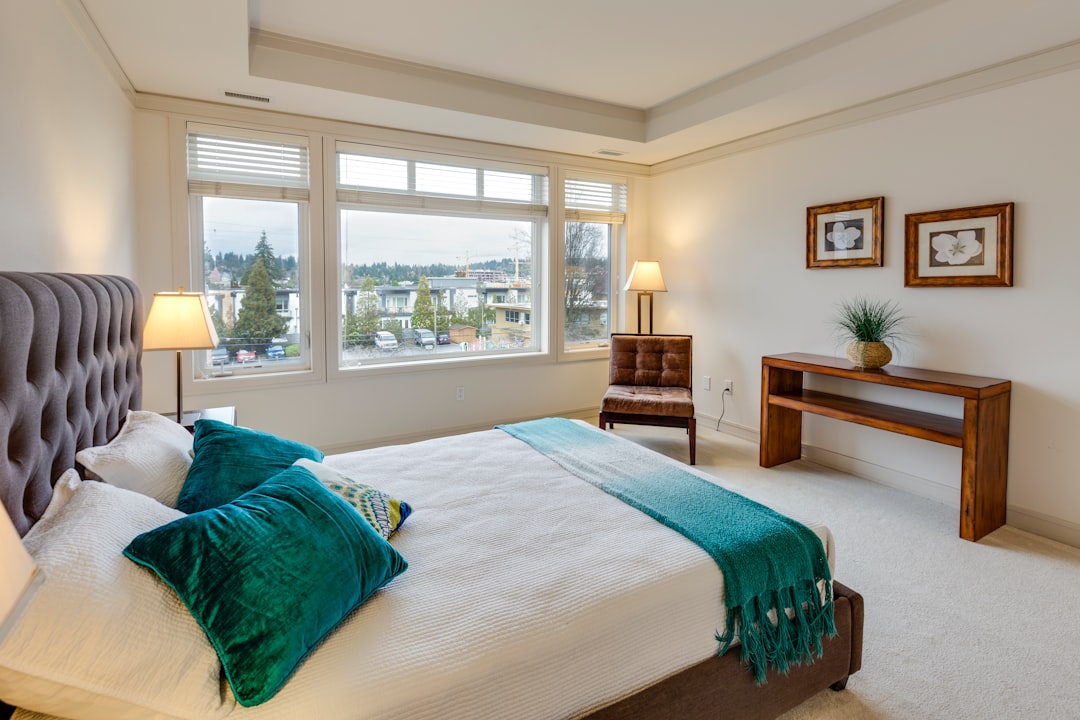
Singapore’s humidity doesn’t just frizz hair—it quietly dismantles furniture. That eighty-plus percent average moisture reading isn’t a statistic; it’s a daily siege on your bed frame’s materials. In a poorly ventilated room, especially a landed property’s ground-floor bedroom or an east-side flat catching sea breezes from Bedok to Tanah Merah, the air feels thicker, and the risk multiplies.
Rubberwood, a common affordable hardwood, is kiln-dried to resist warping, but it’s not immune. In a corner where the air barely moves, even a treated frame can slowly twist—you might find one corner lifting off the floor after a few monsoon seasons. Metal frames bring a different threat: rust. It starts at the joints, often hidden under paint or powder coating, and once it creeps in, the structural integrity goes. That’s a genuine long-term worry for a king frame supporting a couple’s weight nightly.
Upholstered beds in these damp spots are a gamble. The fabric or leather covering traps moisture against the internal padding and timber substructure. Mould isn’t just a surface stain; it can bloom inside, unseen, until a musty smell tells you the problem’s already deep. For east-side residents, this is a real design consideration—a beautiful velvet headboard facing the window might be a future cleaning nightmare.
So what survives? Solid timber and plywood frames handle the climate better, with plywood being remarkably stable. But they still need air movement. The one real exception is a fully sealed, lacquered finish on a solid wood frame—it acts like a barrier. Even then, if the room’s a true humidity trap, you’re fighting nature. Your best defence isn’t just picking the right material; it’s pairing it with a lifestyle habit. Run the air-con or dehumidifier regularly, keep the bedroom door open for cross-ventilation, and maybe skip the upholstered option if the room already feels perpetually damp. That’s the unspoken rule—the material choice works only if you manage the environment it lives in.
The mattress description on a website will tell you it’s medium-firm, but that label is useless without your own body weight and sleeping posture pressed against it. You can’t gauge support from a product page image or a list of foam layers—you need to lie down. A mattress that feels perfectly supportive to a lighter person might leave someone heavier sinking uncomfortably, and a side sleeper’s pressure points won’t be relieved by a surface that’s too rigid. That difference is why a showroom visit is non-optional if you’re upgrading from a basic frame after years of use; your body has changed, and your old mattress’s shortcomings have trained you to recognise what you actually need.
Think about the typical master bedroom in a 4-room BTO—it’s spacious enough for a King, but the bed itself becomes a daily fixture you interact with for hours. Choosing its comfort based on a review or a static image is a gamble you’ll regret every morning. In a physical showroom, you get the full ritual: sitting on the bed frame to check its stability, feeling the fabric weave of the upholstery, and then properly testing the mattress. You’ll notice if the edge support collapses when you sit on the side, or if the surface feels lifeless after a minute of lying still. These are sensations a video can’t transmit.
There’s a counterintuitive point here about time. You might think a quick five-minute test is enough, but your body’s initial impression is often wrong. A mattress that feels wonderfully soft at first contact might lack the underlying density to prevent you from sinking into a painful posture over a full night. Conversely, a firm surface that seems unyielding initially could be exactly what keeps your spine aligned after eight hours. The only reliable way to approximate that longer experience is to spend a solid fifteen minutes in the showroom, shifting positions and letting the materials respond. That’s not something you can do in your living room after a delivery.
The exception is if you’re replacing a mattress with the exact same model you already own and love—then you can skip the trip. But for anyone moving from a basic setup to a proper bed frame and mattress combination, that physical interaction is the only way to confirm the comfort level. You’ll avoid the costly mistake of ordering a mattress that feels wrong from the first night, a scenario that leads to weeks of discomfort and the hassle of returns. So for a decision that affects your sleep every single day, the showroom visit is the simplest insurance.
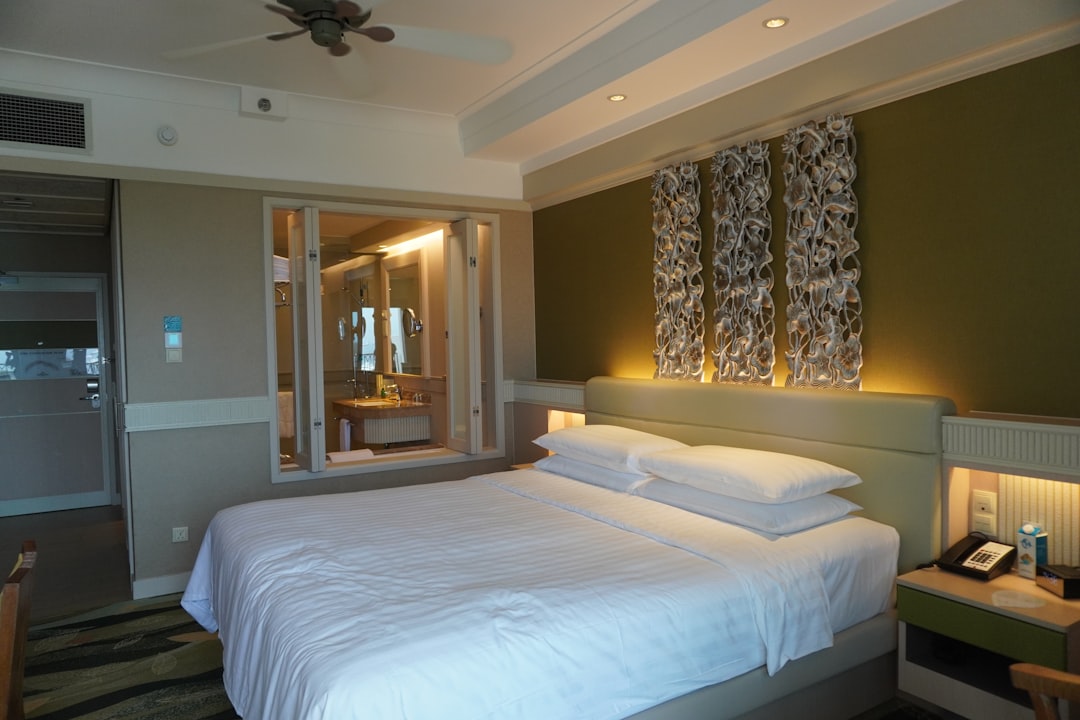
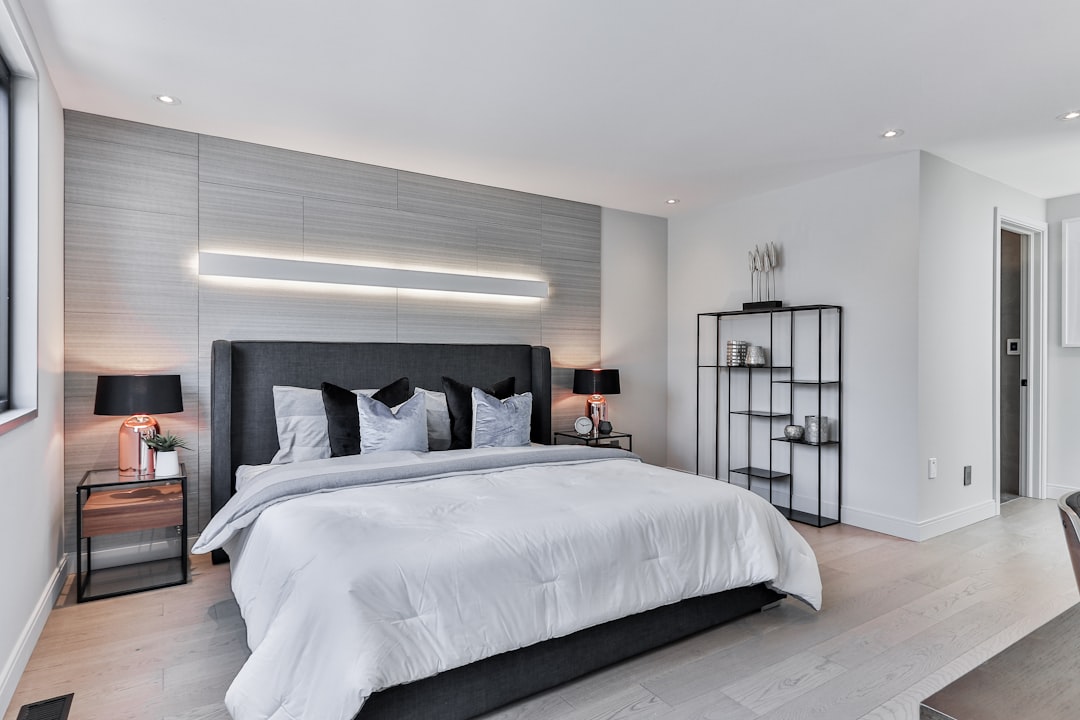
Under $800, you’re looking at a basic rubberwood king frame. It’s functional, it’ll hold your mattress, and it’s what many first-time BTO owners start with. The finish is usually a simple lacquer, the design is straightforward, and you won’t find any hidden compartments or fancy headboards. It’s a piece that does the job, but buyer wants storage or a more polished look, this tier won’t deliver. The expectation here is that you might upgrade it after five or ten years, when the kids are older or you move to a resale flat with more space.
Crossing the $1,500 mark introduces solid wood options and practical features. Storage drawers become a real possibility, often integrated into a platform base with a clean, modern silhouette. The materials shift from rubberwood alone to mixes like solid teak or oak for key structural parts, offering better longevity against our humidity. You also start seeing more finish choices—maybe a matte stain or a darker walnut tone that feels more intentional. This is the tier where the bed starts to feel like a permanent fixture, not just a temporary solution.
At $3,000 and above, the changes are about refinement and resilience. Designer finishes like hand-rubbed oils or custom veneers appear, and upholstery options move into premium fabrics or leathers that can handle the climate. The structure itself is built to support heavier hybrid mattresses without any sag or noise over time. You’re paying for details that don’t shout: seamless joinery, heavier-duty drawer mechanisms, and a overall heft that signals this frame isn’t meant to be replaced. For a king bed that anchors the room for a decade or more, this is where you land. The one exception? If you’re certain you’ll be moving to a smaller space in a few years, that hefty, premium frame might become a logistical headache—then the mid-range solid wood option is the smarter buy.
You’re measuring up your new 4-room BTO master bedroom, and the first thing you realise is that a king bed frame, especially one with storage, is a serious piece of furniture. That extra width, around 183cm, plus the bulk of drawers or a lift-up base, can turn a spacious-looking floor plan into a tight squeeze. Leave a 60cm clearance on the side you’ll exit from, and maybe 30cm on the others, but that’s the ideal. In reality, you’ll also need to navigate the lift door—often just 90cm wide—and your internal bedroom doorway. The mattress can bend, but a rigid king frame might not. So can a king storage bed fit? Usually yes, but you’ll need to check every turn from the delivery truck to the bedroom.
Do metal bed frames rust in Singapore humidity? That’s a fair worry, given our air can feel like a wet blanket. A cheap, untreated metal frame will show signs over time, especially if it’s in a room with poor ventilation. Look for frames with a good powder-coated finish or treated steel; they’re built to handle the damp. The one exception is if your flat gets strong west-facing sun—the heat can be more punishing than the humidity on some finishes.
Delivery times for a king bed frame can vary wildly, from a few days to several weeks. It depends on whether the item is in local stock, comes flat-packed, or is a custom order. Online retailers often quote a standard window, but if your block has tricky access—a narrow lift or a long staircase—that can add a day or a surcharge. Free delivery is common with a decent spend, but always confirm the timeline before you commit, especially if you’re coordinating your whole room setup.
Maintaining an upholstered bed frame isn’t just about wiping off dust. Fabrics like velvet or linen can trap moisture if your room isn’t well-ventilated, leading to a musty feel. Regular vacuuming with a soft brush attachment helps, and for spills, a quick blot with a damp cloth—never soak it. Darker colours or patterned fabrics are smarter for hiding the inevitable stains. If you’ve got removable covers, a cold wash is safe; hot water might shrink them. That’s the real upkeep, beyond just looking nice.

The moment you’ve settled on a king frame design is exactly when you should pause. That picture-perfect platform or that sleek upholstered storage bed might not survive the practical realities of your actual bedroom. The difference between a smooth installation and a logistical nightmare often hinges on a few overlooked details.
First, verify your floor plan measurements against the frame’s dimensions, not just the mattress size. A king bed is around 183 centimetres wide, but the frame itself can add several centimetres on each side. In a master bedroom that’s roughly 3.5 by 3 metres, you’ll need to leave a minimum of 60 centimetres clearance on the exit side and about 30 centimetres elsewhere. Don’t forget to account for skirting—that extra 1 to 2 centimetres can mean the bed ends up flush against the wall, making it impossible to tuck in sheets or reach for dropped items. Measure twice, buy once.
Next, confirm the combined weight capacity. A king mattress alone is heavy, and when you add two people and possibly a storage bed loaded with winter blankets or luggage, the total load can be substantial. Check the frame’s rated capacity against your mattress weight plus a realistic estimate of use. A frame that’s borderline will start to creak or sag within a year, especially if it’s a hydraulic lift-up type where the mechanism bears the extra strain. This is one area where over-specifying pays off.
Assess ventilation in your specific bedroom layout. If your room is west-facing or has limited airflow, a solid base platform bed can trap moisture underneath the mattress. An open-frame design with gaps or slats allows better air circulation, which helps manage the high humidity we experience here. That’s a non-obvious point many buyers miss—aesthetics can compromise air flow, and over time that affects both the mattress and the frame materials.
Finally, decide on required storage versus preferred aesthetic. In a 4-room BTO, a storage bed can be a necessity for stashing luggage and extra bedding. But drawers need floor space beside the bed to open fully, and a hydraulic lift-up needs overhead clearance—you can’t have a low ceiling or a wall-mounted shelf right above it. If your room layout truly can’t accommodate either, then a clean platform frame is the better call, even if you’d prefer the extra storage. Style must follow function when the space says cannot.