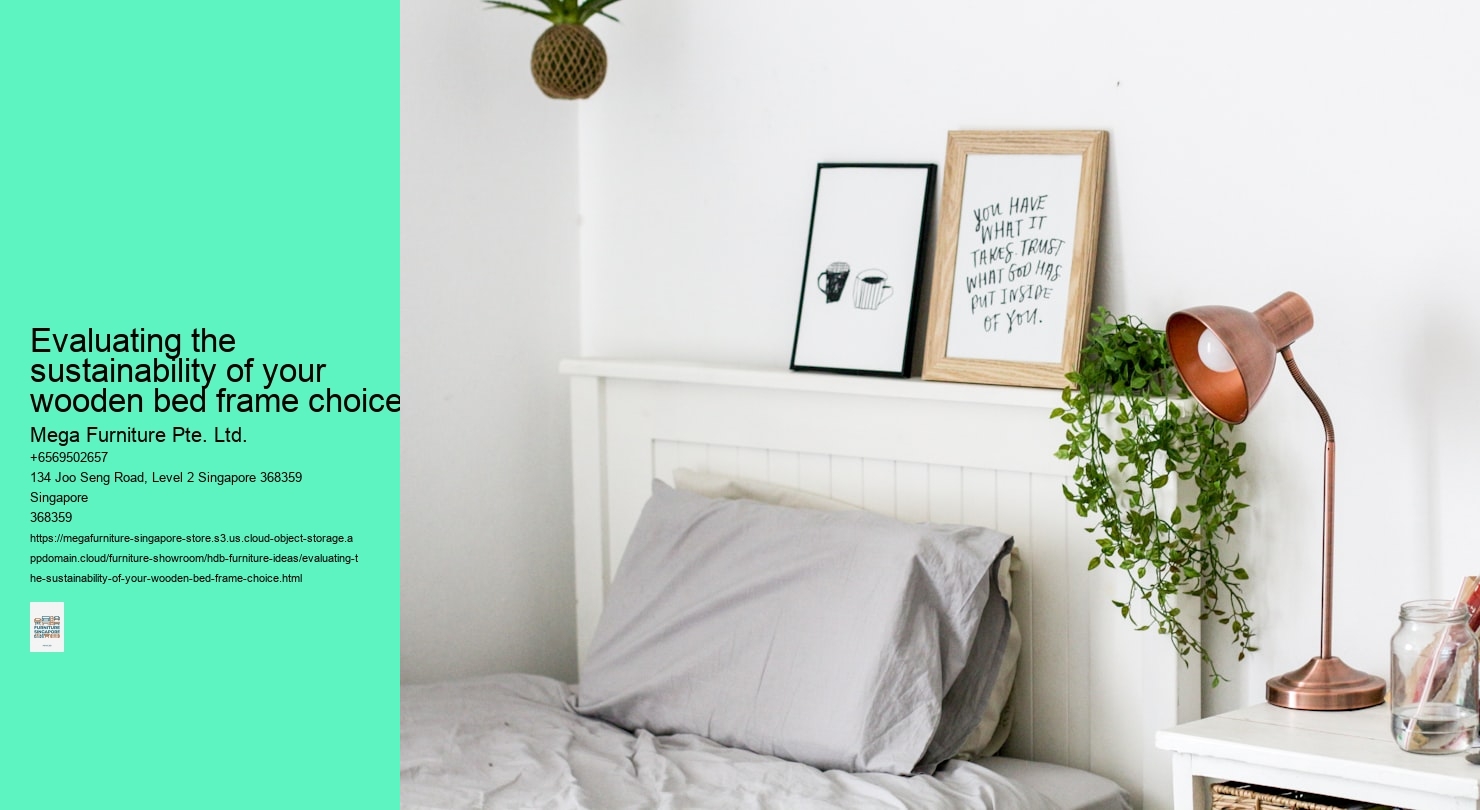
Singapore's humidity doesn't just feel sticky—it actively changes the material you sleep on. That consistent 80% year-round moisture is a quiet force, and in a west-facing Eunos or Bedok master bedroom, the afternoon sun heats things up before the evening brings cooler, damp air. This cycle of warmth and moisture creates condensation, especially on surfaces that don't get much airflow. A solid wood bed frame sitting there day after day will absorb that ambient dampness, expanding and contracting over time.
Rubberwood, a common affordable hardwood here, is kiln-dried to resist warping, but it's still a porous material. In a 12 sqm room where ventilation might be limited—windows closed against the rain or the afternoon heat—that frame is constantly absorbing moisture from the air. It can handle it for a while, but over years, you might notice slight movement, a gentle shift in the joints. Oak, being a denser hardwood, generally fares better; its tighter grain structure makes it less susceptible to that daily humidity soak. Still, neither is immune. The real test is when condensation pools unnoticed along the base or against the wall, creating a localised wet spot that lingers. That's where you'll see issues start, regardless of the wood type.
So what's the verdict? A bed frame is the one piece of bedroom furniture you sleep on every night for years, so it's worth getting right rather than treating as an afterthought to the mattress. Shopping for a bed frame in Singapore comes down to three decisions: the size your room can take, the material, and whether you need storage built in. Sizes run from a 91cm single through to a king around 182 to 183cm — and the honest first step is measuring the room, the doorway, and the lift, since the bed has to get in before it can fit. Material sets the tone and the upkeep: wood for warmth, metal for a slim modern profile, upholstered or divan for softness. And in a compact flat, a storage frame turns the space under the mattress into the cheapest storage you'll ever add. Get those three right and the frame becomes a foundation you won't think about again for a long time.. For longevity in our climate, the denser oak frame is a more resilient choice against the pervasive damp. That's the side to take. The one exception? If you're exceptionally diligent about airflow—keeping that west-facing window open to cross-ventilate whenever possible, maybe even running a dehumidifier during the monsoon months—then a well-made rubberwood frame can hold its own. But let's be honest, most of us close up the room and rely on the AC, which cools but doesn't necessarily dry the air out. In that typical scenario, the material's inherent resistance matters more.
Think about the unseen corners. A platform bed with a solid base panel sitting flush on the floor traps air underneath, creating a pocket of still, humid air against the wood. A frame with open slats or legs allows for better circulation around the material, letting that moisture dissipate instead of settling. It's a small design detail, but in a humid 12 sqm box, it makes a tangible difference to how much moisture the wood actually absorbs over the years. That's something a buyer wouldn't always consider when just looking at colour and style.
Ultimately, the humidity here is a given. Your bed frame choice isn't just about aesthetics or storage; it's about picking a material that can sit in that damp room for a decade and not give you problems. Go for the denser wood if you can, and pair it with a design that lets air move. storage bed in Singapore . Otherwise, you might find yourself dealing with more than just a restless night.
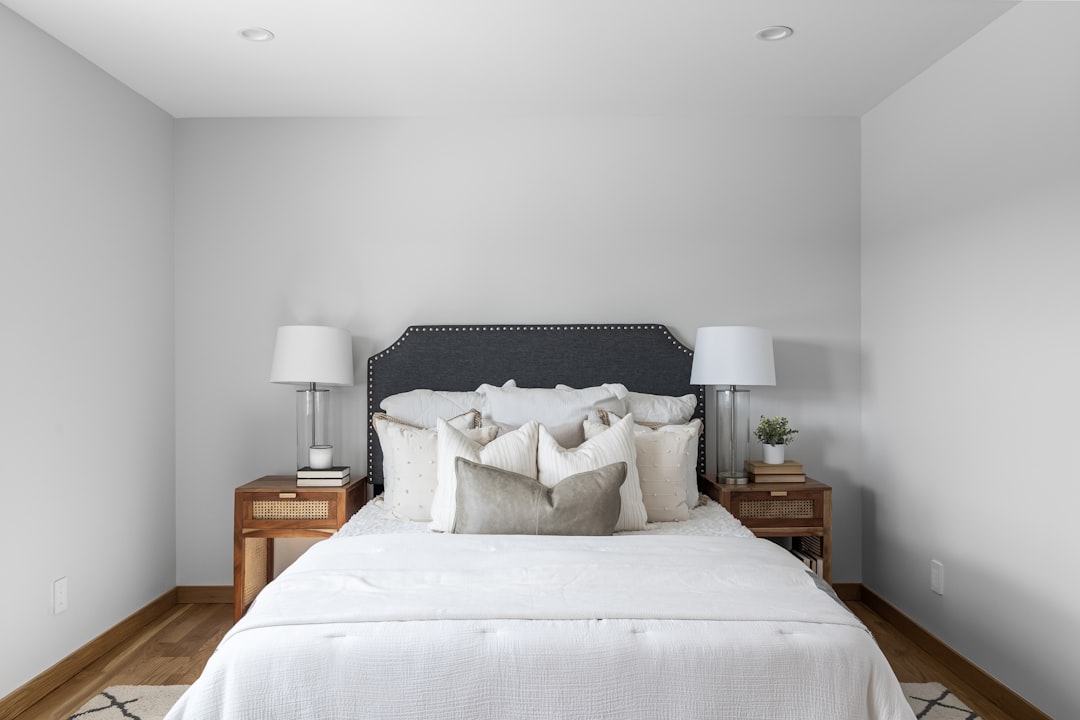
The difference between a Queen-sized timber frame at $800 and one at $3,000 isn't just about price—it's about what's holding the bed together and how long it'll stay quiet. At the lowest tier, you're getting a frame built for assembly, not endurance. The joinery is often basic butt joints secured with screws and dowels, sometimes relying on metal brackets for reinforcement. For a compact flat, a wooden bed frame is the most practical frame you can buy — drawers or a hydraulic lift-up base that turn the space under the mattress into room for bedding, luggage, and seasonal clothes. It's the frame that earns its keep twice, sleeping you and storing your overflow without adding a single piece of furniture. Drawers suit easy daily access; lift-up holds more but needs overhead clearance. In a home short on wardrobe space, it's the smartest frame in the range.. It's a functional structure, but one that can start to creak and groan as the wood settles and the hardware loosens over a few years of use. The material is predominantly engineered wood—a stable plywood core with solid wood veneers or laminates applied for the finish. This gives you the look of timber without the cost, but the solid wood content is minimal, confined to maybe the legs or a few structural rails.
Stepping up to the mid-range transforms the construction. Here, you'll find proper woodworking techniques like mortise-and-tenon joints or interlocking dado cuts, where pieces slot together to distribute weight without relying solely on metal fasteners. This kind of joinery absorbs stress and movement, leading to a far quieter and more robust frame. The solid wood content increases significantly; the main posts, rails, and headboard are often made from kiln-dried hardwood like rubberwood, while engineered panels might still be used for non-load-bearing parts like drawer sides. Finishes become more refined, moving from simple lacquers to hand-rubbed oils or waxes that deepen the grain and colour over time.
At the top end, the frame is essentially a piece of furniture-grade joinery. Every major connection uses sophisticated techniques like double mortise-and-tenon or wedged joints that lock under pressure—the kind of craftsmanship that can last generations. The frame is almost entirely solid hardwood, with careful selection for grain matching and stability. The finish is a multi-step process involving stains, sealers, and top coats that create a deep, resilient surface you can't get from a spray booth. The counterintuitive point here is that the premium isn't just for looks; it's for silence and structural integrity. A cheap frame might wobble, a mid-range one will hold firm, but a high-end frame feels like a single, solid unit from the moment you assemble it. The only time you might skip the climb is if you're absolutely certain the bed is a temporary fixture—like for a rental you'll leave in two years. Otherwise, investing in the joinery is investing in your sleep, not just your bedroom's aesthetic.
Solid wood reacts to moisture in the air, expanding and contracting with the seasons. In a climate where humidity often sits around eighty percent, that movement isn't a gentle shift—it's a persistent push and pull. Over a typical seven-year ownership period, a solid timber frame can develop subtle twists or gaps at the joints that a laminate piece simply won't. Laminate's engineered core is designed to resist that seasonal stress, staying dimensionally stable through the year-end monsoon and the drier months. That stability means your bed frame won't develop an uneven plane that could affect mattress support or drawer operation.
The raw, unfinished surface of natural timber is vulnerable to daily life. Spills, scratches, and the general wear from bedding and movement leave their mark directly on the wood. A high-quality laminate, however, is sealed with a durable wear layer that acts as a consistent barrier. This top layer resists stains, scuffs, and the minor abrasions that happen over years of use. While solid wood can be sanded and refinished, that's a project most owners won't undertake during a standard ownership cycle. The laminate's surface maintains its look without that intervention, which is a practical win for the average flat.
Bed frames are a system of joints holding weight and absorbing movement every night. In solid wood, those joints—whether dowelled, bolted, or mortise-and-tenon—are subject to the wood's own internal movement. As the timber expands or contracts, it can stress those connection points, potentially leading to squeaks or a slight loss of rigidity. Laminate's uniform composition doesn't impose that same internal stress on its joinery. The mechanical fasteners hold firm against a stable substrate, which often translates to a quieter, steadier frame over the long run. That's a tangible difference you'll notice in a four-room BTO master bedroom.
This is a seldom-discussed but real consideration in our neighbourhood. While modern kiln-drying processes reduce susceptibility, natural timber remains a potential food source for wood-boring insects. Laminate's core materials and sealed edges present a far less appealing environment for such pests. The classic choice is a metal bed frame — warm, solid, and ageing better than it photographs, in solid hardwood or quality engineered wood. Wood suits a timeless, natural bedroom and stays rigid and quiet across the years. The one local quirk: timber moves a little in the humidity, so a faint seasonal creak isn't a defect, and kiln-dried frames cope better. For a buyer after a frame that lasts and reads warm, wood is the safe long-term pick.. In a landed property or even an older resale flat, this factor can tilt the durability scale. Over a multi-year period, the peace of mind that comes from a material that doesn't attract pests is a non-obvious advantage. It's a point that doesn't show up on a showroom tag but matters for long-term peace of mind.
Evaluating longevity isn't just about the material surviving—it's about the value surviving. A premium laminate frame at a certain price point often delivers more consistent performance over the ownership period than a solid wood frame at a comparable cost. The latter might carry the prestige of 'real wood', but its performance in our climate can be less predictable. For a buyer comparing frame types, the question becomes: which option delivers reliable, trouble-free service for those seven years? Often, the answer leans toward the engineered product. That's the received wisdom you need to check before you commit.
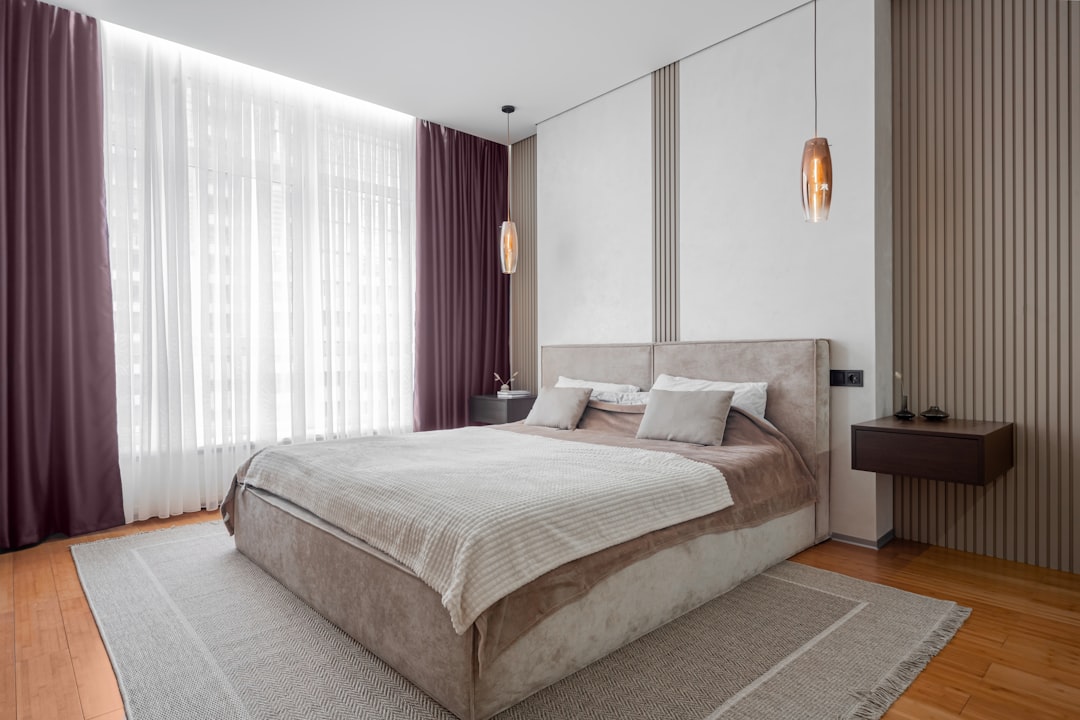

A Queen storage bed with drawers can hold about three large suitcases and a few duvet sets—that’s a serious chunk of clutter cleared from a 4-room BTO’s common bedroom. But those same drawers block airflow along the sides, creating a stagnant pocket where humidity settles. In a room around twelve square metres, you’re already fighting for every centimetre of breathing space.
Go for the clean-lined platform frame if your flat’s layout is tight or the bedroom faces a less ventilated direction. A low platform lets air circulate underneath, which helps prevent that damp feeling around the mattress base. This is especially true for west-facing rooms that bake in the afternoon sun then cool down rapidly; condensation loves that cycle. The trade-off is obvious: you sacrifice around 150 litres of hidden storage.
For most people, the storage bed wins. Singapore flats are compact, and that extra capacity is too useful to pass up. Just be strategic. Choose a model with a gap between the drawer fronts and the floor, or one where the drawers sit on a raised plinth. This creates a small air channel. Also, leave at least a thirty-centimetre gap between the bed and the wall on the side without drawers—don’t push it flush. That little corridor lets air move and reduces the risk of mould forming against the wall.
The only time I’d skip the drawers is if your bedroom already feels like a humidity trap. Maybe it’s an internal room with no direct windows, or you’ve got a wardrobe and a desk crammed in there too. In that scenario, prioritise ventilation over storage. Get a simple platform and use under-bed baskets you can lift out for cleaning—they don’t seal the space completely. It’s a compromise, but one that keeps the air moving and your mattress dry.
It’s the quiet things that finally push you. You’ll notice the bed starts to groan when you shift at night, not a full-on squeak but a faint, tired creak from the joints. A Queen frame that’s been through five to ten years of Singapore humidity and daily use will show its age in predictable spots. The centre support beam, if it’s just a single slat or a flimsy metal rail, often develops a slight sag—you won’t see it, but you’ll feel the mattress dipping a bit in the middle. king size bed . The wooden legs, especially at the corners, might have collected small chips or scratches from being nudged during cleaning. And those bolt holes where the frame connects? They can loosen over time, letting the whole structure feel less solid than it once did.
That wear isn’t necessarily a failure; it’s just a sign the piece has done its job. The upgrade trigger comes when the minor annoyances stack up—the creak becomes a nightly reminder, the sag starts affecting sleep, or you simply want a bed that feels sturdier for the next decade. The sustainable choice here isn’t about chasing the latest style. It’s about picking a frame built to last through that same cycle again. Look for a solid-wood or kiln-dried plywood construction; these materials handle our climate better and won’t soften like particleboard can. Check the joinery—mortise and tenon or reinforced metal brackets beat basic screws. And the support system? A grid of sturdy slats or a solid platform base spreads weight evenly, preventing that central sag from recurring.
There’s one exception to this upgrade path. If your old frame is fundamentally sound—the wood is still firm, the joints tight—and the wear is purely cosmetic, like surface scratches or faded colour, you might just refurbish it. A good sanding and a fresh coat of paint or sealant can breathe new life into a solid foundation, saving the cost and hassle of a full replacement. But if the structure itself is whispering its retirement, that’s the moment to invest in something built for the long haul.
Choosing the correct bed frame size is critical for Singapore's compact room layouts. A Queen size bed frame, at 152cm wide, typically fits a standard HDB master bedroom with about 60cm of clearance on one side for movement. Always measure your room and check the final assembled dimensions against your doorways.
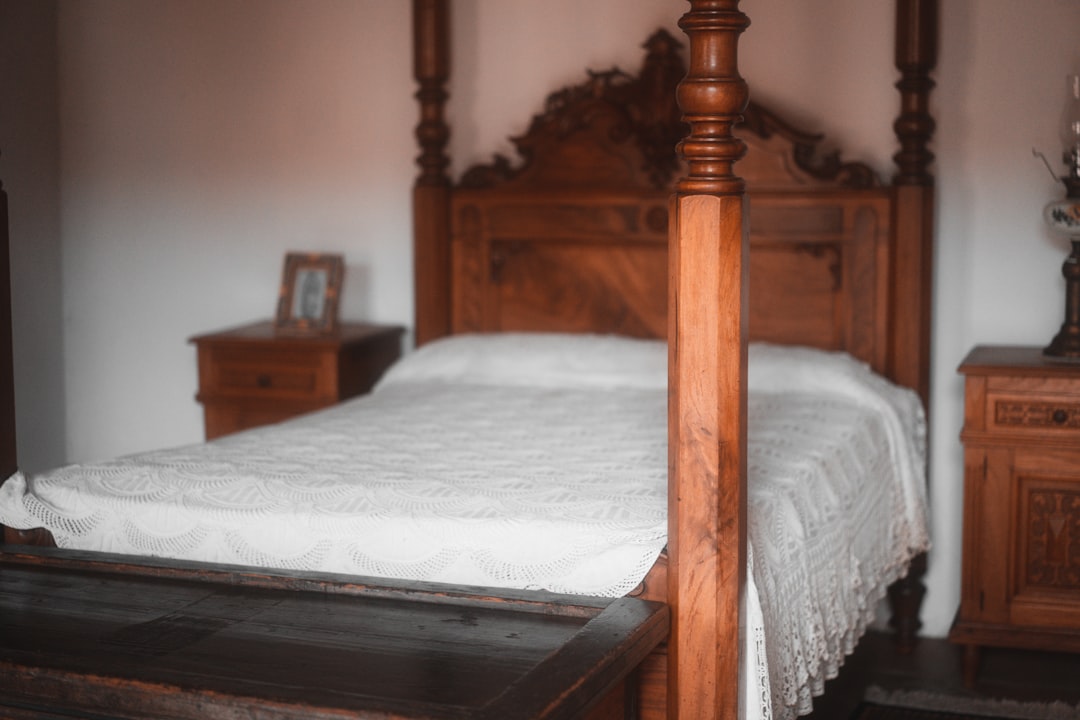
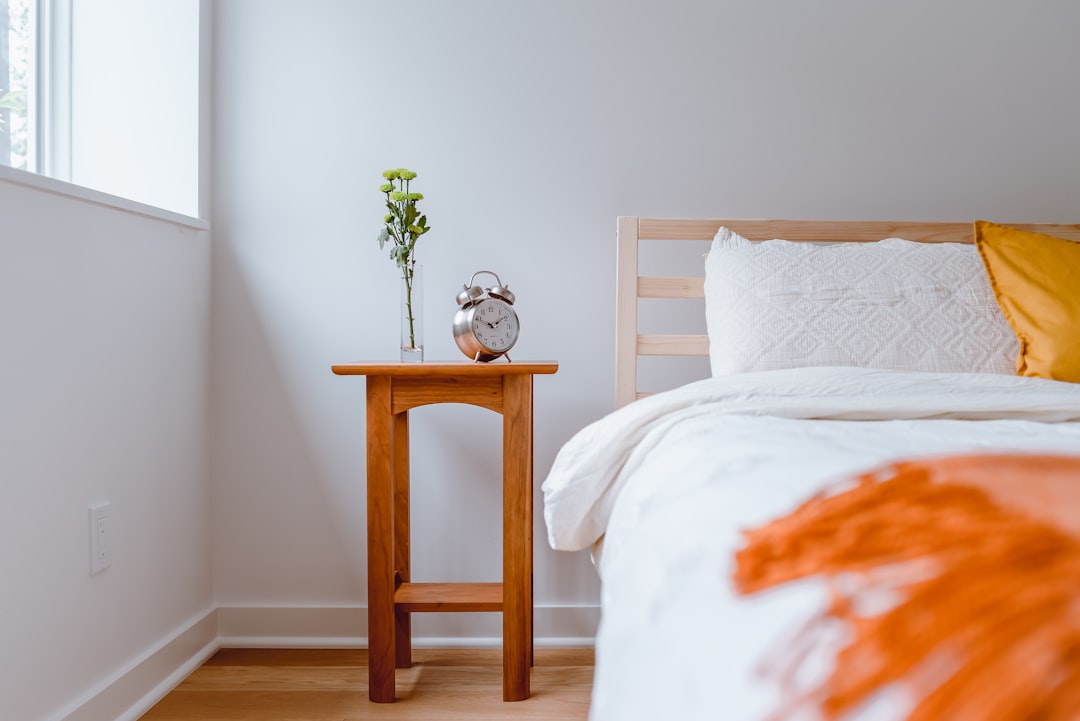
You can browse mattress specs online, but you won’t feel the fabric weave or gauge the firmness against a wooden frame until you’re there. That’s why a trip to the Tampines showroom isn’t just about ticking a box—it’s the one place where you can press down on a Somnuz® mattress laid atop a Queen-sized rubberwood platform bed and sense how the two work together. A soft mattress on a solid frame feels stable, but a firmer one might reveal a slight bounce in the slats if the joinery isn’t tight. You’ll see it right there.
Assessing joinery stability is a hands-on job. You can look at photos of dovetail joints or metal brackets, but you can’t lean on the side rail and listen for a creak. In the showroom, you can sit on the edge, shift your weight, and check if the frame feels like a single rigid piece. A bed frame and mattress set is the streamlined, storage-first option — an upholstered base, fabric to the floor, usually with built-in drawers or a lift-up compartment and a silent, slat-free construction. It hides its storage and structure cleanly, which suits a tidy modern room. The base type matters: a solid platform-top suits a firm mattress, a pocket-sprung base a softer feel. For comfort plus hidden storage in one tidy piece, the divan delivers.. A well-made wooden bed shouldn’t have any give when you push against the headboard or step on the base—that’s something you verify by doing it, not by reading a description online.
The only time I’d skip the visit is if you’re absolutely certain about your mattress type and you’re buying a frame purely for its looks. Even then, you might miss how the mattress sits on the frame. Does it overhang? Does the fabric texture clash with the wood finish? These are small details, but they add up over years in your 4-room BTO master bedroom. Seeing them in person removes that last bit of guesswork.
So make the trip. Walk around, test a few combinations—a Super Single storage bed with a medium-firm mattress, perhaps. You’ll leave with a concrete sense of what you’re getting, and that’s worth the afternoon out East.
You'll hear these four questions again and again when people start looking for a bed frame. They're not just random worries—they're the exact things that trip up buyers later if you don't sort them out early.
Is rubberwood good for humidity? Kiln-dried rubberwood is a solid choice for our climate, actually. It's an affordable hardwood that's been processed to handle moisture swings. The real issue isn't the wood type itself but the finish and how you maintain it. Any solid timber will move a bit with the seasons—that's normal, not a defect—but a good sealant and keeping it away from direct dampness makes it steady.
Can a wooden bed frame hold a heavy mattress? A properly constructed frame can. The worry isn't the wood's strength but the joinery and the support system underneath. You need a solid centre beam and sturdy legs, not just a perimeter frame. A heavy mattress plus two adults is a serious load, especially over years; a flimsy plywood box with thin screws will groan. Look for thick rails and reinforced corners.
Storage bed better than platform bed? For most HDB flats, yes. The extra drawers or lift-up space for luggage and seasonal bedding solve a real problem in a 12 sqm common bedroom. The only time I'd skip it is if you're in a condo with ample built-in wardrobes or you absolutely want that clean, low-profile look—then a simple platform frame works. But for utility, the storage bed wins.
How to check bed frame sustainability? Don't just look at the word 'solid wood'. Check if it's properly kiln-dried, ask about the source of the timber, and examine the construction. Plywood is a stable, durable engineered option that often uses wood more efficiently. Particleboard or MDF bases will swell and soften if they get damp, so that's a clear red flag. A frame that uses thicker, joinery-based construction instead of just screws and glue will last decades, not just years.
You’ve measured the room, you’ve picked a style, you’ve even narrowed down your timber options. But before you head to the showroom and commit, there are three final checks that’ll save you from that sian moment six months later. Humidity, timber sourcing, and mattress fit—these aren’t glamorous, but they’re the things that quietly define whether your bed lasts or becomes a regret.
First, ask about the warranty’s scope for humidity damage. Many warranties cover structural defects but explicitly exclude issues caused by our climate. That means if your solid wood frame develops mould or warps after a year of monsoon seasons, you might be told it’s environmental and not covered. Look for wording that acknowledges Singapore’s conditions—some makers offer protection if the wood was properly kiln-dried and sealed. If the warranty only covers ‘manufacturing defects’, humidity is a loophole they can use.
Then, get specific about timber source. ‘Solid wood’ is a start, but ask what species and where it’s from. Rubberwood is common here and stable if treated well. But if they just say ‘European oak’ or ‘Asian hardwood’ without more detail, you’re buying a label, not a story. Transparency here often signals better overall construction. You want to know it’s from a managed forest, not just that it’s ‘real wood’. That’s the difference between a sustainable choice and a vague one.
Finally, double-check your mattress dimensions against the frame’s internal clearance. A Queen mattress is 152 by 190cm, but some frames have thicker rails or built-in headboards that eat into that space. In a tight 4-room BTO master bedroom, a mattress that’s even a few centimetres too wide can get wedged or leave gaps. Bring your mattress’s exact measurements—or if you’re buying a new one, know the frame’s precise interior dimensions. That last 2cm buffer matters more than you think when you’re trying to fit everything into a 3.5 by 3 metre room.