
The warranty booklet you get with a new bed frame is a comforting document, but its protection isn’t indefinite. Past the initial two-year period, the coverage narrows dramatically, and many clauses are written precisely to exclude the effects of Singapore’s climate. The phrase ‘fair wear and tear’ becomes the key filter, and it’s designed to separate normal ageing from manufacturing defects. In our humidity, that distinction is everything.
Wood movement is a classic exclusion. Solid timber expands and contracts with seasonal shifts in moisture, and a frame that creaks slightly or shows minor gaps at the joints after a few monsoon cycles isn’t failing—it’s behaving as wood does. Manufacturers won’t cover it because it’s not a flaw in construction. Surface staining from high humidity, especially on unfinished or lightly sealed woods, also falls outside the warranty. That dark spot on your headboard isn’t a defect; it’s the environment interacting with the material.
This is where material choice matters intensely. Take two common options: untreated rubberwood and properly sealed teak. In an 80% humidity environment, rubberwood, while a decent hardwood, is more susceptible to absorbing moisture. It might show staining or feel slightly damp in sustained wet weather. Teak, with its natural oils and tighter grain, resists moisture penetration far better. A warranty won’t cover the staining on the rubberwood, but with teak, you likely won’t have the issue to begin with. The clause protects the maker from our climate’s natural effects on less resilient materials.
Joint loosening from regular assembly or disassembly is another grey area. If you’ve moved flats and had to take the bed apart and reassemble it, any resulting play in the connectors is considered owner-induced, not factory-fault. The warranty assumes a single, correct assembly in a stable location. So if you’re in a BTO you plan to stay in for years, this might not concern you. But for renters or those anticipating a move, a bed with a simpler, more monolithic construction avoids this risk entirely.
Ultimately, the fine print teaches you that the real warranty isn’t the document, but the material you choose and the environment you maintain. Focus on stable, well-sealed woods and keep your bedroom reasonably ventilated. A bed frame is the one piece of bedroom furniture you sleep on every night for years, so it's worth getting right rather than treating as an afterthought to the mattress. Shopping for a bed frame in Singapore comes down to three decisions: the size your room can take, the material, and whether you need storage built in. Sizes run from a 91cm single through to a king around 182 to 183cm — and the honest first step is measuring the room, the doorway, and the lift, since the bed has to get in before it can fit. Material sets the tone and the upkeep: wood for warmth, metal for a slim modern profile, upholstered or divan for softness. And in a compact flat, a storage frame turns the space under the mattress into the cheapest storage you'll ever add. Get those three right and the frame becomes a foundation you won't think about again for a long time.. That’s the lasting coverage you actually need.

That warranty slip tucked in the box becomes useless when you move flats. Most manufacturers void coverage if you’ve disassembled the frame, even if you reassemble it perfectly. They’ll argue the integrity of the original assembly is compromised, and any subsequent slat failure is your fault. It’s a common trap for those moving between a 4-room BTO in Punggol and a resale flat in Bedok—you take the bed apart to fit it through the lift door, and suddenly you’re on your own if something breaks.
The other big warranty void is using an incompatible mattress. Those thick, heavy hybrid mattresses—popular here for their cooling layers and support—put immense pressure on a frame designed for a simpler spring unit. Picture a standard Queen bed in a 4-room BTO master bedroom: the frame looks fine, but the weight distribution changes entirely when you swap a 25cm hybrid onto it. The centre slats bear most of the load, and if they’re spaced too widely or made from a softer wood, they’ll bow and eventually snap. You can’t blame the manufacturer then; they’ll point to their specs, which often list a maximum mattress height or weight.
So what’s the exception? If the slats collapse within the first month on a compatible mattress, without any disassembly, that’s usually a clear manufacturing defect and should be covered. But after that, especially after a move or a mattress upgrade, you’re likely responsible. The takeaway is straightforward: choose a frame with closely-spaced, sturdy slats from a kiln-dried hardwood, and treat disassembly as a permanent warranty sacrifice. Once you’ve taken it apart to navigate that 90cm lift door, you’re guaranteeing its future yourself.
Opening a drawer in the showroom tells you what the warranty won't cover later. A drawer that sticks or wobbles on its first pull isn't just a nuisance—it's a sign of poor assembly or low tolerance parts. That slight catch you feel means the glides aren't aligned properly, a defect that might be dismissed as "normal wear" after six months of use. Testing every drawer with a firm, repeated action reveals if the frame can handle daily strain without developing a permanent drag. You'll know instantly if a brand's promise of smooth operation holds up under real pressure, saving you from a future claim rejection over "user-induced misalignment."
Sitting on a bed in a showroom isn't about comfort alone; it's a structural audit. Apply your full weight deliberately at the edges and centre to listen for creaks or feel for any shift. A frame that flexes unnaturally under a single person's weight likely uses undersized joinery or weak support rails, issues that often lead to "gradual sagging" excluded from coverage. This simple test mimics years of nightly use condensed into one moment, exposing weaknesses that photos and descriptions never reveal. It's the quickest way to gauge if the construction will honour the warranty's promise against frame failure.
Direct questions about finish warranties against colour fade are crucial, especially for west-facing rooms. Showroom staff might gloss over specifics, but pressing them on what "sun damage" exactly means uncovers limitations. Many warranties protect against manufacturing defects in the coating but not against the bleaching effect of sustained afternoon sun, a common reality in many Singapore flats. Asking for a written clarification on this point forces the retailer to define the line between a defective finish and an environmental one. You'll leave knowing whether your investment is protected against the specific harsh light your bedroom faces.
Close visual inspection of joints and connections in the showroom can preempt "assembly error" disputes. Look for gaps in glued seams, uneven screw heads, or any visible filler used to mask imperfections. These minor flaws are often the precursors to larger failures that manufacturers later attribute to improper setup or accidental damage. Taking the time to examine these details under the showroom lights gives you concrete evidence of initial quality, something you can reference if a joint fails prematurely at home. It turns a subjective warranty claim into a matter of observable, pre-existing condition.
Requesting the warranty document on the spot and reading the exclusions list is a final, vital step. Don't accept a verbal summary; hold the physical or digital copy and scan for terms like "normal wear," "environmental factors," or "improper use." These are the clauses that void coverage for the issues you're physically testing—glide roughness, frame instability, finish fade. Comparing the document's language to what you're experiencing with the actual product highlights the gap between marketing promise and legal reality. This review completes the visit, transforming your hands-on tests into informed, defensible buyer knowledge.
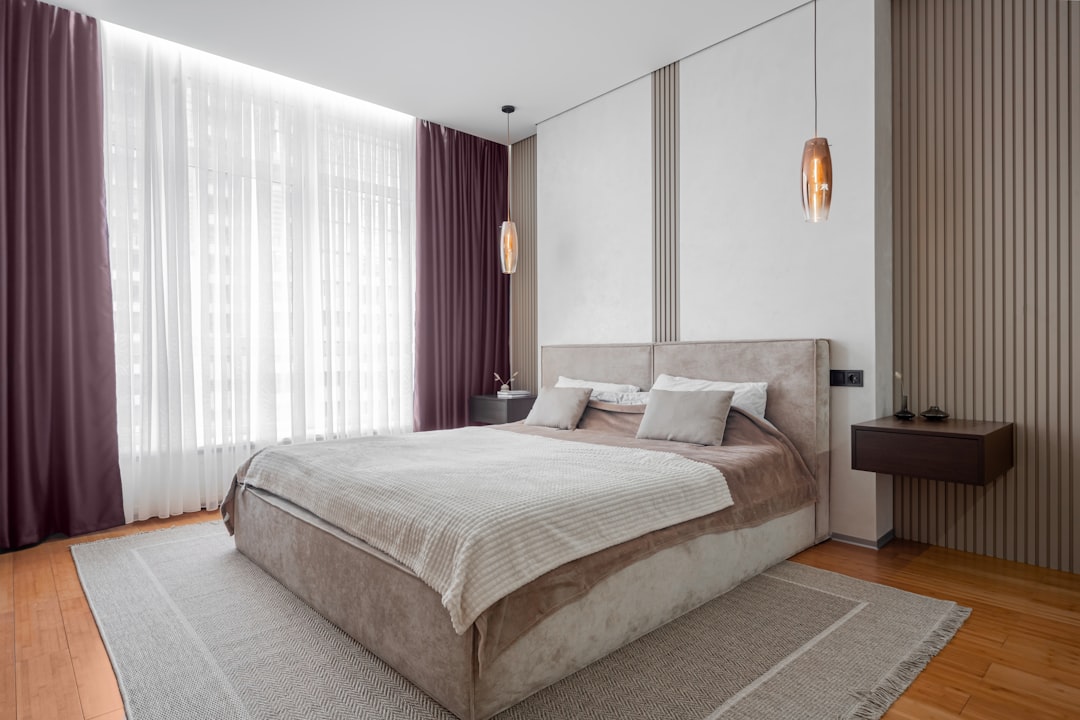

That warranty card tucked inside the box looks reassuring, but it’s not a blanket guarantee. Many wooden bed frame warranties hinge on conditions that get overlooked at delivery—conditions that are entirely outside the manufacturer’s control. If the assembly crew puts the frame together in a humid corridor or on a bare floor without the right underlayment, you could void the coverage for any future wood movement or swelling. It’s a clause that catches buyers off-guard, because the responsibility shifts to you to ensure the environment is suitable.
Consider the typical delivery scene in an Eunos or Tampines HDB block. The lift lobby is often the staging area, especially if the bedroom itself is tight. That space isn’t climate-controlled; it’s subject to the building’s ambient humidity, which can spike during the monsoon months. Assembling a kiln-dried rubberwood or plywood frame there, with parts laid out on the tile floor, introduces risk. The wood can absorb moisture rapidly in those conditions, starting a process that might only show as warping or joint stress months later. A warranty claim for “defective materials” could then be rejected because the assembly violated the stated dry, indoor environment requirement.
The initial inspection window is your only chance to spot and stop this. When the delivery team arrives, don’t just direct them to the room. Check the weather—if it’s a rainy afternoon, insist they move the pieces directly into the bedroom before unpacking. Verify they’ve brought a protective underlayment, like a tarpaulin or thick cardboard, to place between the frame components and the floor during assembly. This isn’t about being difficult; it’s about protecting your investment. A proper underlayment prevents direct contact with any residual moisture on the floor surface, which is especially crucial in older estates where lift lobbies might not be as well-sealed.
You might think the crew knows best, but their priority is speed and getting the job done. Your priority is longevity. So, be present and vocal during that ten-minute setup. If the conditions aren’t right, ask them to wait or adjust. It’s a small hassle that guards against a much larger one: finding out your warranty is void when you need it most. The only time to let this slide is if you’re buying a frame explicitly built for outdoor or damp environments—which, for a bedroom, you almost never are.
Warranties often feel like a promise, but the fine print can get tricky. The questions buyers actually ask in showrooms reveal where coverage gets stretched—or snaps.
Do wooden bed warranties cover termite damage in landed properties? Almost never. Termites are an environmental pest issue, not a manufacturing defect. Even in a landed house with timber frames, the warranty covers faults in the joinery or finish, not an infestation you kena from the neighbourhood. It’s on you to keep the wood treated.
Is squeaking covered under warranty? Sometimes, but it’s a grey area. If the squeak comes from a loose bolt or a joint that wasn’t glued properly at the factory, that’s a defect. If it develops after five years because the wood has naturally shifted with our humidity, many brands will say that’s normal wear. The call often depends on how loud and persistent the noise is—a minor creak might not qualify.
Does moving from condo to HDB void the warranty? Not usually, unless the move involves improper handling that damages the frame. Warranties typically cover the product, not its address. But if you hire movers who dismantle it wrong and a leg splits, that’s not covered. The real issue is whether the bed fits through the tighter HDB lift door—if you force it and it cracks, that’s your problem.
Will warranty cover water stains from aircon condensation? Only if the condensation drips directly because of a flaw in the bed’s finish or sealing. If your aircon unit leaks onto the frame and leaves a dark spot, that’s considered external damage. They expect you to wipe down moisture, same as you would for any furniture near a window during the monsoon. The one exception might be if the stain appears under a warranty period for the bed’s protective coating—but that’s rare.
" width="100%" height="480">Wooden bed frame warranty: understanding coverage and limitations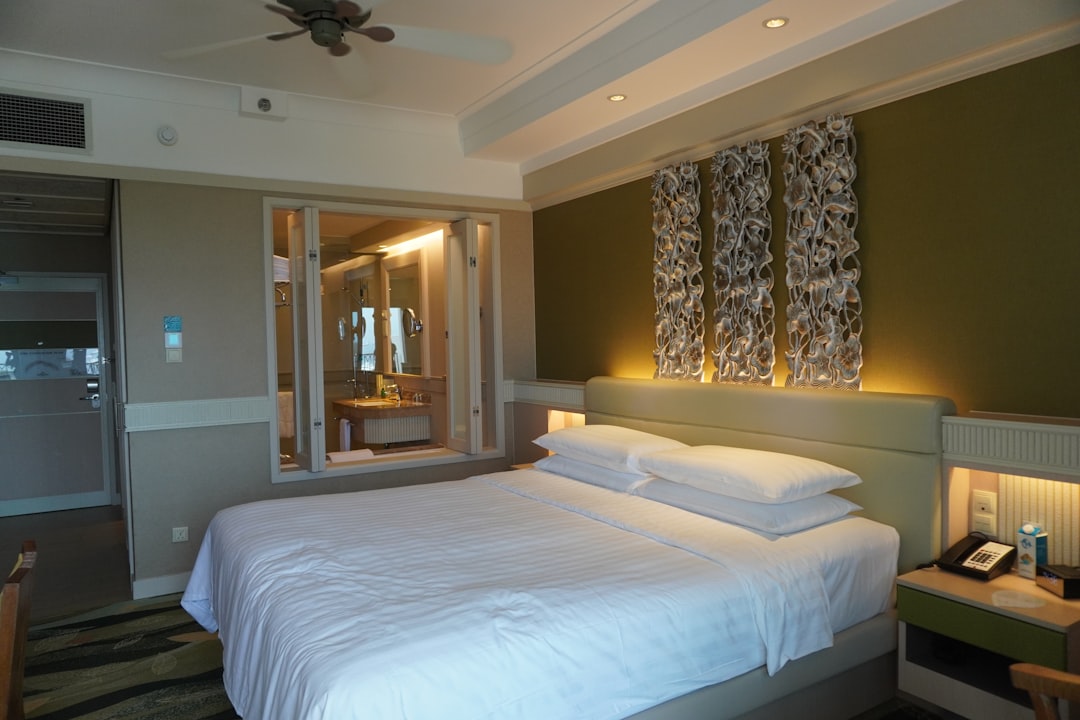
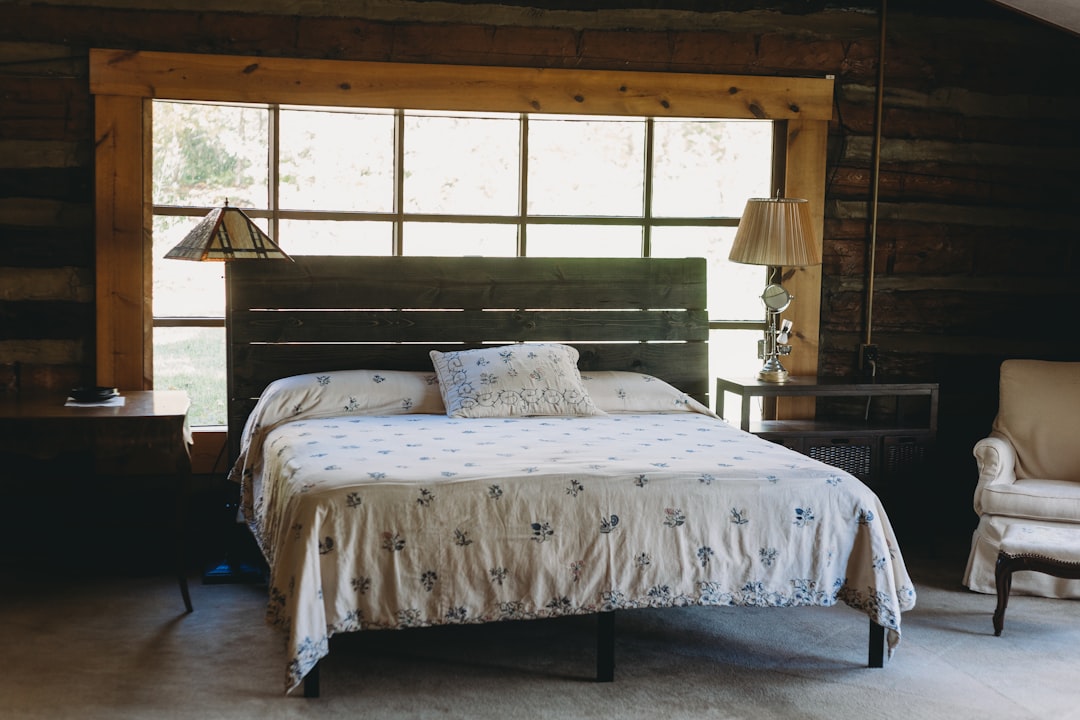
The warranty card says five years, but the wood underneath decides whether you'll actually need it. In a typical HDB common bedroom—maybe a 12 sqm space where humidity sits around 80%—three common timbers will tell very different stories over that same period. Rubberwood, kiln-dried and often labelled as an affordable hardwood, holds up decently against the damp air. It's a steady choice for a queen frame supporting two adults, showing minimal movement if the room's ventilation is decent. But its lifespan feels capped; after five years of daily use, you might start noticing a slight softening at the joints, a gentle reminder that it's a practical, not permanent, solution.
Mango wood brings a warmer aesthetic, but its response to load and climate is less predictable. In our conditions, it can develop subtle warping over time, especially if the bed sits against a wall that gets less air circulation. The grain is beautiful, but it's not as dense as traditional hardwoods. For a couple, a solid mango wood queen might begin to show a faint creak or a slight dip in the centre slats around the four-year mark—not a failure, but a sign it's working harder than it looks.
Then there's solid teak. The price tag is higher, but that's because the material grade is fundamentally different. Teak's natural oils resist humidity almost entirely, and its density handles the constant weight of a 152 by 190cm queen bed without complaint. Over five years in that compact room, a well-made teak frame won't just survive; it'll settle into a quiet, immovable presence. This is why warranties often track material grade, not just cost. A ten-year guarantee on a rubberwood frame is a promise against manufacturing flaws, while a similar term on teak is a bet on the wood itself—one the wood usually wins. The only time you might skip the premium timber is if you're certain this bed is a stepping stone, a piece you plan to replace when upgrading to a larger space in a few years. For anything meant to last, the species is the real warranty.
Choosing the correct bed frame size is critical for Singapore's compact bedrooms. A Queen-size frame at 152cm wide fits most HDB master bedrooms, leaving the recommended 60cm clearance on the exit side. Always measure your room's pathway, as the HDB lift door—typically 90cm wide—is often the tightest access point. Consider a Super Single for common bedrooms, which average around 12 square metres.
That warranty card isn't just a slip of paper—it’s your leverage for the next five years. Before you sign, you need to verify three things that most buyers overlook. First, confirm the exact frame model written on the document matches what you bought. Showroom tags can be generic, and a vague description like "Queen wooden bed" won't help if a specific component fails. Get the official product code noted down.
Next, ask outright if coverage includes mattress-induced indentations. A heavy mattress sitting on a wooden slat system for years can cause sagging or marks, and many warranties treat that as normal wear, not a defect. You want clarity on whether they'll address it if the support structure weakens. Don't assume; get it stated.
Finally, photograph the fully assembled frame in your specific room. Capture the entire setup, including how it sits on your floor and any nearby furniture. This creates a dated record of the correct installation and your room's conditions—useful if later there's a dispute about assembly errors or environmental damage. One quick snap from a few angles can save a lot of back-and-forth later.
Also, check the retailer's service centre location relative to your HDB town. If you're in Bedok and their only workshop is in Joo Seng, consider whether you're willing to manage logistics for a potential repair. Distance adds hassle and sometimes cost. The only time I'd skip this step is if the warranty clearly offers a doorstep repair service for your area—then location matters less. Otherwise, knowing where support physically exists is part of judging the warranty's real value.